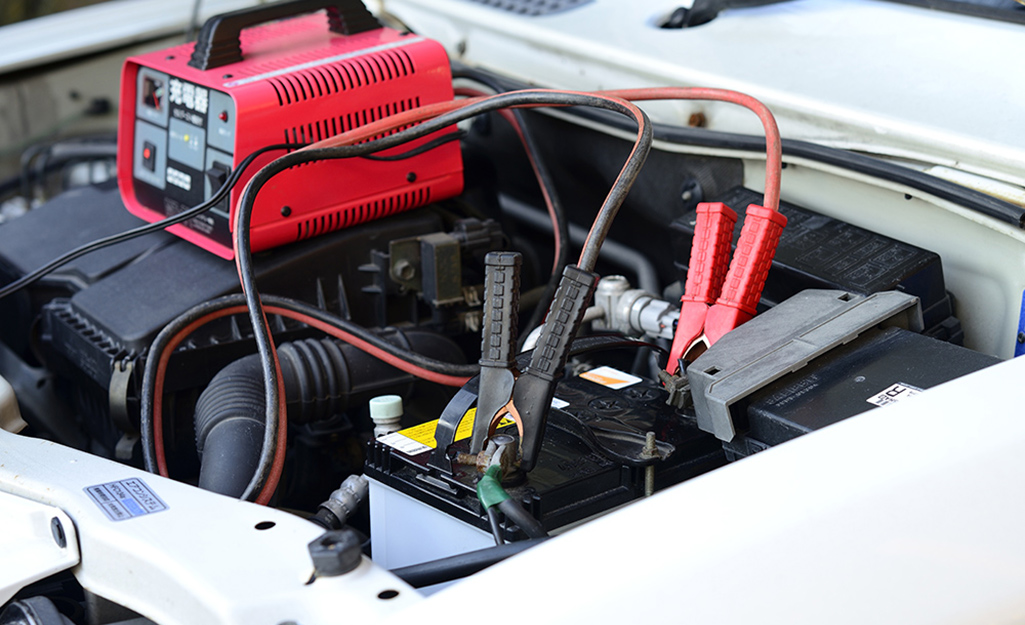
Can You Charge A Battery While Connected To Car
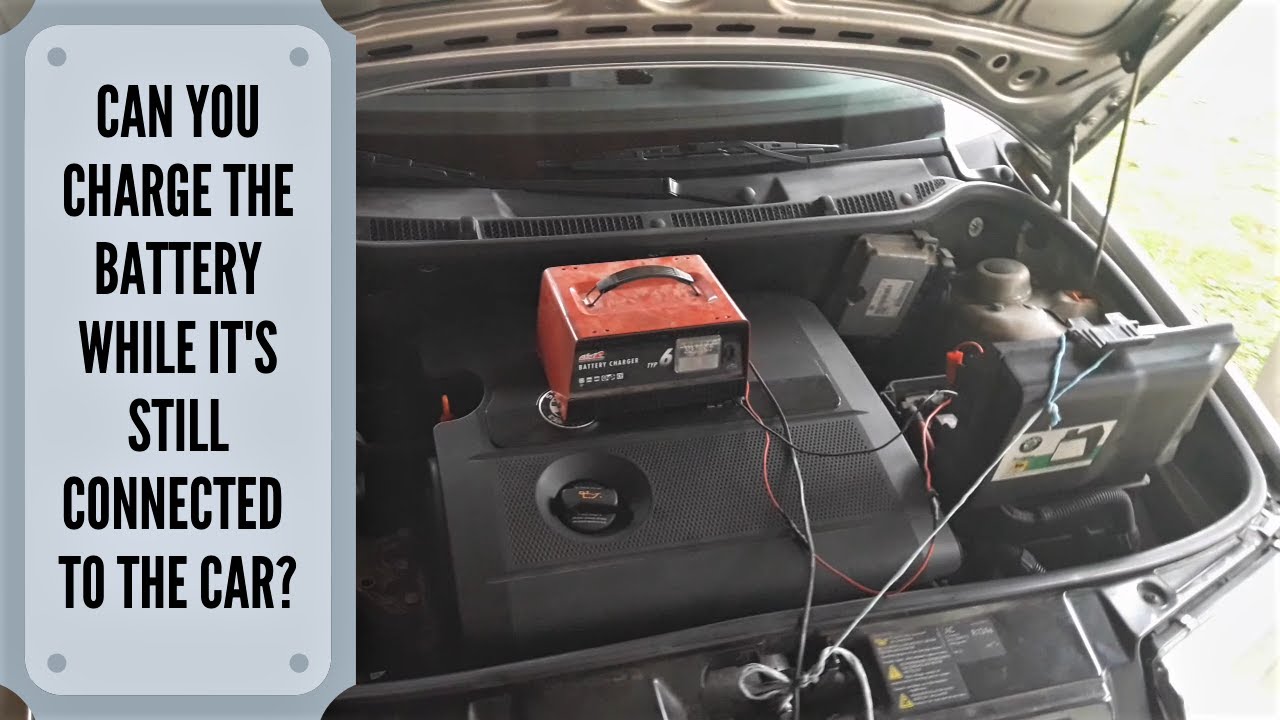
Okay, let's talk car batteries. Specifically, can you give your trusty chariot's power source a little juice-up while it's still nestled snugly in your vehicle? It's a question that's probably crossed your mind during a particularly brutal winter or after accidentally leaving your headlights on (we've all been there!).
The short answer? Yes, you can charge a car battery while it's connected to the car. But, as with most things in life, there are a few nuances and considerations to keep in mind. Think of it like trying to bake a soufflé – technically anyone can do it, but success hinges on a little know-how.
The Upsides: Convenience and Prevention
The biggest advantage of charging your battery while it's still connected is sheer convenience. No wrestling with heavy batteries, no disconnecting cables, and no risk of accidentally shorting something out. It's like ordering takeout instead of cooking – less hassle, more Netflix time. Plus, maintaining a healthy charge helps prevent those dreaded dead-battery scenarios, especially during periods of infrequent driving.
Must Read
Ever heard the saying, "An ounce of prevention is worth a pound of cure?" It's definitely applicable here. A proactively charged battery is far less likely to leave you stranded in a parking lot, humming the intro to "Bohemian Rhapsody" while waiting for roadside assistance (trust me, not a good karaoke moment).
The Downsides: Potential Risks and Considerations
While convenient, charging a connected battery isn’t without its potential pitfalls. The biggest concern revolves around voltage spikes. Some older or less sophisticated chargers can send surges of electricity through your car's electrical system, potentially damaging sensitive components like the ECU (Engine Control Unit) or other electronic modules. Think of it like a power surge frying your favorite gaming console – not fun.

Tip #1: Invest in a smart charger. These chargers are designed to deliver a controlled and regulated charge, minimizing the risk of voltage spikes. They often feature automatic shut-off functions and can even detect the battery's charge level to optimize the charging process. It's like having a personal battery concierge!
Another consideration is ventilation. Charging a battery can release small amounts of hydrogen gas, which is flammable. Make sure you're charging in a well-ventilated area, like your garage with the door open or outdoors. Think of it as letting the genie out of the bottle – you need to give it some breathing room.
Tip #2: Always check your car's owner's manual. Some manufacturers may have specific recommendations or warnings regarding charging the battery while connected. It’s like reading the fine print before signing a contract – better safe than sorry!
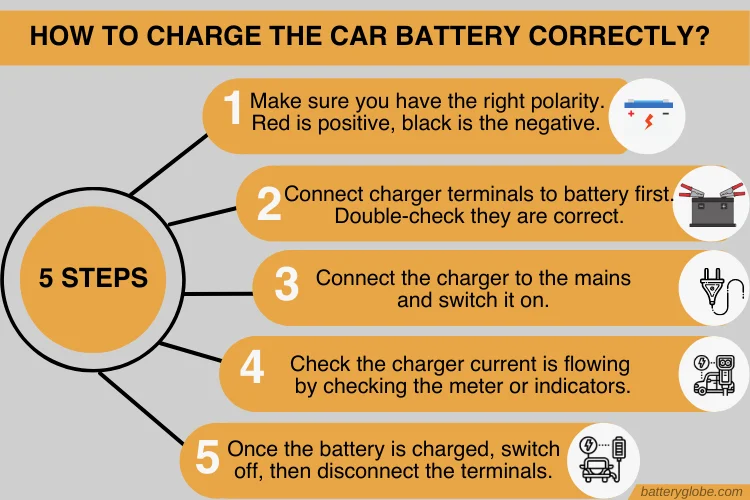
How To Do It Right: A Step-by-Step Guide
Alright, so you've decided to go ahead and charge your connected battery. Here's a quick guide to doing it safely and effectively:
- Choose the right charger: A smart charger with automatic shut-off is your best bet.
- Connect the charger: Attach the positive (red) clamp to the positive terminal and the negative (black) clamp to the negative terminal. Make sure the connections are secure.
- Set the charging parameters: Select the appropriate voltage (usually 12V) and charging rate (amps) based on your battery's specifications. Consult your charger's manual for guidance.
- Monitor the charging process: Keep an eye on the charger's display to ensure it's functioning properly.
- Disconnect when finished: Once the battery is fully charged, disconnect the charger in the reverse order you connected it.
Modern Cars, Modern Problems (and Solutions)
Modern cars, with their complex electronic systems, are generally more robust than their older counterparts. However, that doesn't mean you should throw caution to the wind. The key is to use a charger that's specifically designed for modern vehicles. These chargers often communicate with the car's electrical system to ensure a safe and efficient charging process.

Tip #3: Consider a trickle charger. These low-amperage chargers are ideal for maintaining a battery's charge over extended periods, especially if you don't drive your car regularly. It's like putting your battery on a slow drip of life-sustaining energy.
Final Thoughts: A Charged Life
Charging a car battery while connected to the car is a perfectly viable option, provided you take the necessary precautions and use the right equipment. It’s a small act of self-reliance that can save you from unexpected breakdowns and keep your daily life running smoothly.
In the grand scheme of things, a healthy car battery is just one small component of a well-managed life. But it's a reminder that taking care of the little things can often prevent bigger problems down the road. So, keep your battery charged, your tires inflated, and your spirits high. After all, life is a journey, not a destination – and you don’t want to be stranded on the side of the road.