
Can U Be Struck By Lightning In A House

Picture this: a wild thunderstorm rages outside. Lightning flashes, thunder rumbles, and the rain pours down like a waterfall. You're snug inside your home, perhaps sipping a warm drink, feeling perfectly safe from the tempest.
But then, a mischievous thought might zap through your mind: could I actually be struck by lightning right here, in my living room? It’s a question that sparks curiosity, a little bit of fear, and a whole lot of dramatic imagination.
This isn't just a silly worry; it's a topic that fascinates us. The idea of lightning, that raw, untamed power from the sky, somehow breaching our domestic fortress is inherently thrilling and a little bit spooky.
Must Read
The Mighty Lightning Bolt: An Uninvited Guest?
Lightning is truly nature's most spectacular light show. It's a colossal electrical discharge, incredibly powerful, seeking the quickest path to the ground.
When we see those brilliant streaks across the sky, it's a reminder of just how much energy is up there. It's a force that commands respect and, let's be honest, a good deal of awe.
Our homes, with their sturdy walls and roofs, generally feel like the ultimate sanctuary. They're designed to keep the outside, well, outside.
"Surely, a house is an unbreakable shield against something as powerful as a lightning bolt!"
This is the common wisdom, and mostly, it's absolutely true. Modern homes are remarkably safe havens during a storm, thanks to some clever design and basic physics.
Your Home: A Silent Protector
Think of your house as a giant, protective shell. It's filled with things that lightning loves to hit: tall points, metal, and pathways to the earth.
But here's the cool part: your home often acts as a giant
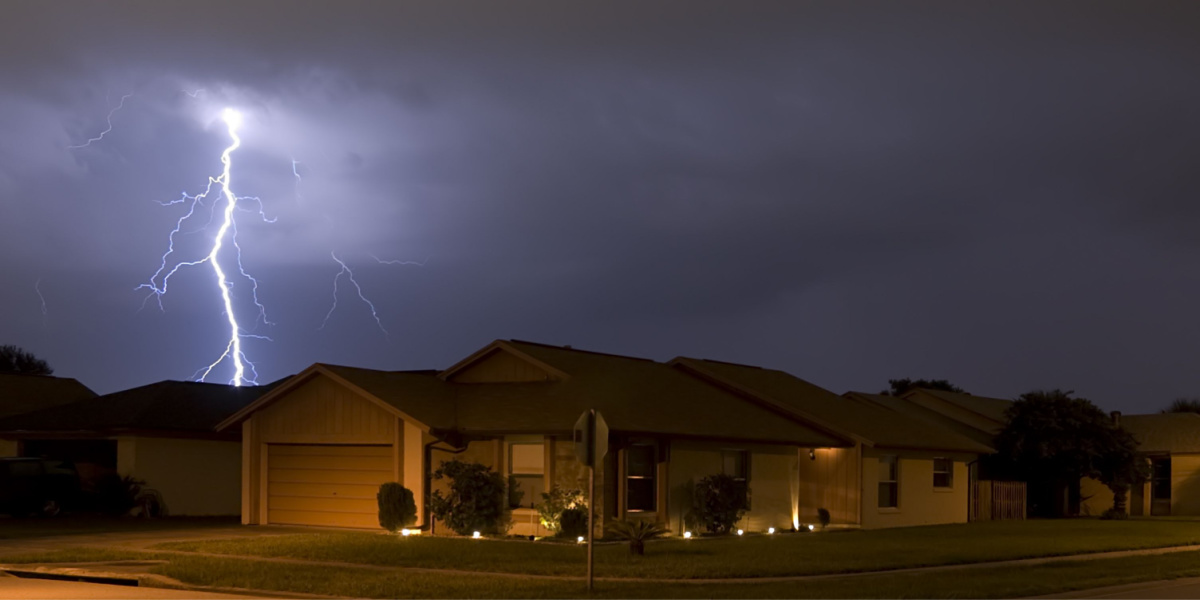
The electrical wiring, plumbing, and even the reinforcing bars in concrete can all serve as conduits. They offer a much easier route for electricity to reach the ground than zapping through a human body.
So, your house is quietly doing its job, redirecting that incredible energy. It's like having an invisible superhero working hard to keep you safe.
When Lightning Gets "Inside": The Rare Sneak Attack
Now, for the thrilling part: can lightning truly get to you indoors? The short answer is, it's
We're talking about odds that make winning the lottery look like a daily occurrence. But the sheer possibility is what makes it so fascinating to imagine!
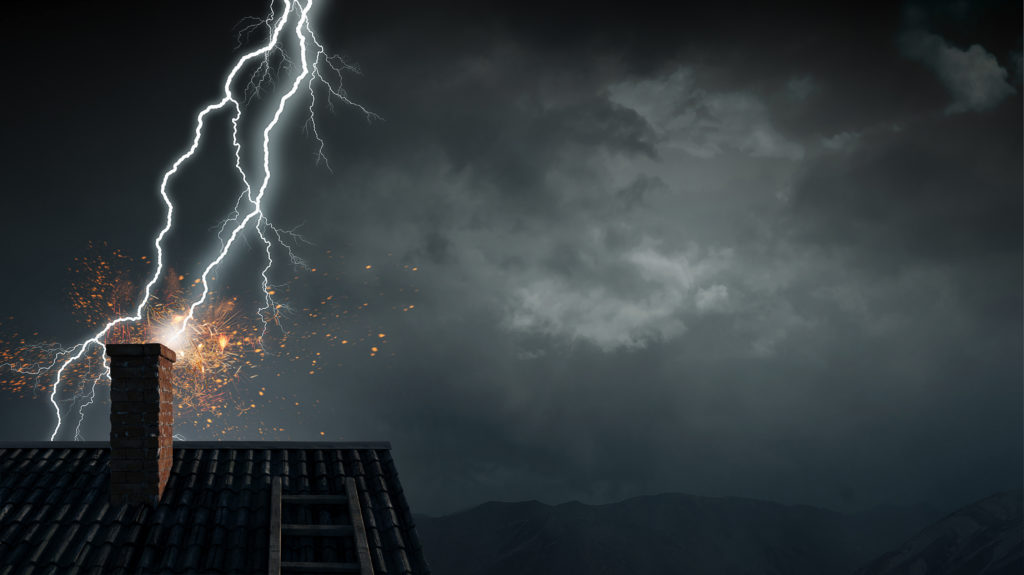
Most indoor lightning injuries happen indirectly. This means you're not getting a direct hit from the sky. Instead, the current makes its way inside through conductive materials.
Imagine the lightning striking your house. Instead of going straight to the ground, a portion of that electrical energy might "jump" from a highly conductive pathway to another nearby object. This is called a
It's like electricity taking a shortcut, choosing the path of least resistance. And sometimes, that shortcut might lead a little too close to where you are.
The "Don't Touch That!" List During a Storm
So, what are these sneaky pathways lightning might exploit? Think about anything that connects directly to the outside world or to your home's electrical system.
Old-school landline phones are a classic example. If lightning strikes a phone line, that current can travel right through it. So, during a storm, it's best to put down that receiver!
Plumbing is another big one. Metal pipes are excellent conductors. So, taking a shower, washing dishes, or even just touching a faucet during a severe storm might, in the most extreme cases, put you at risk.
It's why experts often advise against bathing or showering when lightning is active. It's a small precaution, but it adds to the mystique of lightning's reach.
Anything plugged into an electrical outlet can also be a pathway. Power surges from lightning strikes are a real danger to electronics. Your beloved TV or computer could become an unwilling conductor.
This isn't about you getting zapped, usually. It's more about your electronics taking the hit. But if you're holding a damaged appliance that suddenly surges, then the risk becomes a little more personal.
Staying away from windows and doors is also a good idea. While these aren't usually conductors, a direct strike very close to a window could cause glass to shatter or create dangerous projectiles.

It's all about minimizing potential contact points. Think of it as a fun, low-stakes game of "lightning dodgeball" within your own home.
Why We're So Captivated by Indoor Lightning
The allure of this "can it happen?" question stems from our primal respect for nature's raw power. Lightning is majestic, dangerous, and utterly unpredictable.
The thought of it somehow finding its way into our safe, predictable indoor spaces adds a thrilling layer of drama. It's like a plot twist in a suspenseful movie.
We build these incredible structures, our homes, to shelter us from everything. So, the idea of an external force, especially one as magnificent as lightning, breaching that safety barrier is both terrifying and utterly compelling.
It taps into a deep-seated human curiosity about the boundaries between safety and danger, between the wild outside and our domesticated indoors.
The rarity of such an event only adds to its mystique. It's like the legend of a hidden monster – you know it's probably not real, but the story is too good not to tell.
Ultimately, it’s a testament to the sheer, untamed power of nature that even within our walls, we can't completely forget about it.
The Takeaway: Mostly Safe, Always Respectful
So, can you be struck by lightning in a house? Technically, yes, in extremely rare, specific circumstances involving conductive paths.
But realistically? Your chances are astonishingly low. Your house is a fantastic protector, a fortress against the storm's fury.
The most common danger from lightning during a storm is to your electronics and perhaps a risk of fire, not a direct strike to you inside.
However, the question itself, and the precautions it inspires, keep us engaged with the awesome power of thunderstorms. It's a reminder to respect nature, even from the comfort of our couches.
Next time a storm rolls in, you can enjoy the spectacle from your safe haven. Just remember to maybe unplug your sensitive gadgets and put off that shower until the thunder passes.
It's not about being afraid; it's about appreciating the incredible forces at play and marveling at the strength of both nature and the homes we build.
So, sit back, relax, and let the storm put on its show. You're almost certainly safe. But hey, it's fun to imagine, isn't it?