
Can Niacin Help Pass Drug Test

Okay, let's talk about something a little... spicy. We've all heard whispers, rumors, maybe even outright boasts about ways to "beat the system," especially when it comes to drug tests. And one name that pops up in these hushed conversations? Niacin. But does it actually work? Is it a magic bullet, or just another internet myth? Let's dive in.
Think of it like this: Niacin is like that one friend who always has a "life hack" for everything. You're never quite sure if their advice is genius or completely bonkers. This is the same feeling people have about using Niacin to pass a drug test. We'll see if the "hack" works.
What IS Niacin Anyway?
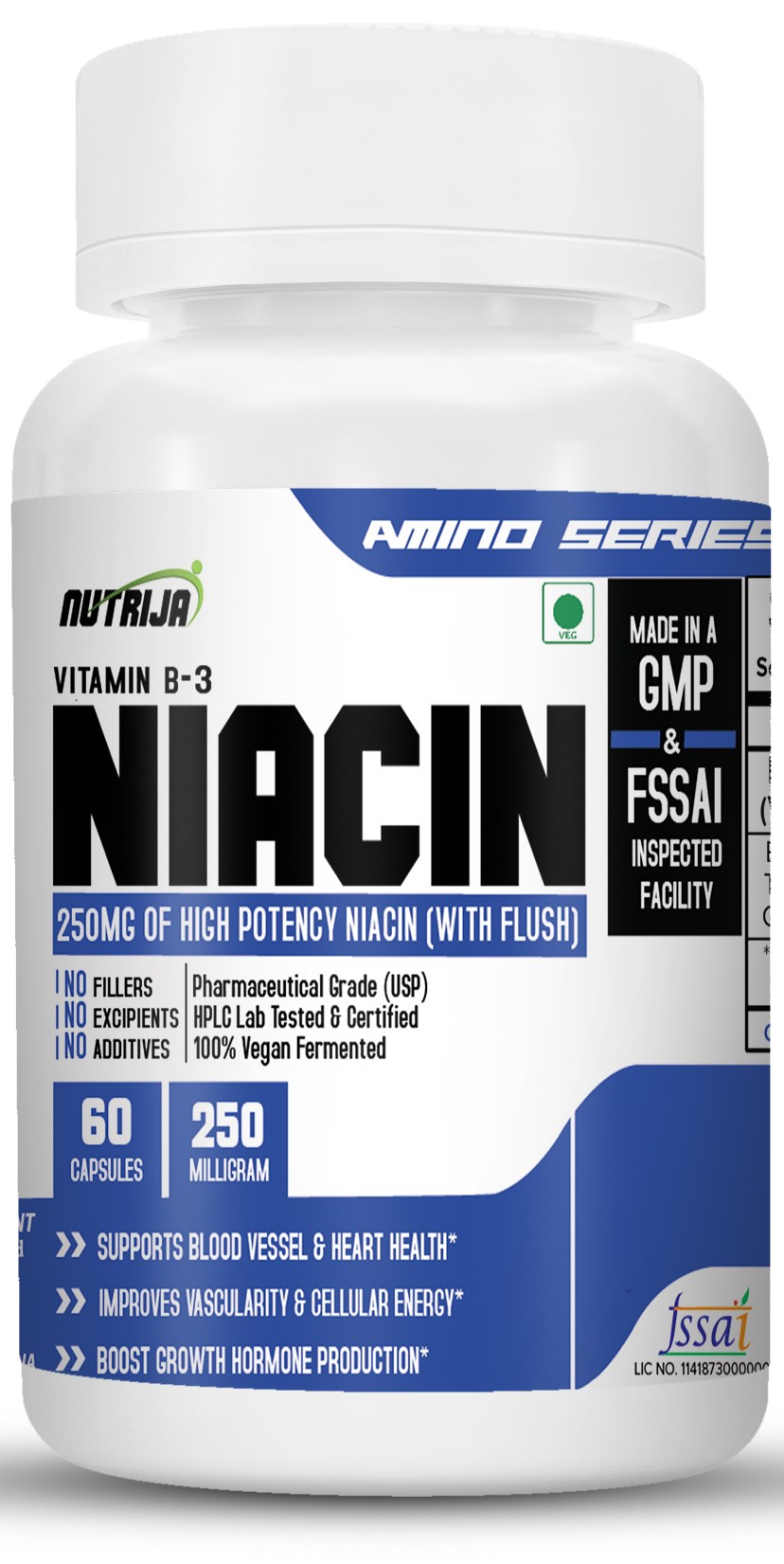
First things first, what is Niacin? Simply put, it's a form of vitamin B3. You probably get it in your diet from foods like chicken, tuna, and whole grains. It plays a crucial role in lots of bodily functions, like helping your body turn food into energy. It's essential for a healthy nervous system and digestive system, too.
Must Read
So, it's good for you, right? Absolutely! But healthy vitamin and magic cheat code are two very different things.
The Rumor Mill: Niacin as a Detoxifier
The idea behind the Niacin-for-drug-test strategy goes something like this: Niacin is supposed to help your body detoxify faster. The theory is that it speeds up your metabolism, helps you sweat more, and therefore, helps you eliminate drug metabolites from your system more quickly.

Think of your body like a busy city, and the drug metabolites are like little unwanted tourists. Niacin, in this scenario, is supposed to be the enthusiastic tour guide, ushering them all to the airport (aka, out of your body) at warp speed.
Does the Science Back it Up?
Here's where things get tricky. While Niacin does play a role in metabolism, there's very little scientific evidence to support the claim that it can reliably help you pass a drug test. Most of the "evidence" is anecdotal – stories from people who swear it worked for them. But anecdotes aren't science, are they?
Imagine you're trying to build a bridge. Anecdotes are like hearing a story about someone who crossed a river on a fallen log. It might work, but you wouldn't bet your life on it, right? You need solid engineering principles and proven materials. That's what scientific evidence is. It's solid, dependable, and can be applied consistently.
The Potential Risks
Even more important than the lack of proof is the potential for serious side effects. Taking high doses of Niacin can cause:
- Skin flushing: You might turn bright red and feel like you're on fire. Not fun.
- Itching: Intense itching that drives you crazy.
- Nausea and vomiting: Your stomach won't be happy.
- Liver damage: In rare but serious cases, high doses of Niacin can damage your liver.
Basically, you're risking some pretty unpleasant (and potentially dangerous) side effects for something that probably won't even work! Is that really worth it?
Dilution is the Real Key, Not Niacin
Often, what people think is Niacin working is actually the result of dilution. To avoid detection of drug metabolites, individuals consume excessive amounts of water to dilute their urine samples before testing. The color of the urine is very clear and can raise suspicion by the lab staff, then large doses of Niacin may be used to turn the urine to normal urine color.
Remember, labs are getting smarter all the time. They test for creatinine levels in urine to detect dilution. So, attempting dilution on it's own may not work.
So, What's the Verdict?
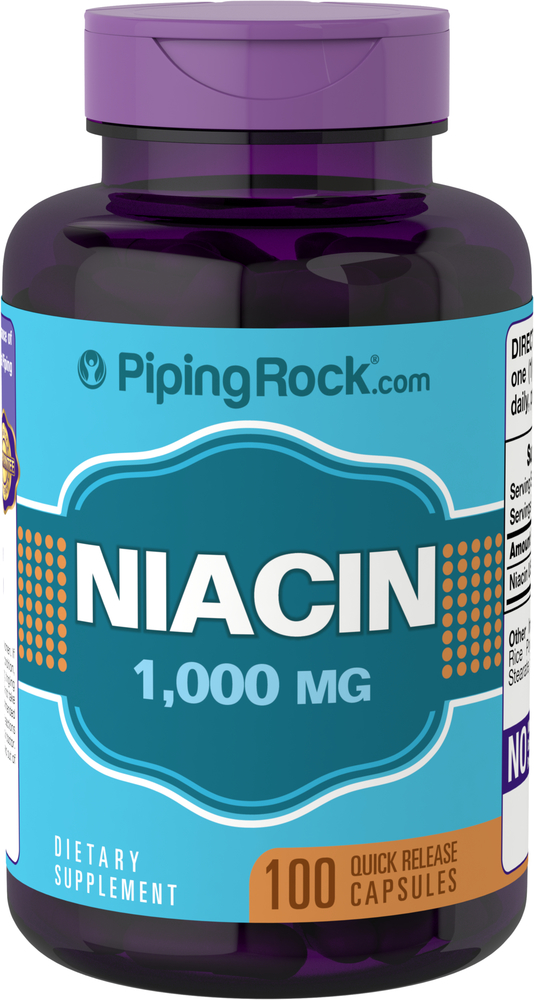
The bottom line? Using Niacin to try and pass a drug test is a risky gamble. There's very little scientific evidence to support its effectiveness, and you could end up with some nasty side effects. It's simply not worth the risk.
Think of it like trying to win the lottery. Sure, someone wins eventually, but the odds are heavily stacked against you. And you're more likely to lose money (or, in this case, your health) than to come out ahead.
Ultimately, the best way to pass a drug test is to abstain from drug use. It's the safest, most reliable, and healthiest option. But if that's not an option for you, explore other, more evidence-based alternatives – or, better yet, consult with a medical professional. Stay safe and stay informed!