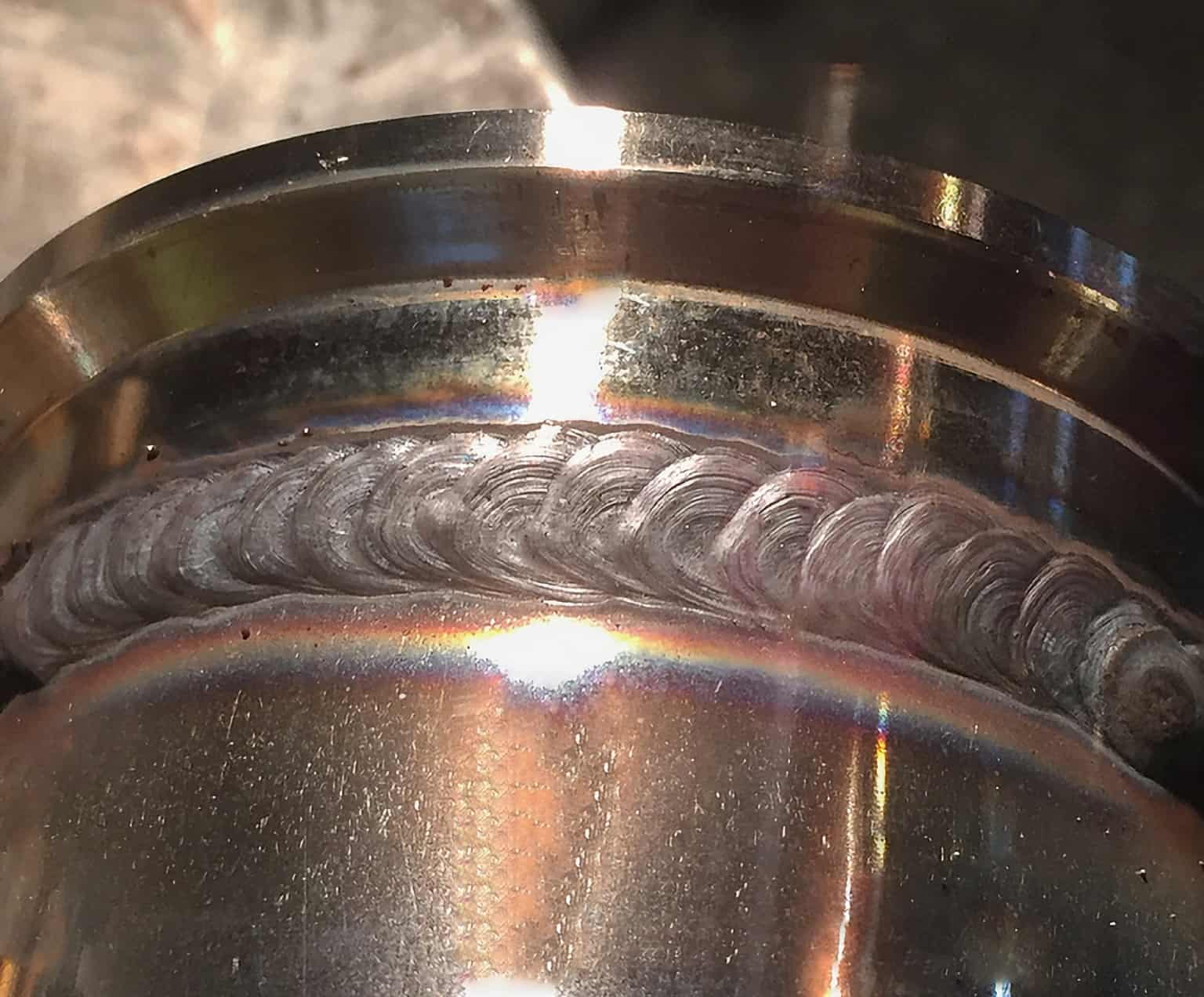
Can I Weld Stainless Steel With A Mig Welder
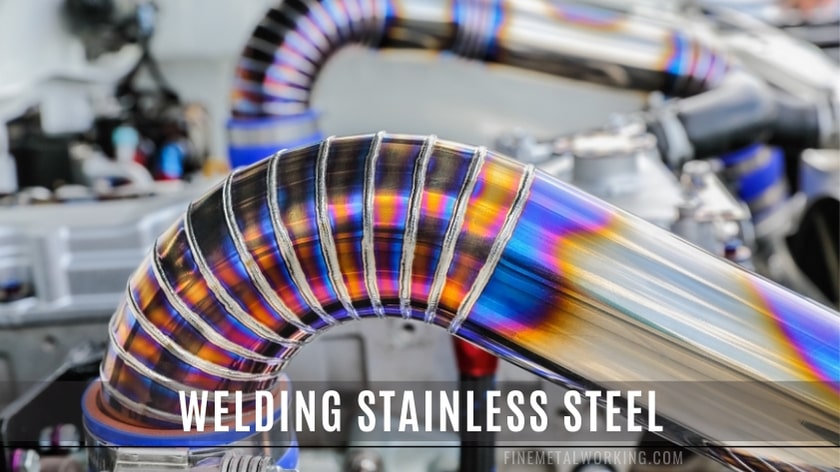
Ever looked at that shiny stainless steel fridge in your kitchen and wondered how it was put together? Or maybe you’re planning a cool DIY project involving stainless steel, like building a sleek garden planter or fixing that wobbly stainless steel handrail. The question then pops up: Can I weld this stuff with my trusty MIG welder? Let's dive in!
The Short Answer: Yes, But...
Okay, let's cut to the chase. Yes, you can weld stainless steel with a MIG welder. But, just like trying to bake a cake without reading the recipe, there are a few things you need to know to avoid a crumbly, burnt mess... or in this case, a weak, ugly weld. Think of it as using the right ingredients and following the right steps to achieve a delicious result. In our case, a strong, beautiful weld.
Why Bother Welding Stainless Steel Anyway?
Why should you even care about welding stainless steel? Well, stainless steel is everywhere! From kitchen sinks and cookware to car exhaust systems and architectural structures, it's a super versatile material. Its resistance to corrosion and its strength make it an excellent choice for a wide range of applications. Imagine building a custom stainless steel barbecue grill that will last for years, or repairing a stainless steel boat railing that's seen better days. Knowing how to weld stainless steel opens up a whole new world of possibilities for DIY projects and repairs around your home.
Must Read
Plus, let’s be honest, there's a certain satisfaction in fixing something yourself rather than shelling out big bucks to hire a professional. Think of the bragging rights! "Yeah, I welded that myself!" You'll be the talk of the neighborhood barbecue.
The "But" Explained: What You Need to Know
So, what’s the "but" all about? Well, welding stainless steel isn’t exactly the same as welding mild steel. You need to consider a few key differences to ensure a strong, clean weld.
1. The Right Gas is Key
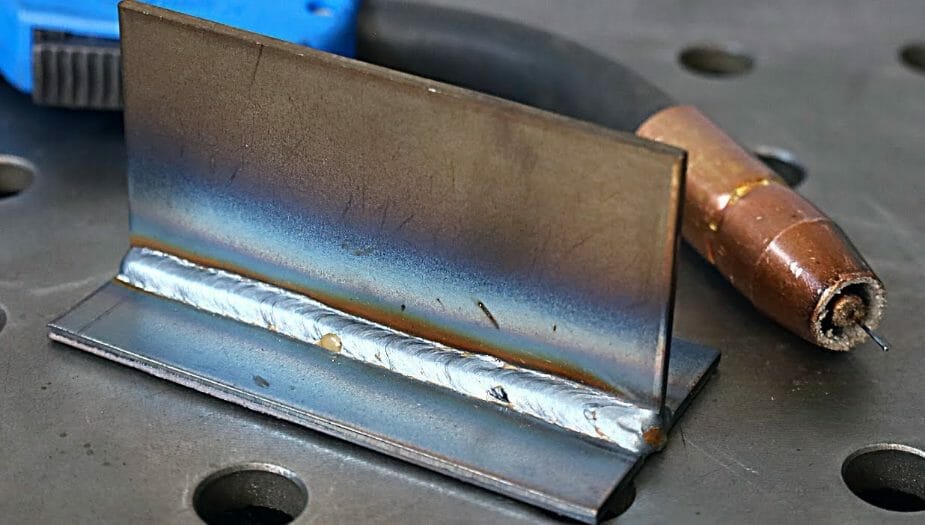
Think of the shielding gas as the unsung hero of the welding process. It protects the molten weld pool from the atmosphere, preventing contamination and ensuring a strong bond. For stainless steel, you typically want to use a mixture of argon and carbon dioxide (CO2). A common mix is 98% Argon and 2% CO2. Argon-rich mixtures provide a smoother arc and better weld appearance. Using the wrong gas can lead to porous, weak welds that are susceptible to corrosion. Imagine using water instead of milk to make mac and cheese – it just wouldn't be the same!
2. Choose Your Wire Wisely
The filler wire is another crucial component. You’ll want to use a stainless steel MIG wire specifically designed for the type of stainless steel you're welding. Common choices include 308L and 316L. Using the wrong wire can introduce impurities into the weld, weakening it and making it prone to cracking. It’s like using regular flour instead of self-rising flour for a cake - it just won’t rise properly.
3. Amperage Adjustments
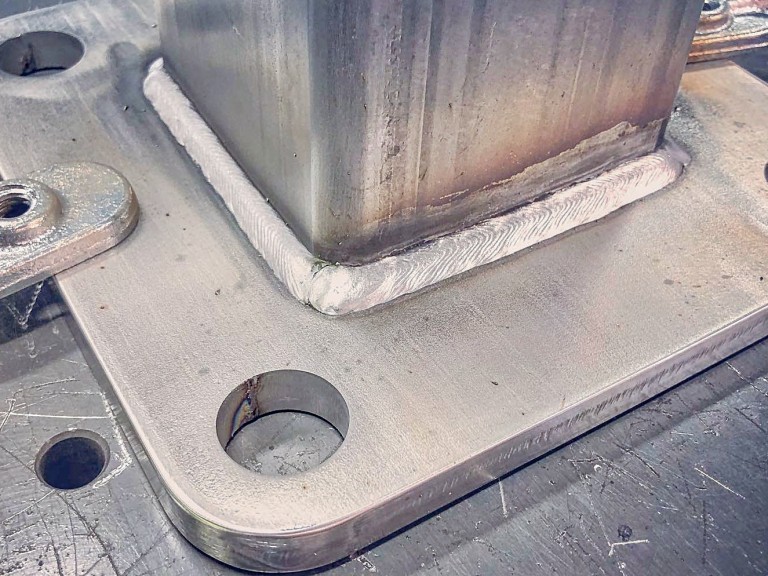
Stainless steel doesn't dissipate heat as well as mild steel. This means you'll generally need to use a lower amperage setting to avoid overheating the metal and causing distortion or burn-through. Think of it like cooking on a lower heat to prevent burning your food. Start with a lower setting and gradually increase it until you find the sweet spot.
4. Cleanliness is Next to Weldliness
Seriously! Stainless steel is particularly sensitive to contamination. Make sure the metal is absolutely clean before you start welding. Use a stainless steel wire brush to remove any rust, scale, or grease. Even a tiny bit of contamination can weaken the weld. Imagine trying to paint a wall without cleaning it first – the paint won't adhere properly and will eventually peel.

5. Technique Matters
Use a consistent travel speed and a steady hand to create a smooth, uniform weld. Avoid long, continuous welds, as this can cause excessive heat buildup. Instead, use a series of short, overlapping welds. Think of it like painting a fence – you want to apply even strokes to ensure a consistent finish.
Don't Be Afraid to Experiment (Safely!)
The best way to learn how to weld stainless steel is to practice! Start with some scrap pieces and experiment with different settings and techniques. Remember to always wear the proper safety gear, including a welding helmet, gloves, and a respirator. Welding can be dangerous if you don't take the necessary precautions.
Welding stainless steel with a MIG welder might seem intimidating at first, but with the right knowledge and a little practice, you can master this skill and unlock a whole new world of DIY possibilities. So go ahead, grab your MIG welder, and start creating something amazing!