
Can I Weld Cast Iron With Mig

Alright, let’s talk about something many of us have pondered while staring at a busted cast iron manifold, a cracked grill grate, or maybe even Grandma’s prized, but now broken, doorstop. You’re standing there, MIG welder hums gently in the corner, and the big question floats in the air like dust motes in a sunbeam: “Can I weld cast iron with this thing?”
It’s a fair question, really. Our trusty MIG welder is usually the hero of the garage. Need to fix a rusty fence post? MIG. Cobble together a wonky shelf? MIG. It’s like the Swiss Army knife of home welding – versatile, relatively easy to use, and always there when you need it. But cast iron? That’s a whole different beast, my friend.
The Grumpy Old Man of Metals
Cast iron is… well, it’s special. Think of it as the grumpy old man of the metal world. It’s been around forever, it’s tough in its own way, but it absolutely hates change. Especially sudden, hot change. It’s full of carbon, much more than your usual mild steel. We’re talking 2-4% carbon here, which makes it incredibly strong and hard, but also, crucially, brittle.
Must Read
Trying to weld it with regular MIG wire is often like trying to force a square peg into a round hole with a sledgehammer. You might get it in, but something’s probably gonna crack. And that something is usually your cast iron piece, right where you least want it.
Why the Fuss? The Crack-Up Comedy
The main villain in this story is something called thermal shock. Imagine you're cozied up in a hot bath, and someone suddenly dumps a bucket of ice water on you. You'd probably seize up, right? Maybe even crack a few jokes (or actual bones, if it were cold enough!). Cast iron reacts similarly to rapid heating and cooling. The carbon content prevents the metal from stretching and flexing gracefully like steel. Instead, it just... snaps.

You’ll often see these hairline cracks appear after the weld cools, mocking your valiant efforts. It’s like trying to put a Band-Aid on a wound that keeps reopening itself. Frustrating, to say the least.
So, Can You Actually Do It? (The Short Answer: Kinda)
Alright, let’s get down to brass tacks. Can your humble MIG welder join cast iron? The answer is a resounding… maybe, with significant caveats and a different approach. It's not going to be like buttering toast, that's for sure. It’s more like trying to perform delicate surgery with oven mitts on.
You can’t just grab your regular ER70S-6 mild steel wire and go to town. That’s a recipe for instant failure and maximum disappointment. You’ll end up with a weld that looks okay on the surface but is cracking faster than a cheap smartphone screen.
The Secret Sauce: Nickel Wire and Patience
If you're serious about trying this, you’re going to need a special ingredient: nickel welding wire. This stuff is specifically designed for welding cast iron. It’s like bringing in a mediator when two stubborn relatives are fighting – it helps bridge the gap without causing more drama. Nickel wire is softer and more ductile, allowing it to absorb some of that thermal stress that cast iron despises.
But even with nickel wire, it’s not a simple point-and-shoot operation. We need to trick that grumpy old cast iron into cooperating. Here's the plan:

- Pre-heat, Pre-heat, Pre-heat!
This is crucial. You wouldn't run a marathon without stretching, would you? Cast iron is the same. Gently warm the entire workpiece, or at least the area around the weld, to somewhere between 400-600°F (200-315°C). Use a rosebud torch or even a grill if it’s small enough. The goal is to reduce the temperature difference during welding, making the shock less… shocking. Think of it as getting the cast iron into a nice warm bath before the weld.
- Cleanliness is Next to Weldliness
Cast iron can be greasy, dirty, and generally a bit grubby. Grind it clean, wire brush it, make sure there’s no rust, paint, or gunk. Trying to weld over crud is like trying to paint a greasy wall – it just won't stick properly, and your weld will be full of nasty porosity.
- Short, Stitch Welds (Pecking Order)
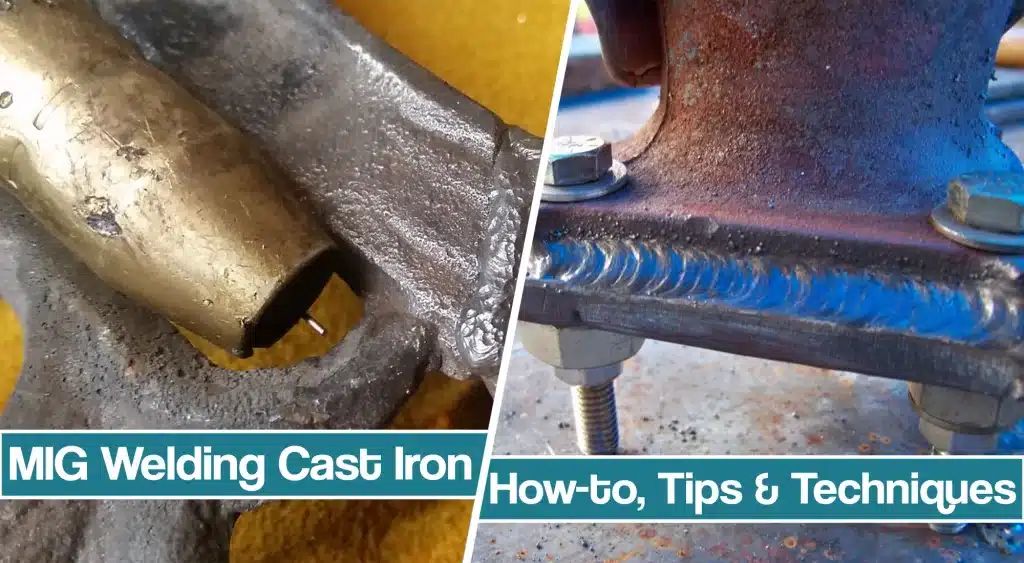
Don't try to lay down one long, continuous bead. Cast iron will absolutely revolt. Instead, think of it like sewing. Lay down a tiny, quarter-inch weld, then immediately peen it. What’s peening? It’s gently tapping the hot weld with a ball-peen hammer. This helps relieve internal stresses and prevents cracking. Then, let it cool a bit. Move to a different spot, lay another short bead, peen, cool. Keep jumping around, like you’re playing hopscotch, to prevent too much heat from building up in one spot.
How To MIG Weld Cast Iron - Techniques & Tips - Slow Cooling (The Zen Method)
Once you’re done welding, don’t just toss it on the concrete floor. That sudden chill will bring back all those pesky cracks. Instead, insulate it. Bury it in dry sand, cover it with a welding blanket, or even stick it in a warm oven that you slowly let cool down. The slower it cools, the happier your cast iron will be. Think of it as a long, gentle cool-down after a workout.
Expectations vs. Reality: It Won’t Be Pretty, But It Might Work
Let’s be honest: welding cast iron with MIG, even with all these precautions, isn’t going to give you those pristine, stacked-dime welds you see on YouTube. It's often more about functionality than aesthetics. You might get some porosity, it might not be perfectly smooth, but if you’ve followed the steps, you stand a decent chance of creating a serviceable repair.
It’s like patching up your favorite old pair of jeans. It might not look brand new, but it’s still your favorite, and now it’s got a bit more life in it. So, can you MIG weld cast iron? Yes, with the right wire, a lot of patience, and a healthy dose of respect for its grumpy nature. Give it a go – that satisfaction of saving a beloved, broken item is worth the effort!