Can I Use Lithium Batteries Instead Of Alkaline
We've all been there. Remote in hand, ready to binge-watch your favorite show, only to be greeted by the dreaded blinking red light of a dead battery. Or perhaps you're venturing out for a camping trip, relying on your trusty flashlight to guide your way through the darkness. Batteries, those unassuming little powerhouses, are the unsung heroes of our modern lives. They quietly enable countless devices, from our children's toys to crucial medical equipment, allowing us to stay connected, entertained, and safe.
The beauty of batteries lies in their convenience and portability. They liberate us from the constraints of power outlets, allowing us to use our devices practically anywhere. Think about the freedom a wireless mouse and keyboard provide, or the crucial role batteries play in emergency devices like smoke detectors and weather radios. They're the backbone of portable gaming consoles, essential for photographers wielding their cameras on location, and indispensable for musicians using wireless microphones on stage. In essence, batteries empower us to be more productive, creative, and prepared for whatever life throws our way.
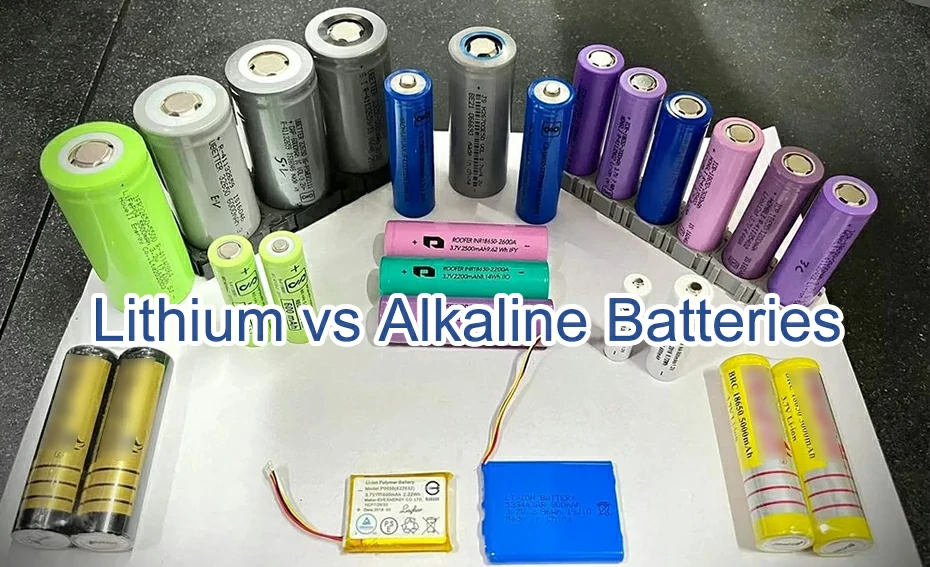
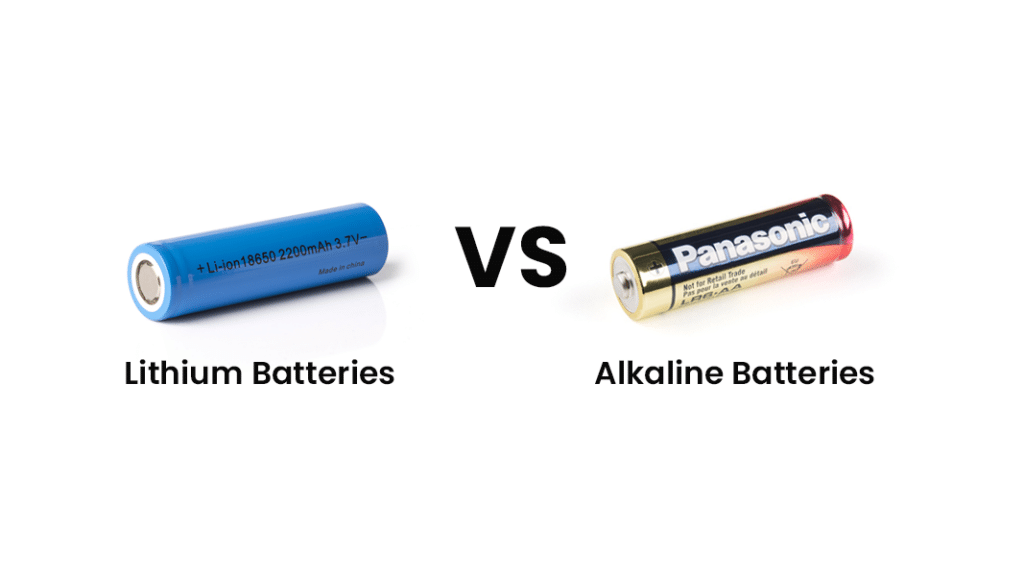
Now, the big question: Can you swap out those trusty alkaline batteries for lithium ones? The short answer is: generally, yes, but with important caveats. Lithium batteries offer a few compelling advantages. They often boast a significantly longer lifespan, meaning you'll replace them less frequently. This is especially beneficial for devices that drain batteries quickly, like digital cameras and high-powered flashlights. They also tend to perform better in extreme temperatures, making them a great choice for outdoor adventures in scorching heat or freezing cold.
Must Read
However, there are crucial considerations. First, voltage is key. Most alkaline batteries are 1.5 volts. While many lithium batteries also adhere to this standard, some might have a slightly different voltage. Always check the device's manual or battery compartment to ensure the voltage matches. Using a battery with a higher voltage than recommended could damage the device. Second, lithium batteries can be more expensive than their alkaline counterparts. Consider the long-term cost savings from reduced replacements versus the initial investment. Finally, some devices are specifically designed to only work with alkaline batteries. This is less common, but it's always wise to double-check.
So, how can you enjoy the benefits of batteries more effectively? Invest in rechargeable batteries. Not only are they environmentally friendly, reducing waste and saving you money in the long run, but they also provide a consistent power output. Consider using lithium-ion rechargeable batteries for high-drain devices and NiMH (Nickel-Metal Hydride) for lower-drain ones. Always use a reputable charger designed for the specific type of rechargeable battery. And, as a general rule, remove batteries from devices you won't be using for extended periods to prevent corrosion and potential damage. By understanding the nuances of battery technology, you can power your life more efficiently and enjoy the freedom and convenience that batteries provide.