
Can I Use 2 Wifi Extenders With 1 Router

Ever found yourself pacing around the house, phone in hand, trying to coax a decent Wi-Fi signal out of thin air? Or maybe you're stuck in a digital "dead zone" – that one spot where your internet just gives up the ghost? We've all been there, staring at the dreaded buffering wheel, wondering if our smart devices have suddenly forgotten how to be smart.
It’s a common modern-day struggle, like trying to find the perfect spot for your remote control or remembering where you put your keys. Your trusty Wi-Fi router, bless its heart, tries its best, but sometimes it just can’t reach every nook and cranny of your home. That’s where Wi-Fi extenders come into play, those little digital superheroes designed to boost your signal.
But here’s a question that often pops up in friendly tech chats: Can I use two Wi-Fi extenders with one router? It’s a good one, and the answer is a resounding, smile-inducing...
Must Read
Yes, You Absolutely Can!
Think of your main Wi-Fi router as the head chef in a busy kitchen, whipping up delicious internet data. Now, imagine your house is a sprawling restaurant with different dining rooms, a patio, and maybe even a basement lounge. One chef, no matter how good, can’t deliver every dish to every table perfectly. That’s where your Wi-Fi extenders come in – they’re like your dedicated, efficient servers.
You can have multiple servers, each taking orders (data) from the head chef (router) and delivering them to their specific tables (your devices in different areas). They don’t typically talk to each other; they all report directly to the main kitchen. So, if you have a big house, a multi-story home, or even an outdoor area you want to cover, two (or more!) extenders can be your best friends.
Why Would You Want to Do This? Let's Count the Ways!
Imagine this:

-
The Basement Movie Marathon: You've set up the ultimate home cinema in your basement, complete with comfy blankets and popcorn. But alas, the Wi-Fi signal from the upstairs router barely trickles down. Pop an extender downstairs, and suddenly, crisp 4K streaming is yours!
-
The Backyard BBQ Bash: You're hosting a summer cookout, music’s pumping, and everyone’s snapping photos. You want to share that hilarious grill-fail video instantly, but your phone keeps saying "no internet connection." An extender near your patio means seamless uploads and happy guests.
-
The Home Office (in the Attic): You've converted that cozy attic space into your dream remote workspace. Peace and quiet! But your video calls keep freezing. A dedicated extender up there ensures your boss never sees you pixelated again.
-
Battling Wi-Fi Vampires: Thick walls, large appliances (like that monster fridge!), or even certain types of insulation can act like Wi-Fi signal vampires, sucking the life out of your connection. Multiple extenders strategically placed can bypass these obstacles, creating an impenetrable fortress of connectivity.

How To Connect Two Routers On One Home Network wireless | WiFi Repeater
Using two extenders means you’re not just patching one dead spot; you’re building a comprehensive, digital blanket of awesome internet coverage across your entire home. It’s like having a digital sprinkler system, ensuring every corner gets its fair share of hydration!
A Few Friendly Pointers for Smooth Sailing
While using multiple extenders is generally a breeze, a few tips can help you avoid any tech tantrums:
1. Placement is Key (Like Real Estate!)
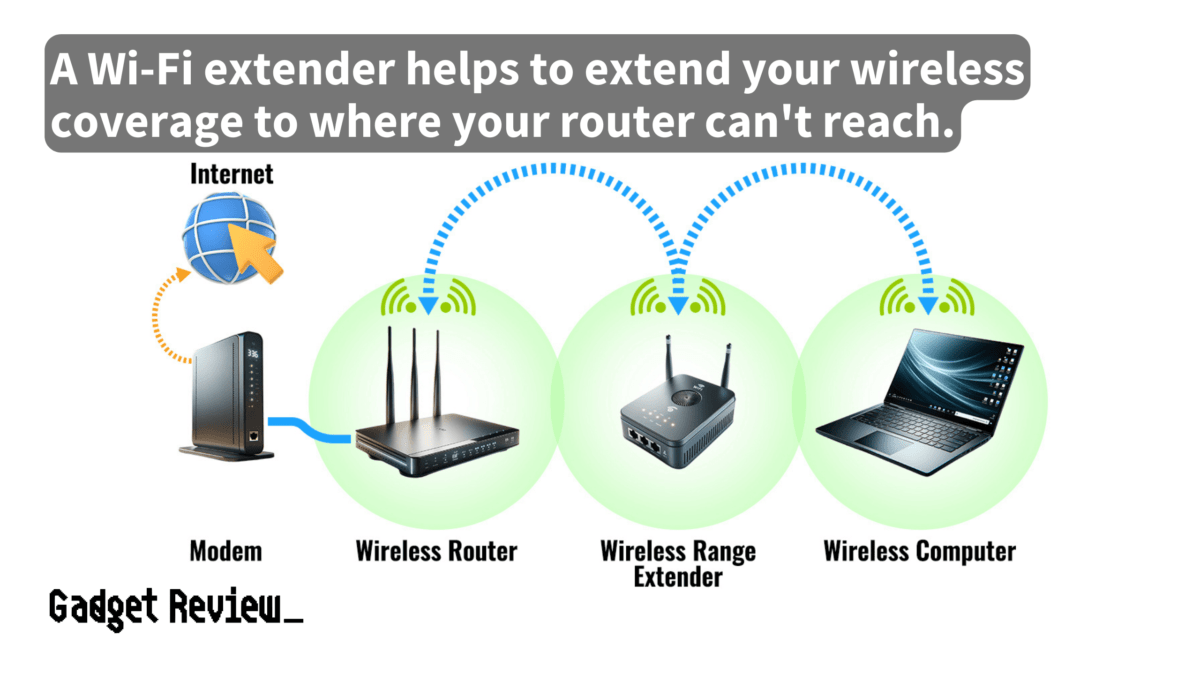
Don't just plug them in willy-nilly! For each extender, you want to find the sweet spot. This means putting it where it can still get a strong signal from your main router, but also close enough to the area you want to cover. Think of it like a digital relay race: each runner (extender) needs to pick up the baton (signal) cleanly before sprinting to their designated finish line. If an extender is too far from the router, it’s just repeating a weak signal, which isn’t much help.
2. Each Extender Talks Directly to the Router
This is important! Remember our chef and server analogy? Each server takes orders directly from the chef. You generally want your extenders to connect back to your main router, not to each other. This is called avoiding "daisy-chaining." If Extender A connects to the router, and then Extender B tries to connect to Extender A, you're essentially playing a game of digital "telephone." The signal can get weaker and slower with each jump. Keep it direct!
3. Name Your Networks (or Don't!)
When you set up extenders, you usually have a choice: either give them the same Wi-Fi network name (SSID) as your main router or give them unique names (e.g., "MyHome_2.4GHz_EXT1," "MyHome_5GHz_EXT2").
-
Same Name: Your devices should (theoretically) automatically switch to the strongest signal as you move around. This is often called "roaming" and can be super convenient, but sometimes devices get a little confused and cling to a weaker signal.
-
Different Names: You'll manually choose which network to connect to. This gives you more control but means a bit more effort. It's like having different doors to different rooms – you choose which one to enter.
4. Don't Crowd Them
Just like people, Wi-Fi signals need a little space. Don't put two extenders too close to each other, especially if they're covering overlapping areas. They might actually interfere with each other, leading to slower speeds rather than faster ones. Spread them out like thoughtful little signal gardeners!
5. Test, Test, Test!
Once everything's set up, take a few minutes to walk around your house with your phone or laptop. Use a speed test app (there are plenty of free ones!) to check your internet speeds in different areas. This will tell you if your extenders are doing their job and if you've found those optimal sweet spots.
Why Should You Care? (Beyond the Geek Factor)
In a nutshell? Because a happy Wi-Fi connection makes for a happy home. No more family squabbles over who's hogging the bandwidth. No more missed deadlines because your internet dropped during a crucial video call. No more frustrating pauses when you're just getting to the good part of your favorite show.
Having robust Wi-Fi everywhere simply makes life smoother. It allows you to truly enjoy your smart home devices, stream without a hitch, game without lag, and stay connected with the world – all without having to stand next to your router like it's a digital campfire. It’s about freedom, convenience, and saying goodbye to those pesky digital dead zones for good!
So go ahead, embrace the power of multiple extenders. Your devices (and your sanity) will thank you!