Can I Take L Tryptophan With Melatonin
Ever find yourself staring at the ceiling at 3 AM, desperately wishing for sleep to arrive? You're not alone! The quest for a good night's rest is a universal one, and that's why understanding the potential of natural sleep aids like L-tryptophan and melatonin is so fascinating. But can you combine these two popular supplements? Let's dive in and explore.
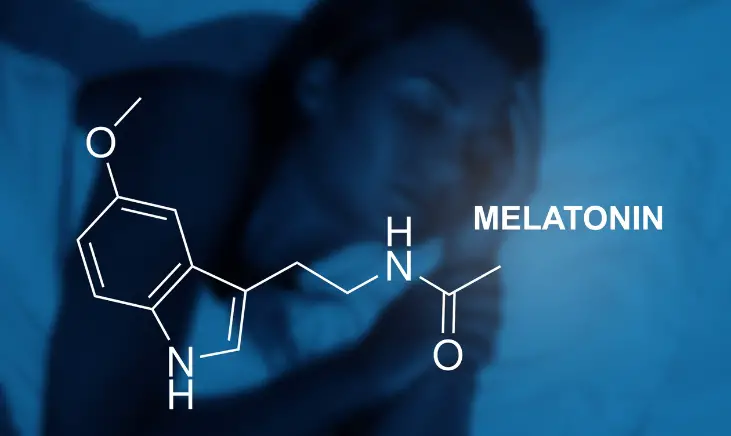
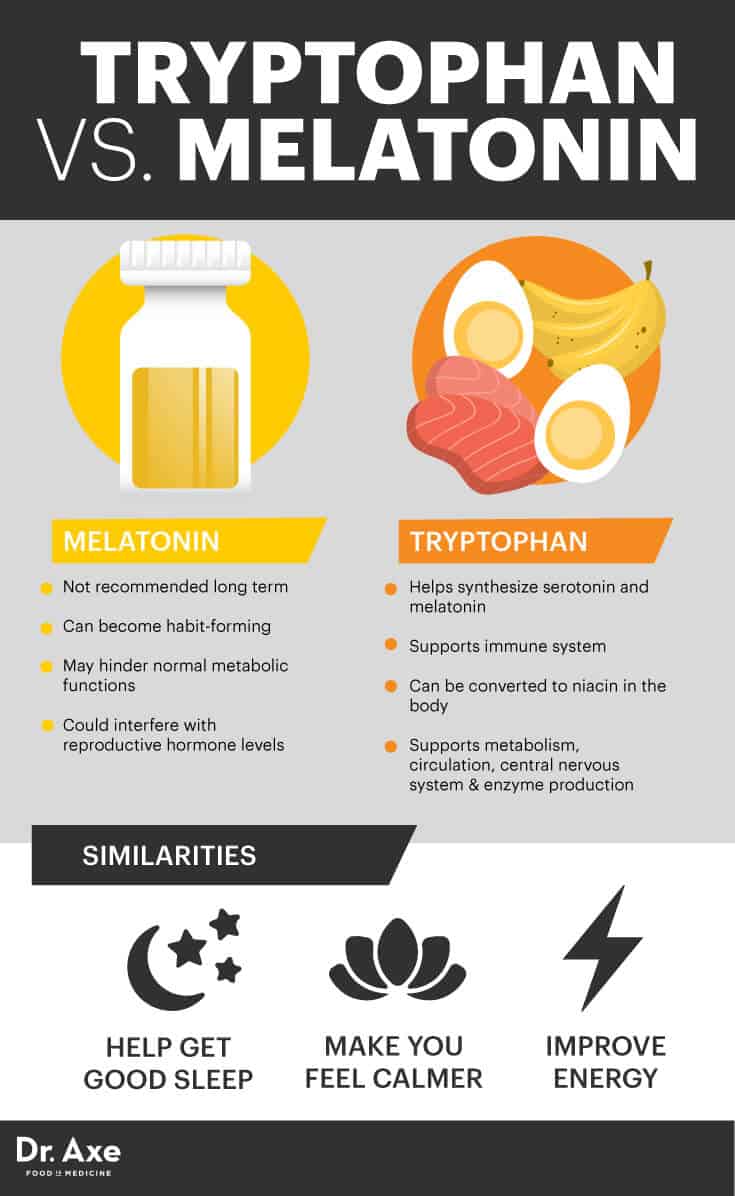
First, let's break down what each of these compounds does. Melatonin is often called the "sleep hormone." Your body naturally produces it in response to darkness, signaling that it's time to wind down and prepare for sleep. Taking melatonin as a supplement can help regulate your sleep-wake cycle, especially if you're dealing with jet lag or shift work. It's like giving your body a gentle nudge in the right direction when its internal clock is a little off.
Now, enter L-tryptophan. This is an essential amino acid, meaning your body can't produce it on its own; you have to get it from your diet. Remember that Thanksgiving dinner feeling? Turkey contains tryptophan, and while it's not solely responsible for that post-meal drowsiness, it plays a role. L-tryptophan is a precursor to serotonin, a neurotransmitter that influences mood and sleep. Serotonin is then converted into melatonin. So, indirectly, L-tryptophan contributes to melatonin production.
Must Read
So, what are the benefits of each? Melatonin is great for short-term sleep disruptions and regulating your sleep schedule. L-tryptophan, on the other hand, might have a broader impact, potentially improving mood and promoting relaxation, which can, in turn, lead to better sleep. You might find L-tryptophan used to support general wellbeing, stress management, and even to help with mild anxiety in some cases.
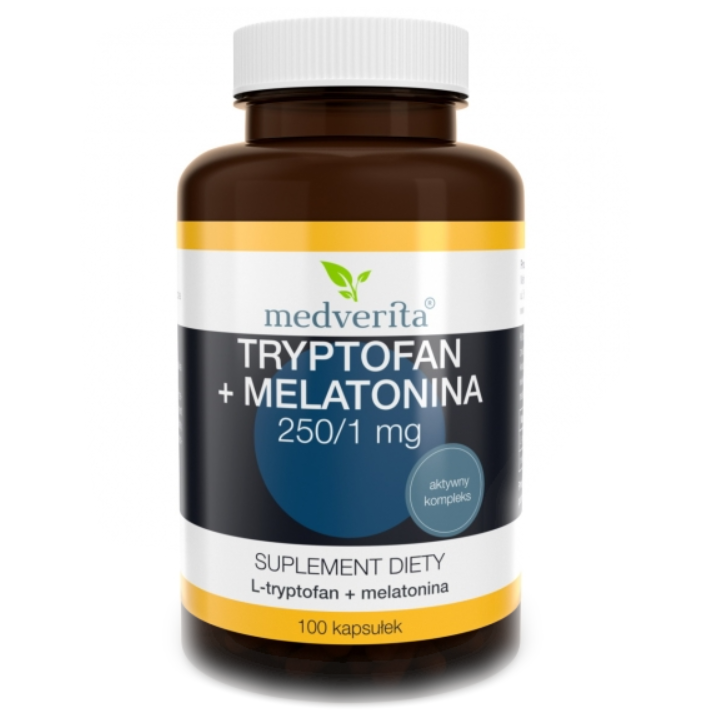
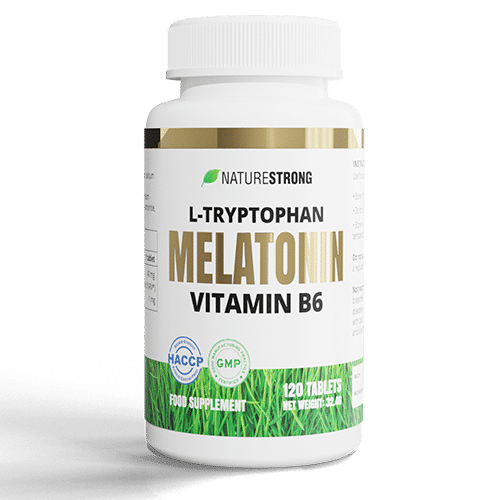
Now, the big question: can you take them together? The answer is complex and nuanced, and it's crucial to talk to your doctor or a qualified healthcare professional before combining any supplements. While some people may find that combining L-tryptophan and melatonin enhances their sleep, others might experience side effects. There's also the potential for interactions with other medications you might be taking. A healthcare provider can assess your individual needs and medical history to determine if this combination is safe and appropriate for you.
How can you explore these ideas further? Start by doing your research. Look for reputable sources of information on L-tryptophan and melatonin. Pay attention to dosage recommendations and potential side effects. Experiment with simple, natural ways to improve your sleep hygiene. Establish a regular sleep schedule, create a relaxing bedtime routine, and make sure your bedroom is dark, quiet, and cool. Consider tracking your sleep patterns using a sleep diary or a sleep tracking app. This can help you identify potential sleep problems and monitor the effectiveness of any changes you make.
Ultimately, understanding the science behind sleep and the potential of natural sleep aids like L-tryptophan and melatonin can empower you to take control of your sleep health. But remember, information is not a substitute for professional medical advice. Always consult with a healthcare provider before starting any new supplement regimen, especially if you have any underlying health conditions or are taking other medications.