
Can I Plug A Mini Fridge Into A Surge Protector
Okay, so picture this: you've just scored the perfect mini fridge. It’s sleek, it’s stylish, and it’s going to hold all your emergency snacks (because let's be honest, that's what mini fridges are really for). But now the big question hits you: can you just plug this beauty into a surge protector?
The short answer? It's a bit like asking if you can wear socks with sandals. Technically, yes, you can. But should you? That's where things get interesting.
The Power Hungry Beast (A.K.A. Your Mini Fridge)
Mini fridges might seem small and innocent, like tiny, adorable iceboxes. Don't be fooled! Inside that petite frame lurks a power-hungry monster (okay, maybe "monster" is a bit dramatic, but you get the idea). These little guys can draw a surprising amount of power, especially when the compressor kicks in.
Must Read
Think of it like this: your mini fridge is a marathon runner. It starts slow, but then suddenly it needs a huge gulp of energy to keep going. That "gulp" is a power surge. A surge protector is supposed to protect your electronics from power surges, right? So, problem solved? Not quite...
Surge Protector Showdown
Here's the thing: surge protectors have a limited capacity. They can only absorb so much excess energy before they, well, give up the ghost. Now, if you’re plugging in a phone charger and a lamp, you’re probably fine. But a mini fridge? That’s like inviting Godzilla to your tea party.

The real danger is that the mini fridge's power draw exceeds the surge protector's capacity. When this happens, a few things could happen, none of them good.
Scenario A: Overload and Shutdown. The surge protector throws a tantrum and shuts down completely, leaving your precious snacks warm and sad. (The horror!)
Scenario B: The Slow Burn. The surge protector is constantly overloaded, slowly degrading its protective components. Eventually, it’s like a superhero who’s lost their powers. It looks like it’s protecting you, but it’s secretly useless.
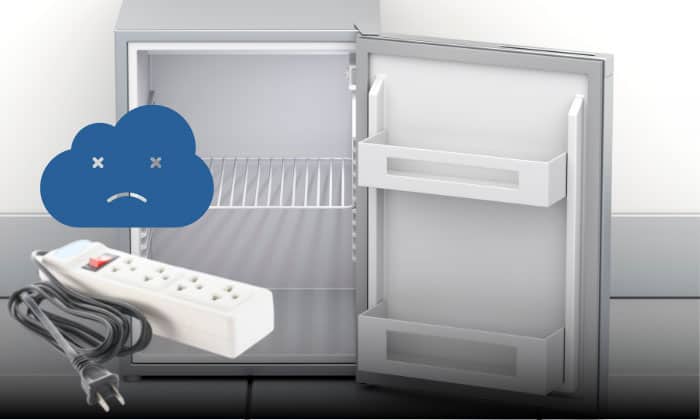
Scenario C: The Fiery Finale. Okay, this is rare, but in extreme cases, an overloaded surge protector can overheat and become a fire hazard. Nobody wants a snack-fueled inferno.
The Amp-erage Advantage: Know Your Numbers
So, how do you avoid these disastrous outcomes? The key is to understand amps (amperes). Every appliance, including your mini fridge, has an amp rating. This tells you how much electricity it needs to run. Your surge protector also has an amp rating, indicating how much it can handle.
Do some math! Find the amp rating on both your mini fridge (usually on a sticker on the back) and your surge protector. Make sure the surge protector's amp rating is higher than the mini fridge's. If it's not, Houston, we have a problem!
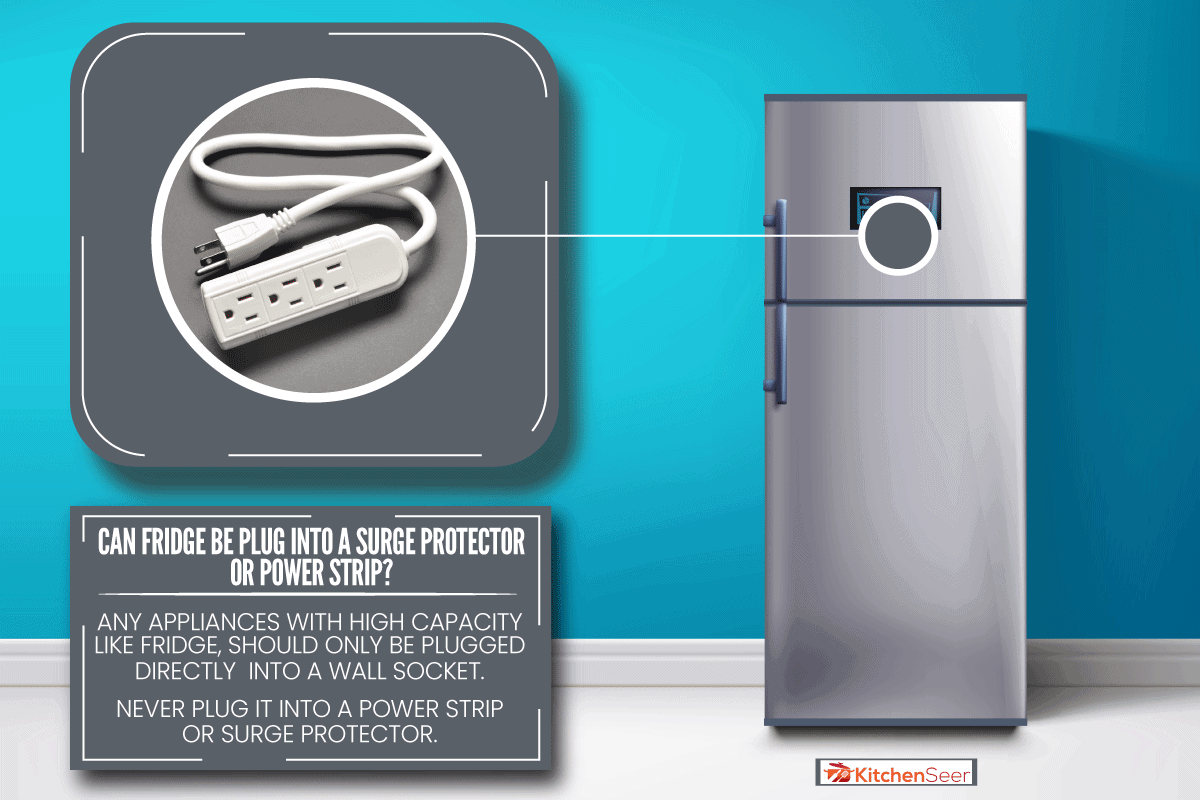
Important side note: a good surge protector will have a joule rating. Joule rating indicates how much energy the surge protector can absorb. For devices with motors like fridges, it is always a good idea to use a surge protector with a high joule rating.
The Dedicated Outlet: A Heroic Solution
The safest, and often the easiest, solution is to plug your mini fridge directly into a dedicated wall outlet. This gives it the power it needs without potentially overloading a shared surge protector.
Think of it like giving your marathon runner their own personal water station. They get all the energy they need, and nobody else gets thirsty.
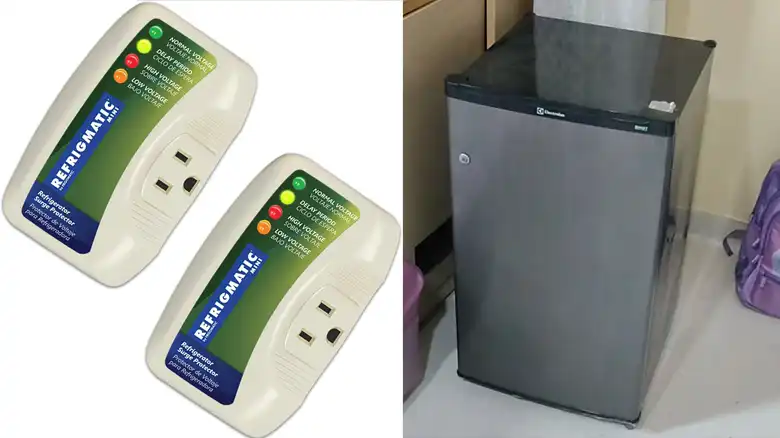
Bonus Tip: If you absolutely must use a surge protector, invest in a heavy-duty model specifically designed for appliances. These are built to handle higher power loads and provide better protection.
The Final Verdict (with a side of Snark)
So, can you plug a mini fridge into a surge protector? Technically yes. Should you? It depends. If you're feeling lucky, go for it, but don't say I didn't warn you when your surge protector starts smoking and your ice cream melts.
Ultimately, the best course of action is to be informed, do your research, and maybe invest in a good quality surge protector or dedicated outlet. Your snacks (and your house) will thank you. And if all else fails, just blame the Gremlins in the fridge. Nobody will question that.