Can I Claim New Roof On My Taxes
Ever found yourself staring up at your roof, maybe after a particularly nasty storm, and thinking, "Ugh, that's going to cost a fortune!" It's a common homeowner's lament. And right on the heels of that thought often comes another, more hopeful one: "Can I claim a new roof on my taxes?" It's a fantastic question, and one that delves into the fascinating, sometimes quirky, world of personal finance and IRS rules. Learning about these kinds of potential savings isn't just for tax geeks; it's genuinely useful knowledge that can lighten the load of those big, necessary home expenses.
The core purpose of exploring whether you can claim a new roof on your taxes is simple: to potentially reduce your overall financial burden. A new roof is a significant investment, often costing thousands of dollars. Understanding the tax implications can mean the difference between paying full price and getting a welcome reduction through credits or by increasing your home’s financial basis. The benefit isn't just about saving money in the short term, but also about smartly managing your assets. It helps you grasp the distinction between minor repairs and major home improvements from a financial perspective, a skill valuable for any homeowner.
So, where does this kind of knowledge apply in daily life or education? In daily life, imagine you've just shelled out for a brand-new, energy-efficient roof. Knowing about potential tax credits means you won't miss out on hundreds or even thousands of dollars in savings when tax season rolls around. It’s not just abstract; it’s directly applicable to your wallet! In an educational setting, discussions around home improvements and taxes are a fantastic way to teach practical personal finance. High school students learning about budgeting, or adults in a financial literacy workshop, can use this as a real-world case study for understanding concepts like capital expenditures, depreciation, and government incentives for sustainability. It shows how tax laws can encourage specific behaviors, like making homes more energy-efficient.
Must Read
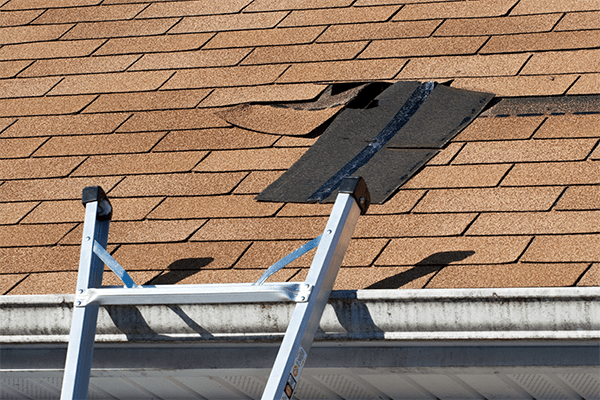
Ready to explore this a bit yourself? Here are some practical tips and simple ways to dig deeper. First, understand the crucial distinction between a repair and a capital improvement. Generally, routine repairs (like fixing a few loose shingles) are not deductible. However, a full roof replacement that significantly extends the life of your home, adds value, or adapts it to new uses, is considered a capital improvement. While you typically can't deduct the cost of a capital improvement in the year it's made, it adds to your home's "cost basis." This higher basis means you'll pay less in capital gains tax if you sell your home later for a profit. Always keep meticulous records of all invoices, receipts, and contracts for the work done.
The most common way a new roof can directly impact your taxes is through energy-efficient home improvements. The Nonbusiness Energy Property Credit (Form 5695) allows homeowners to claim a credit for certain energy-efficient upgrades, including specific types of roofs that meet Energy Star requirements. If your new roof uses asphalt, metal, or modified bitumen materials designed to reduce heat gain, you might qualify for a credit. Also, in rare cases, if a portion of your home is used exclusively for a home office, you might be able to deduct a percentage of the roof's cost as a business expense through depreciation. Lastly, if your roof damage was due to a federally declared disaster, you might be able to claim a casualty loss. The best advice? Consult a qualified tax professional. They can help you navigate the nuances and ensure you claim all the legitimate deductions and credits you're entitled to. Happy exploring, and here's to a leak-free and tax-savvy home!