
Can I Call The Fire Department For A Gas Leak
Ever wondered about the whole gas leak situation? It's not exactly a laugh riot, but understanding when to call the cavalry (aka the fire department) can be surprisingly empowering.
Let's dive into this hissing mystery!
Sniffing Out the Problem: Is It Really a Gas Leak?
First, a little detective work is in order. That faint whiff of rotten eggs? That's usually the telltale sign. Gas companies add that scent to natural gas so we can detect leaks. Clever, right?
Must Read
Think of it as a built-in gas leak early warning system. If you smell it, don't ignore it. Pretending it’s not there won’t make it go away, trust me.
Consider your appliances. Is your stove acting funny? Pilot light flickering like it's trying to send a Morse code message? These could be clues, my friend.
Sometimes, it’s not about smell. Maybe you hear a hissing sound near a gas line or appliance. Picture a snake letting off steam – not a pleasant thought, I know.
Keep an eye out for dead or dying vegetation near gas lines. It’s like nature’s own little gas leak indicator. Plants are drama queens; they’ll let you know if something’s wrong.
When to Dial 9-1-1: The Red Alert Moments
Okay, so you suspect a gas leak. But when does it go from "uh oh" to "call the authorities?" Let's break it down.
Safety first, always. If the smell is strong and pervasive, get out. Don't stop to grab your favorite slippers or binge-worthy snacks. Just evacuate!
Think of it as a fire drill, only with a less predictable ending. The most important thing is to get yourself and everyone else out of the house.
If you're feeling dizzy, nauseous, or lightheaded, that's a major red flag. Carbon monoxide poisoning can be a sneaky side effect of gas leaks. Don't try to be a hero. Leave the house!
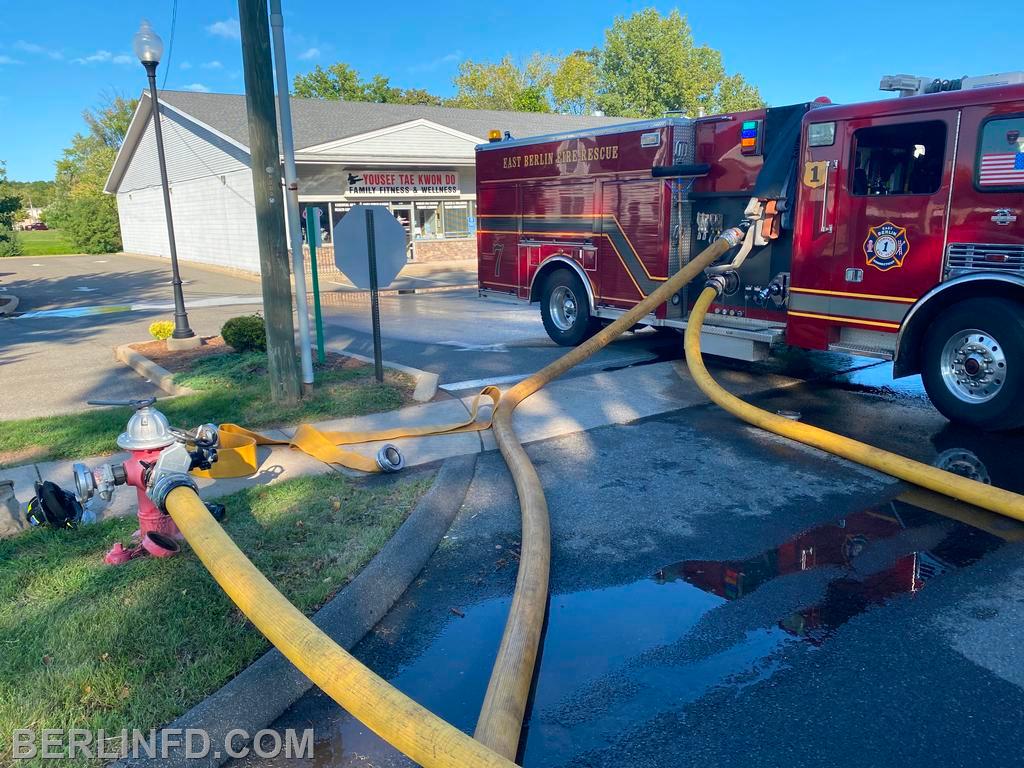
After evacuating, call 9-1-1 from a safe distance. Use a cell phone or a neighbor's phone. Don't even think about using your landline inside the potentially affected building.
It's all about preventing sparks and explosions. Electricity and gas leaks don't mix. It’s like adding fuel to the fire, literally.
If you see visible signs of damage to gas lines, like a broken pipe or a dent, that’s another reason to call the fire department. Let the professionals handle it.
If there is a fire or explosion, call 9-1-1 immediately. Every second counts. Don’t hesitate, just dial.
Why Calling the Fire Department is the Right Move
You might be thinking, "Isn't calling the fire department a bit dramatic?" Nope! They're trained to handle these situations. They're the gas leak whisperers.
They have the equipment to detect the source of the leak and shut it off safely. They're like gas leak ninjas.
The fire department can also assess the overall safety of the building and surrounding area. They'll make sure everything is safe before you go back inside.
Plus, they work with the gas company to make sure the leak is properly repaired. Think of them as a tag team, ensuring your safety.
Calling the fire department can prevent a small leak from becoming a much bigger problem. It's like catching a cold before it turns into the flu.
It's always better to be safe than sorry. Don't worry about feeling silly if it turns out to be nothing. The fire department would rather respond to a false alarm than a tragedy.
What Happens After You Call?
So, you've called 9-1-1. What happens next? Here’s a sneak peek behind the scenes.
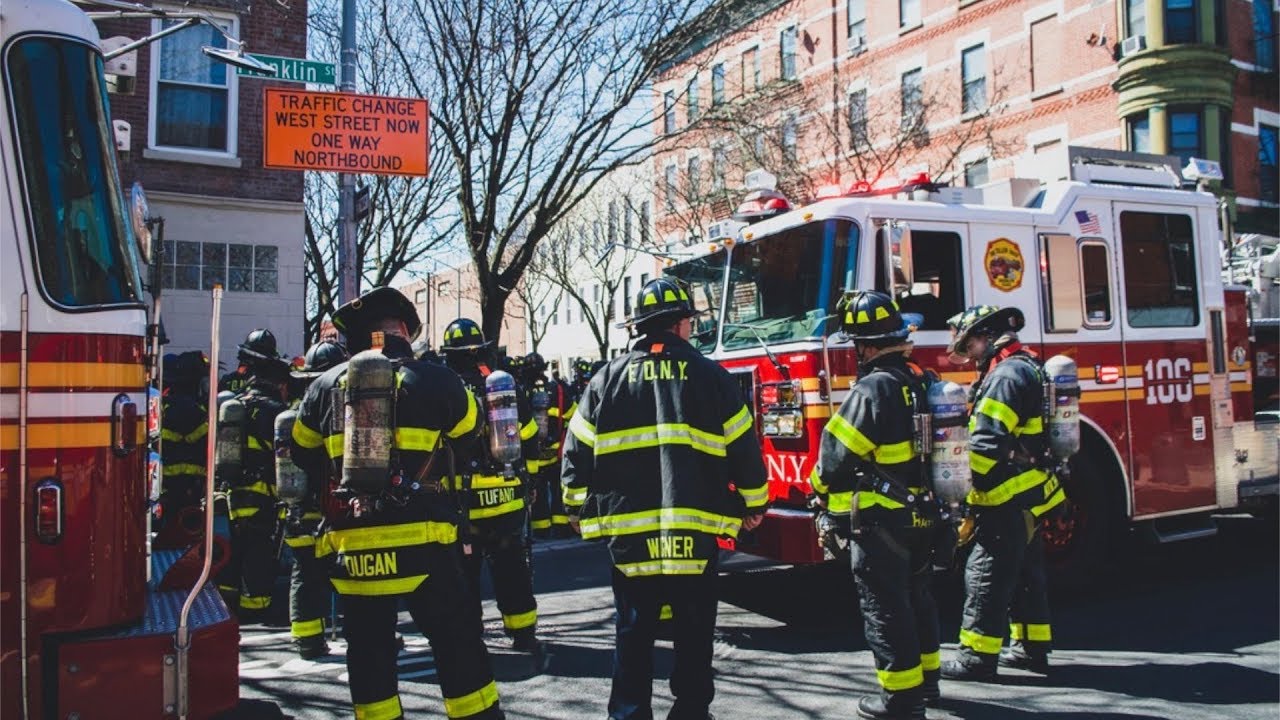
The fire department will arrive on the scene, usually with sirens blaring and lights flashing. Try not to be startled. They're there to help, not throw a party.
They'll use specialized equipment to detect the presence and concentration of gas in the air. It’s like a high-tech game of hide-and-seek with gas molecules.
They will secure the area to prevent anyone from entering. They’ll create a safety zone, so everyone stays safe.
The fire department will likely ventilate the building to remove the gas. They'll open windows and doors to air things out. It’s like giving your house a big, cleansing breath.
They may shut off the gas supply to the building at the meter. This prevents more gas from leaking into the environment. It’s like hitting the pause button on the gas leak drama.
The fire department will work with the gas company to determine the cause of the leak and make necessary repairs. They’ll make sure everything is fixed and safe.
They will advise you on when it is safe to re-enter the building. Don’t go back inside until they give you the all-clear. Trust their judgment. They know what they’re doing.
Prevention is Key: Keeping Gas Leaks at Bay
The best way to deal with a gas leak is to prevent it in the first place. A little maintenance goes a long way.
Have your gas appliances inspected regularly by a qualified technician. They'll make sure everything is working properly and safely. It’s like giving your appliances a yearly check-up.
Replace old or damaged gas lines. Don't wait until they start leaking. It’s like replacing worn-out tires on your car. It’s an investment in safety.
Install carbon monoxide detectors in your home. These devices can alert you to the presence of carbon monoxide, even if you don't smell gas. They’re like silent guardians, watching over your family.
Know the location of your gas meter and how to shut it off in an emergency. Practice turning it off so you know what to do in a real situation. It’s like knowing where the fire extinguisher is located.
Educate your family about gas leak safety. Make sure everyone knows what to do if they smell gas. It’s like having a family emergency plan.
Debunking Gas Leak Myths: Separating Fact from Fiction
There are a lot of myths and misconceptions surrounding gas leaks. Let's set the record straight.
Myth: You can always smell a gas leak. Fact: Not always. Sometimes the smell is faint, or you might have a reduced sense of smell. That’s why carbon monoxide detectors are so important.
Myth: A small gas leak is nothing to worry about. Fact: Even a small leak can be dangerous over time. It can lead to carbon monoxide poisoning or even an explosion. Don’t take chances.
Myth: You can use a match to check for a gas leak. Fact: Absolutely not! That's a recipe for disaster. Never use an open flame to check for a gas leak.
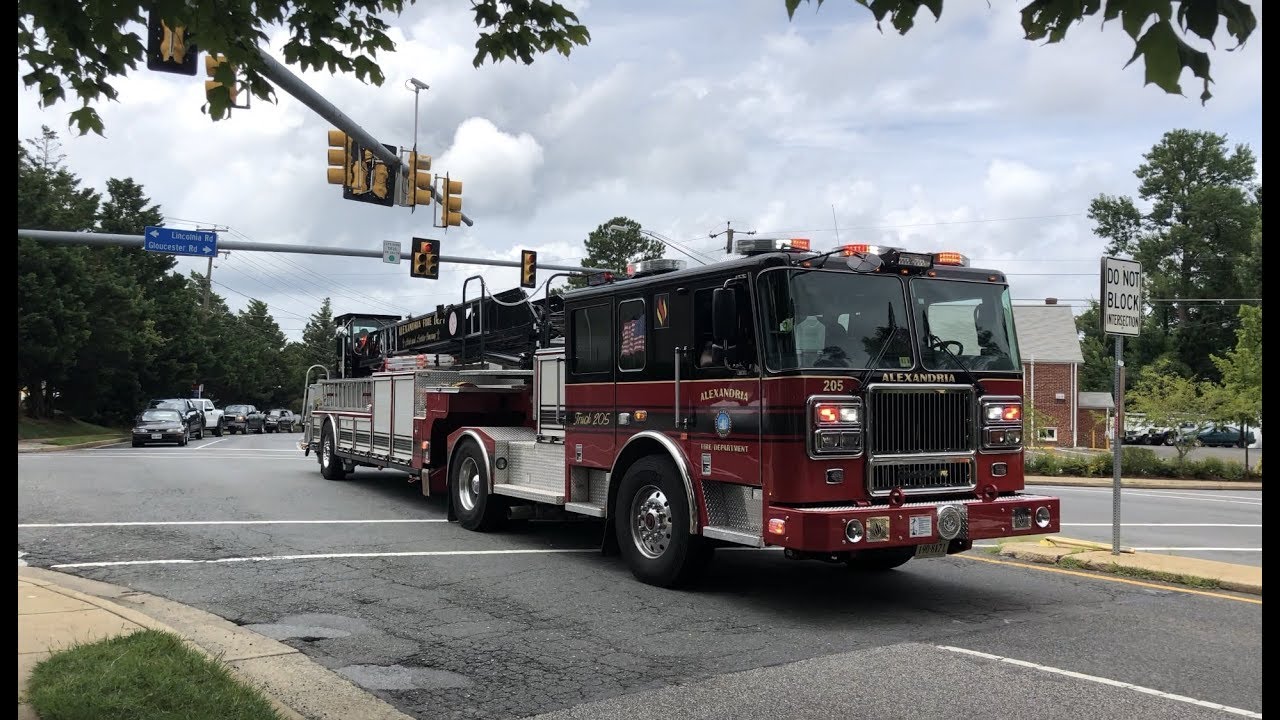
Myth: Calling the fire department for a gas leak is embarrassing if it's nothing. Fact: It's better to be safe than sorry. The fire department is there to help, and they won't judge you for being cautious.
Myth: Gas leaks only happen in old homes. Fact: Gas leaks can happen in any home, regardless of age. Regular maintenance is important to prevent leaks.
In Conclusion: When in Doubt, Call It Out!
So, can you call the fire department for a gas leak? The answer is a resounding YES! Your safety is the top priority.
Don't hesitate to call if you suspect a gas leak, especially if you smell gas, hear a hissing sound, or experience symptoms like dizziness or nausea. It’s not worth risking your health or safety.
Remember, the fire department is there to help. They’re trained to handle gas leak emergencies. They’re like superheroes, but with fire trucks and gas detectors.
Take preventative measures to keep gas leaks at bay. Regular maintenance and carbon monoxide detectors can help protect your home and family.
Stay safe, be aware, and don't be afraid to call for help. It's better to be safe than sorry. And who knows, maybe you'll get a chance to see a fire truck up close! That’s a bonus, right?
Ultimately, the decision of when to call 9-1-1 for a gas leak is a personal one, based on the specific circumstances and your comfort level. However, if you have any doubts or concerns, it's always best to err on the side of caution and call for help.
Consider safety first. And remember: prevention is way more fun than a full-blown gas emergency!