
Can Fat People Survive Longer Without Food
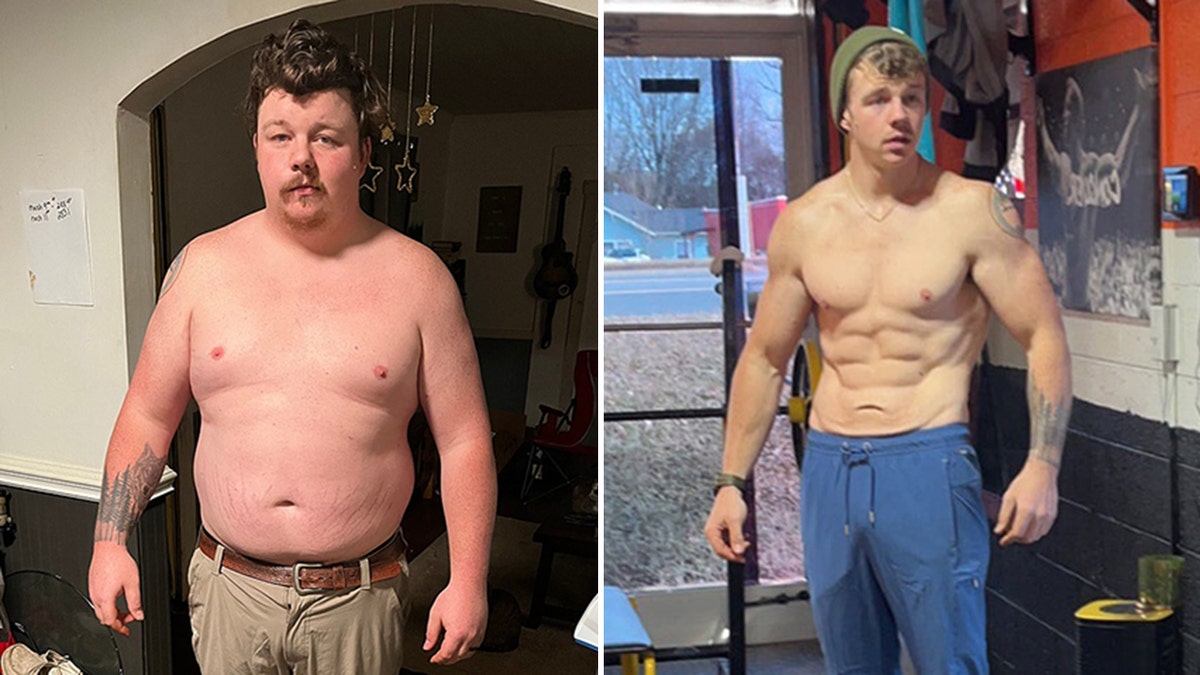
Alright folks, gather 'round! Let's dive into a question that's probably crossed everyone's mind at least once, especially during that particularly brutal diet attempt: Can people with a little extra padding survive longer without food? Let's get ready to rumble with the truth!
The Great Hunger Games: A Slightly Squishy Advantage?
Okay, picture this: a survival situation. No grocery stores, no takeout, just you and the wilderness. Who's got the edge? Is it the ripped marathon runner or your friendly neighborhood, uh, "comfortably cushioned" pal?
Well, here's the thing: our bodies are pretty darn clever. They store energy, you know, like squirrels hiding nuts for the winter. Only, instead of nuts, we're talking about fat. And fat is basically survival fuel.
Must Read
Think of it Like This...
Imagine two cars. One has a tiny little gas tank, barely enough to get to the corner store. The other? A massive, tanker-truck-sized gas tank. Which one's going to make it further on a road trip with no gas stations?
You guessed it! The tanker truck. In this analogy, the gas tank size represents body fat. The bigger the tank, the longer you can theoretically keep going when the fuel source (food) dries up.
Now, before everyone starts rushing to the nearest buffet, let's be clear: this isn't an endorsement of unhealthy living! We're just talking pure survival, hypothetical scenarios, and the fascinating way our bodies work.
Busting the Myth: It's Not Just About Fat
Okay, so we've established that stored fat can be a lifesaver (literally). But hold your horses! It's not quite as simple as saying "the bigger, the better" when it comes to surviving without food.
There are a bunch of other factors at play. Think of it like a team effort, not just a solo performance by the "Fat Reserves" department.
The All-Star Survival Team
First up, we've got Muscle Mass. Muscle burns more calories, even when you're resting. So, someone with a decent amount of muscle might actually be more efficient at using their stored energy.
Then there's Metabolism. Everyone's metabolism is different. Some people burn calories like a furnace, while others are more like a slow-burning ember. A slower metabolism might mean you conserve energy better in a survival situation.
And let's not forget Overall Health! Someone who's generally healthy, even if they're carrying a bit of extra weight, is likely to fare better than someone who's already battling health problems.
The Important Caveats (Because There Are Always Caveats)
Alright, time for the fine print. Because in real life, things are never quite as clear-cut as we'd like them to be.
Dehydration is a HUGE factor. You can only survive a few days without water, regardless of your size. So, finding a water source is always going to be priority number one in a survival situation.
Plus, starvation is no picnic. Even if you have plenty of fat to burn, your body will start breaking down muscle tissue eventually. This can lead to serious health problems.
And let's be real, being overweight can bring its own set of challenges in a survival scenario. It can make it harder to move around, find shelter, and generally exert yourself.
The "Listen to Your Doctor" Disclaimer
Before we go any further, let's just state the obvious: this is NOT medical advice. If you're concerned about your health, talk to a qualified medical professional. They can give you personalized guidance based on your individual situation.
This whole discussion is purely hypothetical and meant to be a bit of fun. Please don't go trying to "test" your survival skills by starving yourself!
So, Who Wins? The (Slightly) Nuanced Answer
Okay, so after all that, what's the verdict? Can people with more fat survive longer without food?
The (annoying but honest) answer is: it depends! Having extra fat can provide a survival advantage, but it's not the only factor. Muscle mass, metabolism, overall health, and access to water all play a crucial role.
Think of it like this: a slightly squishy person with good overall health and a moderate metabolism might have a better chance than a super-skinny person with health problems and a blazing-fast metabolism.
Survival of the Fittest (and the Cleverest)
Ultimately, survival isn't just about your physical attributes. It's about your mental toughness, your resourcefulness, and your ability to adapt to challenging situations.
Someone who knows how to find water, build a shelter, and stay calm under pressure is going to have a much better chance of surviving, regardless of their body size.
So, instead of focusing on whether you have enough "survival fat," focus on learning practical survival skills. You might just surprise yourself with what you're capable of!
Knowledge is Power (and Maybe a Few Extra Pounds Aren't So Bad)
In conclusion, while extra fat reserves can provide a potential advantage in a prolonged famine or survival situation, it’s not the golden ticket to outlasting everyone else.
The key is a combination of factors: a reasonable amount of stored energy, good overall health, and, most importantly, the knowledge and skills to survive in the wilderness.
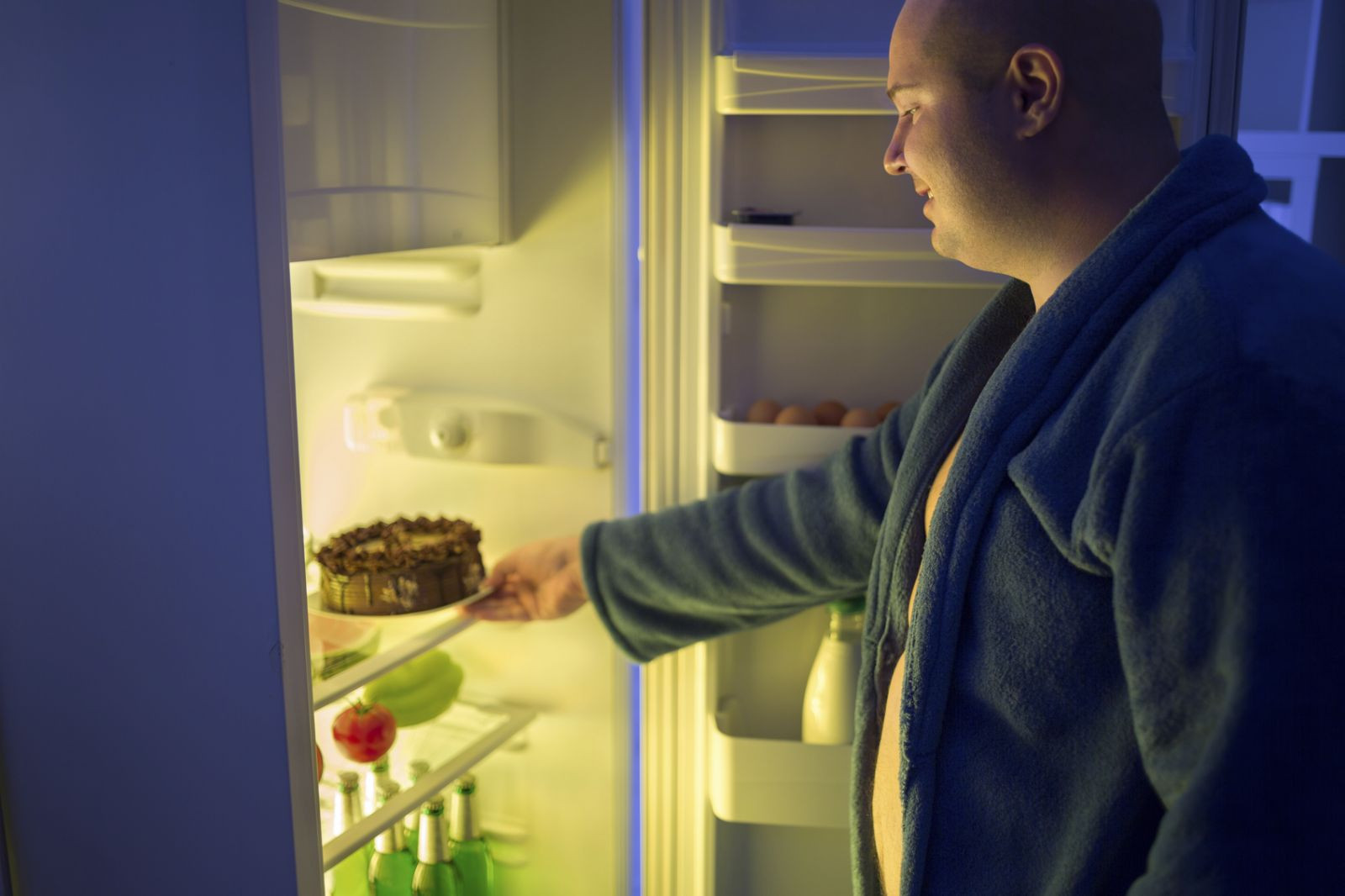
So, next time you're feeling guilty about that extra slice of cake, just remember: it could be helping you prepare for the apocalypse. (Just kidding... mostly.)
Embrace Your Body (and Maybe Pack a Snack)
The most important takeaway from all of this is to love and respect your body, no matter its shape or size. Focus on being healthy and strong, both physically and mentally.
And hey, if you're ever lost in the wilderness, a little extra padding might just give you a bit of a head start. But don't rely on it! Learn those survival skills!
And always, ALWAYS pack a snack. You never know when you might need it!
"The journey of a thousand miles begins with a single step... and a well-stocked backpack." - Someone Wise (Probably)