
Can Electric Water Heater Produce Carbon Monoxide

Okay, folks, let's talk water heaters! We all love a nice hot shower on a chilly morning, or a steaming bath after a long day. But have you ever stopped to think about the science behind that comforting hot water? And more importantly, have you ever worried about whether your trusty water heater could be secretly plotting against you with… carbon monoxide?
I know, I know, the words “carbon monoxide” probably conjure up images of dramatic news reports and scary warnings. It’s a serious topic, and definitely not something to take lightly. But before you start picturing your water heater as a villain in a suspense thriller, let’s clear up some common misconceptions.
The Great Carbon Monoxide Mystery
Here's the deal: the short answer is, generally, electric water heaters do not produce carbon monoxide. Why? Because they use electricity to heat the water. Think of it like this: you're using an electric kettle to boil water for your tea. That kettle just needs electricity, no burning of fuel, right? Same principle applies.
Must Read
Carbon monoxide, or CO, is a byproduct of incomplete combustion. That fancy term just means that something is burning, but not completely. This happens with fuels like natural gas, propane, oil, or even wood. Think of your car’s exhaust, or a fireplace that isn't properly ventilated.
Now, gas water heaters are a different story. Since they burn natural gas or propane to heat the water, there is a potential risk of carbon monoxide production if something goes wrong. We'll touch on them later.
Electric vs. Gas: A Quick Showdown
To really drive the point home, let’s compare the two main types of water heaters: electric and gas.
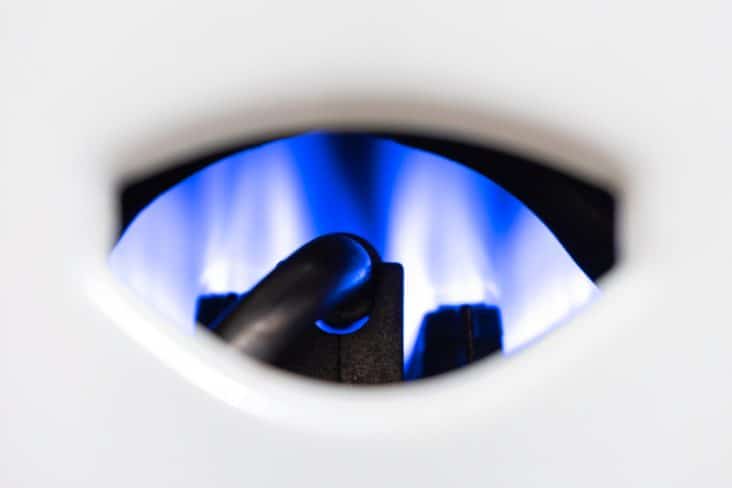
Electric Water Heaters: These are like the silent, reliable workhorses of the water heating world. They plug into your electrical outlet, and an internal heating element warms the water. No combustion, no flames, no carbon monoxide. Think of it like using a toaster – it gets hot, but it doesn't release any fumes.
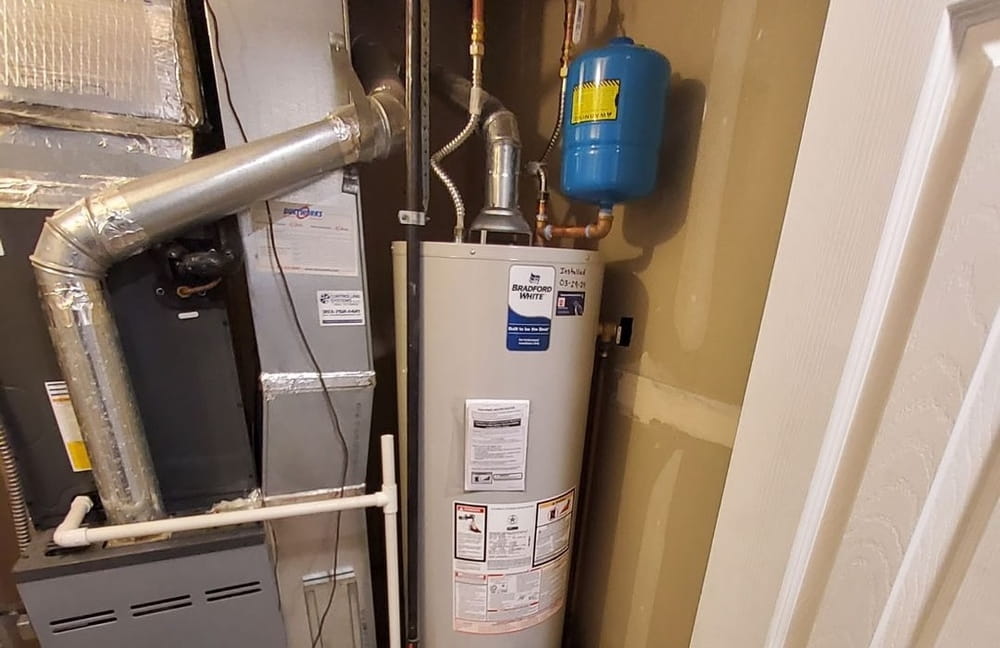
Gas Water Heaters: These guys are more like a campfire – they use a burner to heat the water. And just like a campfire, they need proper ventilation to ensure the fumes are safely directed outside. If the ventilation is blocked or the burner malfunctions, carbon monoxide can build up inside your home. Imagine trying to light a campfire inside your living room – definitely not a good idea!
Why You Should Still Care (Even with an Electric Heater)
Okay, so you have an electric water heater and you’re breathing a sigh of relief. That’s great! But don’t get too complacent. While your water heater itself isn’t likely to be a CO culprit, other appliances in your home could be.

Think about your furnace (especially if it’s gas-powered), your gas stove, your fireplace, or even a portable generator. All of these appliances can produce carbon monoxide if they're not functioning properly or adequately ventilated.
And here's where it gets a little tricky: carbon monoxide is odorless, colorless, and tasteless. You can't see it, smell it, or taste it. That's why it's often called the "silent killer." It creeps up on you without you even realizing it's there.
Symptoms of carbon monoxide poisoning can be easily mistaken for the flu: headache, dizziness, nausea, fatigue. In severe cases, it can lead to loss of consciousness and even death.
The Hero We All Need: The Carbon Monoxide Detector
So, how do you protect yourself and your loved ones from this invisible threat? The answer is simple: install carbon monoxide detectors!
These little gadgets are like having a vigilant guardian watching over your home. They constantly monitor the air for carbon monoxide and will sound an alarm if they detect dangerous levels. It’s like having a smoke detector, but for a different kind of danger.
Where to place them? The general rule is to install them on every level of your home, especially near sleeping areas. Follow the manufacturer's instructions for placement and testing.
Think of it like this: you wouldn’t drive your car without a seatbelt, right? A carbon monoxide detector is like a seatbelt for your home – a simple, affordable way to protect yourself from a potentially deadly hazard.
A Few Extra Tips for Peace of Mind
Beyond having detectors, here are a few extra things you can do to keep your home safe:
- Have your fuel-burning appliances professionally inspected and serviced regularly. This includes your furnace, gas stove, and water heater (if it’s a gas model).
- Make sure all vents and chimneys are clear of obstructions. Bird nests, leaves, and other debris can block the flow of air and cause carbon monoxide to build up.
- Never use a portable generator indoors or in a garage, even if the doors and windows are open. Generators produce a lot of carbon monoxide, and it can quickly build up to dangerous levels.
- Be aware of the symptoms of carbon monoxide poisoning and seek medical attention immediately if you suspect you’ve been exposed.
So, while your electric water heater is unlikely to be a carbon monoxide culprit, it's crucial to be aware of the risks associated with other appliances in your home and take the necessary precautions to protect yourself and your family. Think of it as being a responsible homeowner – you’re not just keeping the water hot, you're keeping everyone safe and sound. Now go enjoy that hot shower with a little extra peace of mind!