
Can Cats Eat Canned Chicken

Hey there, fellow cat lovers! Ever find yourself staring into the soulful eyes of your feline friend while opening a can of chicken and wondering, "Can I share this deliciousness?" Well, you've come to the right place! Let's dive into the wonderful (and sometimes wacky) world of cats and canned chicken.
The Purrfectly Simple Answer: Yes, But...
The short answer is generally yes, cats can eat canned chicken. It's a fantastic source of protein, which is essential for our carnivorous companions. Think of it as the feline equivalent of a bodybuilder's protein shake, but way more likely to be licked off your fingers.
But hold your horses (or should I say, hold your catnip mice?)! There are a few crucial things to consider before you start dishing out chicken like it's going out of style. We want to make sure our furry friends are happy and healthy, not stuck with a tummy ache!
Must Read
Navigating the Chicken Coop: What to Watch Out For
First and foremost, check the ingredients! We're looking for plain, unseasoned chicken. That means no added salt, garlic, onions, or any of those sneaky spices that might be lurking in your pantry. These things can be toxic to cats.
Imagine offering your cat a delicious chicken feast, only to realize it's loaded with garlic powder – the horror! Always read the label carefully. Your cat will thank you for it (probably by rubbing against your legs incessantly).
Next up: sodium. Too much salt is a big no-no for our feline friends. Canned chicken can sometimes be high in sodium, so opt for the low-sodium or no-salt-added varieties whenever possible. Think of it as doing your cat a favor for their future kidney health!
Finally, bone fragments! Make sure the canned chicken is boneless. Even small bone pieces can be a choking hazard or cause internal damage. We want happy purrs, not emergency vet visits.
The Case of the Mysterious Broth
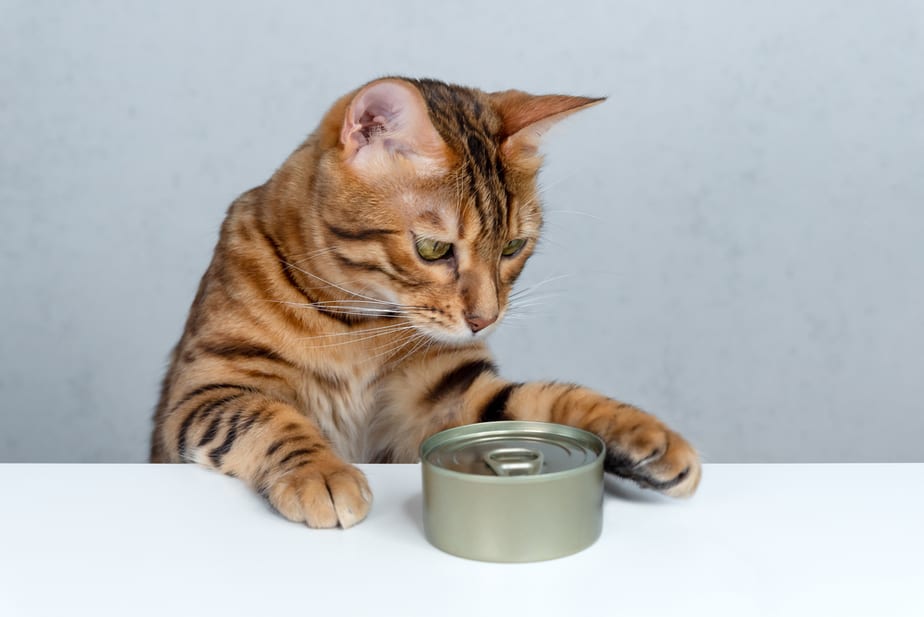
What about the broth the chicken comes in? Generally, it's okay in small amounts. It can actually help keep your cat hydrated, especially if they're not big water drinkers. Consider it a sneaky way to boost their fluid intake!
However, just like the chicken itself, make sure the broth is free of any added seasonings or harmful ingredients. If you're unsure, it's always best to err on the side of caution and drain the broth before serving the chicken.
Think of it this way: would you give your cat a mystery potion without knowing what's in it? Probably not! So, treat the broth with the same level of scrutiny.
Serving Suggestions: A Culinary Adventure for Your Cat
Okay, so you've got your plain, boneless, low-sodium canned chicken. Now what? It's time to get creative! (Well, sort of. Cats aren't exactly known for their adventurous palates).
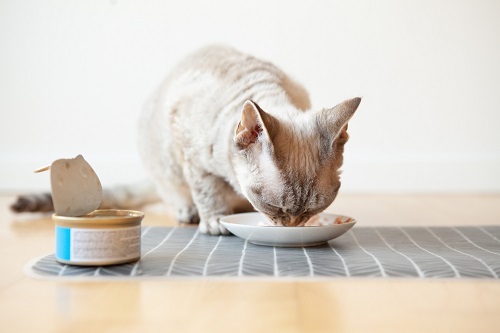
Start by offering a small amount to see if your cat even likes it. Some cats are obsessed with chicken, while others turn their noses up at it like it's the most offensive thing they've ever encountered. Every cat has their own personality, and their own taste preferences.
You can mix the chicken with their regular dry or wet food to make it extra appealing. Think of it as adding a little razzle-dazzle to their everyday meal! Just remember that canned chicken is a treat, not a complete and balanced diet on its own.
Another option is to use it as a reward during training sessions. Trying to teach your cat to sit, stay, or (dare I say it) come when called? A tiny piece of chicken might just be the motivation they need!
Just be prepared for them to suddenly become the most attentive and obedient creatures you've ever seen...until the chicken runs out, of course.
Canned Chicken: A Treat, Not a Staple
While canned chicken can be a healthy and delicious treat for your cat, it's important to remember that it shouldn't be their primary source of nutrition. Cats need a balanced diet that includes all the essential vitamins and minerals. Always consult with your veterinarian to ensure your cat's dietary needs are being met.
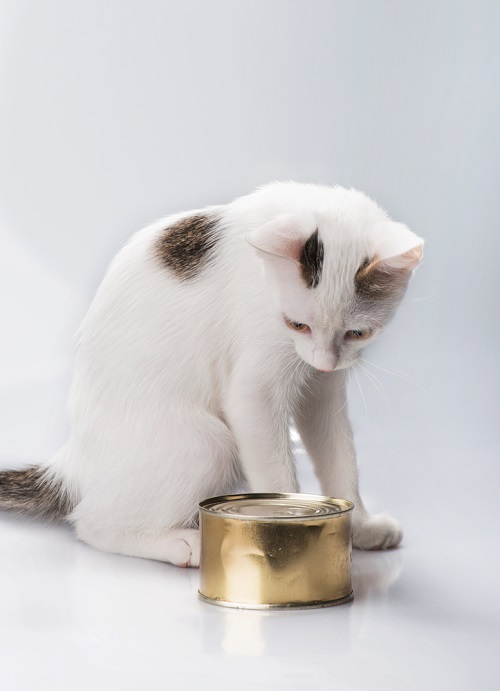
Think of canned chicken as the ice cream of the cat world – enjoyable in moderation, but not something they should be eating every day for every meal. A balanced diet is key to a happy and healthy cat.
Too much canned chicken can lead to weight gain or nutritional imbalances. We want our cats to be sleek and agile hunters, not plump couch potatoes (although, let's be honest, they're pretty good at that already).
When in Doubt, Ask Your Vet!
Every cat is different, and some cats have specific dietary needs or health conditions that might make canned chicken unsuitable for them. If you have any concerns about feeding your cat canned chicken, always consult with your veterinarian.
They can provide personalized advice based on your cat's individual health and lifestyle. They are the true experts in feline nutrition!
Think of your vet as your cat's personal nutritionist. They can help you create a diet plan that will keep your furry friend feeling their best.
The Final Verdict: Chicken Cautiously!
So, can cats eat canned chicken? The answer is a resounding "Yes, with a few caveats!" As long as you choose plain, boneless, low-sodium chicken and offer it in moderation, it can be a safe and enjoyable treat for your feline friend.
Remember to always prioritize your cat's health and well-being above all else. And when in doubt, consult with your veterinarian.
Now go forth and share the chicken (responsibly, of course)! May your cat be forever grateful for your culinary kindness. And may your home be filled with purrs of contentment and endless head boops.
Happy snacking, kitty cats!