Let's have a little chat about things that seem to stick around forever, yet secretly have a secret countdown ticking away. You know, like that old carton of milk you swore was fine yesterday. Or that friend who still thinks dial-up is a viable internet option. We all have things we expect to last, but what about the silent guardians of our homes?
I'm talking about your carbon monoxide detector. That little plastic box on the wall or ceiling, minding its own business, usually only making a peep when its battery is on life support. We plug it in, we set it up, and then… we mostly forget about it, right? It's just there, like a trusty, quiet sentinel. But here's a playful thought, perhaps even an "unpopular opinion" I'm willing to whisper: Can these superhero devices actually go bad? The answer, my friends, is a resounding, chuckle-worthy, "Oh, absolutely!"
The Silent Guardian's Secret
Think about it. We replace our smoke detectors. Everyone knows those little guys have an expiration date. You usually find it stamped right on the back, a gentle reminder that after ten years, they're basically just fancy plastic coasters. But somehow, our carbon monoxide detectors often get a free pass in the "set it and forget it" hall of fame. Why? Maybe because CO is the "silent killer," and we don't always think about the detector itself being silently aging.
It's not just the battery that gives up the ghost. That's a common misconception, like thinking your car just needs gas when the engine light comes on. Sure, the low-battery chirp is annoying, a persistent little squeal designed to drive you up the wall until you pop in a fresh AAA. But deep inside that unassuming box, there's a sensitive sensor working tirelessly. It's like a tiny nose, constantly sniffing the air for that odorless, colorless, truly nasty gas. And like any nose, or any sensor for that matter, it gets tired.
Your CO detector isn't a magical everlasting gobstopper of safety. It's a sophisticated piece of tech with a shelf life, just like everything else good in this world.
Carbon Monoxide Detector And How It Works at Louise Rizo blog
Why Can't Anything Last Forever?
Let's compare it to other household items. Your refrigerator, bless its heart, will eventually hum its last hum. Your favorite coffee maker will one day sputter its final brew. Even that rugged remote control, the one that's survived countless drops and sticky fingers, will eventually lose its will to live. Why would our carbon monoxide detectors be exempt from the universal law of wear and tear?
The truth is, the internal components, particularly that crucial sensor, degrade over time. Dust, humidity, temperature fluctuations, and just plain old time take their toll. It’s like us – we can't sprint marathons forever, and neither can our dedicated little detectors sniff out danger indefinitely. After about five to seven years, depending on the model, that sensor can become less sensitive, a bit foggy in its detection skills. It might still look perfectly fine on the outside, but inside, it's having a quiet, existential crisis. It's not broken, per se, but it's not quite at peak performance either.
What To Do If Your Carbon Monoxide Detector Goes Off (Step-By-Step
When Your Detector Gets That "Look"
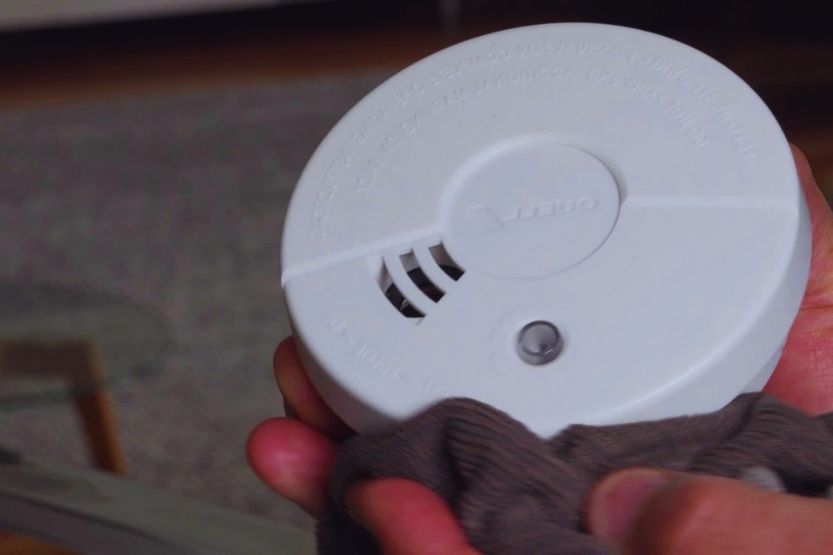
So, how do you know if your CO detector is giving you the side-eye and silently plotting its retirement? Well, beyond the infamous low-battery chirp, many models have an actual expiration date printed on them. Go on, grab a stool, get up close and personal with your detector. You might be surprised at what you find. Sometimes it's a "replace by" date, sometimes it's a little sticker. If it's passed that date, it's not just a suggestion; it's a polite, firm request to upgrade your guardian.
Some even have a little indicator light that might change color or start blinking differently when it's nearing the end of its operational life. And then there's the test button. Pushing that button is great for confirming the alarm sound works, but it doesn't actually test the sensor's ability to detect carbon monoxide. It's like testing if your car horn works; it doesn't tell you if the engine is about to fall out.
So, my friends, let's embrace this "unpopular opinion" with a grin. Yes, your trusty carbon monoxide detector can, and absolutely will, go bad. It's not a conspiracy; it's just the way of things. Give it a hug (metaphorically, of course), check its expiration date, and if it's looking a little long in the tooth, treat yourself (and your family) to a shiny new one. It's a small price to pay for letting your silent guardian continue to do its very important, sniffy job.