
Can Asthma Cause Swollen Lymph Nodes

Okay, let's talk lymph nodes. Those little bean-shaped things that hang out in your neck, armpits, and groin? You know, the ones that sometimes get all swollen and make you go, "Uh oh, what's going on?" And then, let's toss asthma into the mix! Can these two be related? Let’s dive in!
What are Lymph Nodes Anyway?
First things first, let’s give a shout-out to our lymphatic system! It's like the body's waste management and defense squad rolled into one. Lymph nodes are critical parts of this system. Think of them as tiny filters, catching all the bad guys – bacteria, viruses, and other unwanted guests – that might be causing trouble.
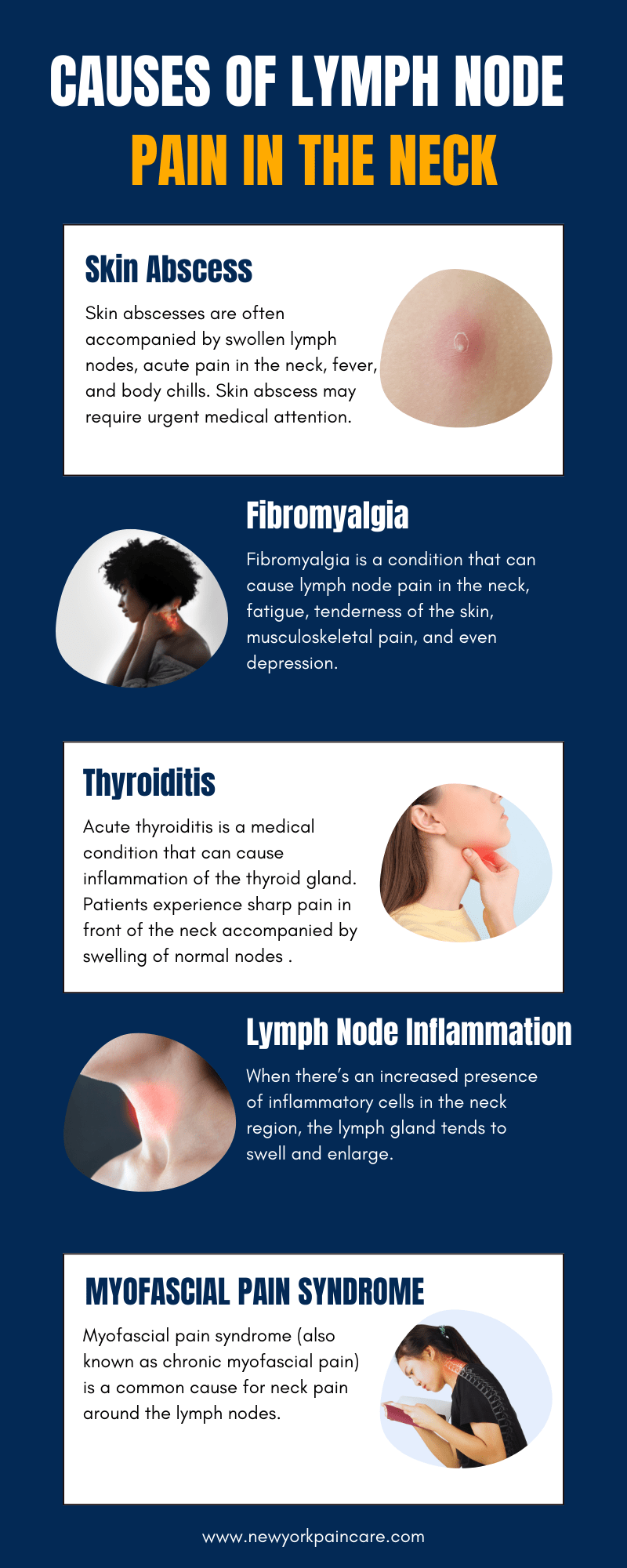
When these nodes get swollen, it's usually a sign that they're working overtime. (Good on them, right?). This swelling, known as lymphadenopathy, means they’re battling an infection or inflammation somewhere in your body.
Must Read
Asthma: More Than Just Wheezing
We all know asthma, right? That sneaky respiratory condition that makes breathing a bit of a challenge. Characterized by inflammation and narrowing of the airways, asthma can lead to wheezing, coughing, chest tightness, and shortness of breath. Basically, not a walk in the park!
But here’s the thing: asthma is more than just constricted airways. It’s fundamentally an inflammatory condition. And inflammation is key to understanding our central question.
So, Can Asthma Directly Cause Swollen Lymph Nodes?
Now, the million-dollar question! The short answer? Not usually, but indirectly...maybe.
Let's break it down. Asthma itself doesn't typically cause widespread, noticeable swelling of the lymph nodes. It primarily affects the respiratory system. However, here's where things get interesting:

Indirect Connection: Infections. Asthma can make you more susceptible to respiratory infections, such as bronchitis or pneumonia. Why? Because the inflammation in your airways makes it easier for those pesky germs to set up shop. And guess what? Infections absolutely cause swollen lymph nodes! These infections could be bacterial, viral, or even fungal.
Think of it like this: Your airways are already a bit grumpy because of the asthma. Add an infection on top, and your body's defenses (including those lymph nodes) go into overdrive. It’s like calling in the reinforcements for a double battle!
Asthma Meds: A Possible (But Rare) Culprit?
It's also worth noting – though it's rare – that some medications used to treat asthma, like certain steroids, can sometimes have side effects that could potentially impact the immune system. A shift in the immune system could, theoretically, lead to changes that influence lymph node activity, but this is generally not a common or direct effect. Always chat with your doctor about medication side effects!
When Should You Be Concerned?
Okay, so you've got asthma, and you notice some swollen lymph nodes. What should you do? Don't panic! But do pay attention.
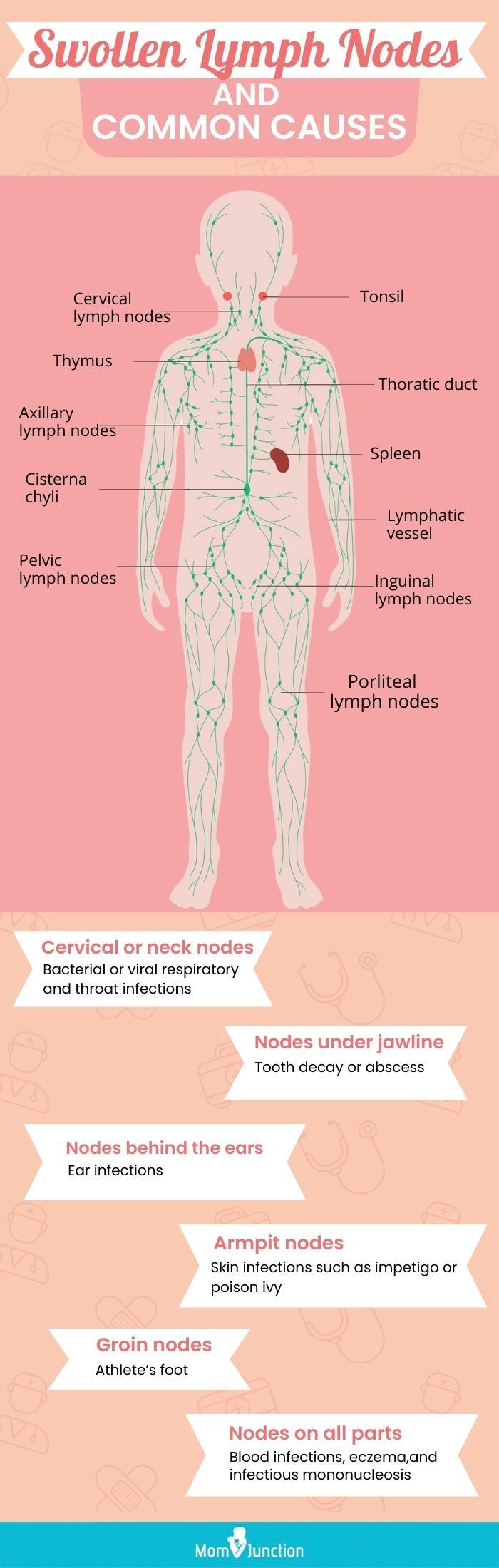
- Location, Location, Location: Where are the swollen nodes? Swollen nodes near your jawline or neck often indicate a throat infection or cold. Nodes in your armpit could point to an infection in your arm or breast.
- Size Matters: Are they pea-sized or golf ball-sized? A slightly enlarged node is often nothing to worry about, but significantly swollen nodes deserve a check-up.
- Other Symptoms: Do you have a fever, night sweats, unexplained weight loss, or fatigue? These symptoms, combined with swollen lymph nodes, could indicate something more serious.
Bottom line: If you're concerned, or if the swelling persists for more than a few weeks, see your doctor. It’s always better to be safe than sorry!

Don't Let It Get You Down!
Living with asthma can sometimes feel like navigating a minefield. But remember, knowledge is power! Understanding the potential connections between asthma and other health concerns, like swollen lymph nodes, empowers you to take control of your health and advocate for yourself.
Think of it as a detective game! You're gathering clues (symptoms, medical history) and working with your doctor to solve the mystery of your well-being.
So, go forth, be curious, and don't be afraid to ask questions! The more you learn, the more you can thrive, even with asthma in the mix. There's a whole world of wellness waiting to be explored!