
Can A Soldering Iron Electric Gun Weld Metal

Okay, let's talk shop. We've all seen them, right? Those soldering irons that look a little bit like ray guns from a vintage sci-fi flick. And maybe, just maybe, you've wondered: can these babies actually weld metal? Like, real, hold-two-pieces-of-steel-together welding?
The short answer? It's a bit like asking if your toaster can bake a five-layer cake. Technically, you could probably melt some chocolate in it... but you wouldn't want to rely on it for a birthday masterpiece, would you? Let's dive a bit deeper.
Soldering vs. Welding: A Tale of Two Processes
Think of soldering and welding as cousins, not twins. They both involve joining metal, but the way they do it is fundamentally different. Imagine you're gluing two Lego bricks together (soldering) versus melting the bricks slightly so they fuse together to form one brick (welding).
Must Read
Soldering uses a filler metal – typically a tin-lead alloy (though lead-free options are increasingly common) – that melts at a relatively low temperature. This molten filler acts like a glue, bonding the two metal pieces together. Think about repairing a broken wire on your headphones. That's probably soldering at work! You're not melting the copper wires themselves; you're using solder to create an electrical connection.
Welding, on the other hand, involves melting the base metals themselves. It's a much more intense process, requiring significantly higher temperatures. The edges of the metal pieces are heated until they become molten and fuse together, often with the addition of a filler metal that has a very similar composition of the base metal, creating a much stronger, more permanent bond. Think of the frame of your car or the beams in a building. Those are almost always welded together.
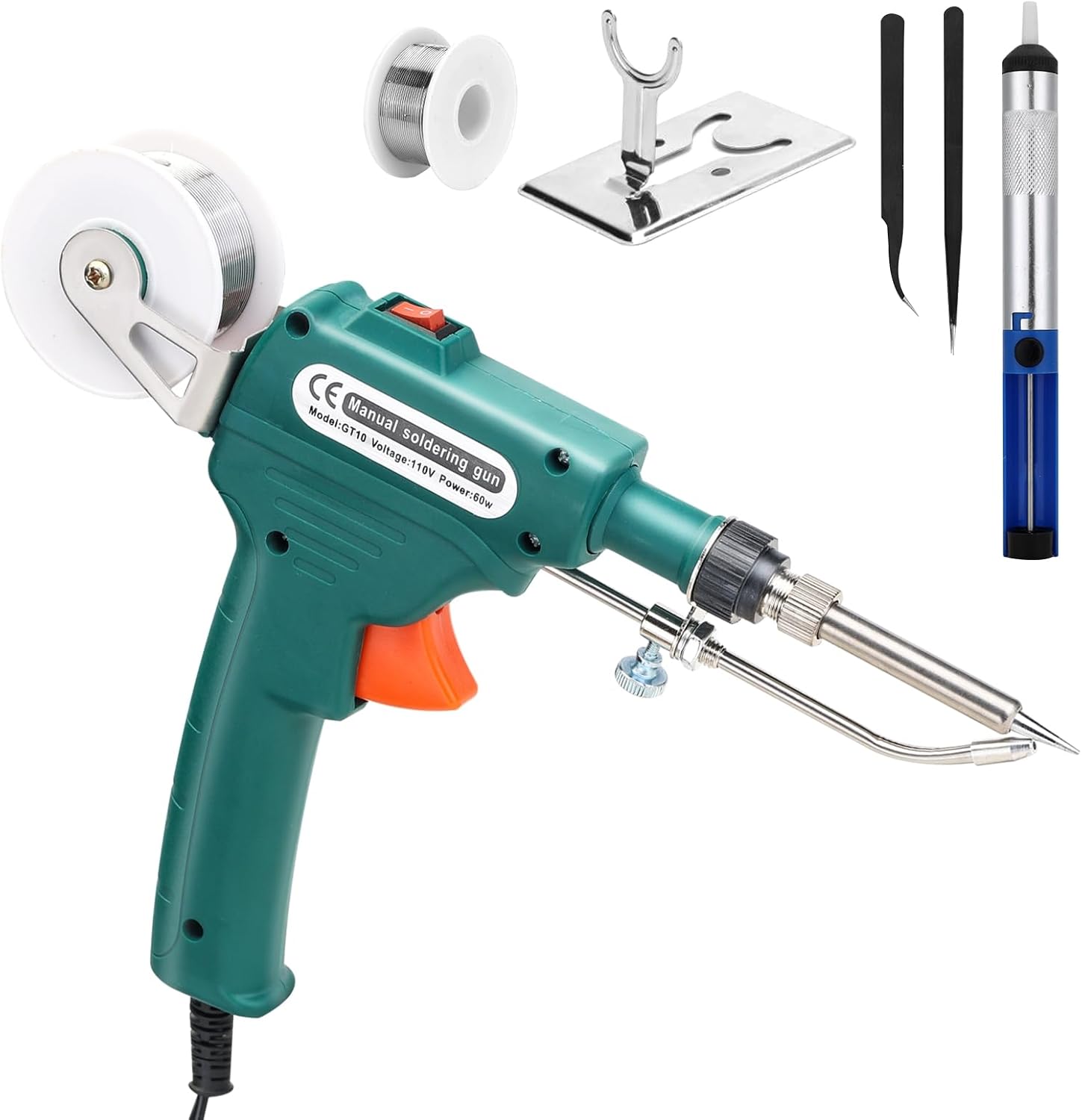
So, Where Does the Soldering Iron Fit In?
A soldering iron, even one that looks like a space-age pistol, simply doesn't generate the heat needed for proper welding. Welding typically requires temperatures exceeding thousands of degrees Fahrenheit. Soldering irons usually max out at a few hundred degrees – hot enough to melt solder, but not nearly enough to melt steel, aluminum, or most other common metals used in welding.
Imagine trying to boil a pot of water with a candle. You might eventually get there, but it would take forever, and the results would be... less than ideal. That's kind of what trying to weld with a soldering iron is like.
Why Should You Care?
Okay, so you're not planning on building a skyscraper in your backyard. Why should you care about the difference between soldering and welding? Because knowing the right tool for the job can save you time, money, and a whole lot of frustration!

If you're working on electronics, repairing small appliances, or connecting wires, a soldering iron is your best friend. It's relatively inexpensive, easy to use, and perfect for delicate tasks. But if you're dealing with structural repairs, automotive work, or projects that require serious strength, you'll need to invest in proper welding equipment.
Trying to cut corners by using a soldering iron for welding is like trying to drive a nail with a butter knife. It's not going to work, and you'll probably just end up bending the knife (or ruining your soldering iron).

Let's say you have a wobbly metal chair. Tempting as it might be to try to "weld" it with your soldering iron, the joint won't hold. The weak solder will break under the weight, and you'll be back to square one. A proper weld would create a strong, lasting repair. You need a welding machine for that.
In a Nutshell...
Think of it this way: soldering is like using a stapler – great for holding papers together, but not ideal for building a house. Welding is like using concrete – strong, permanent, and essential for serious construction. Don't try to build a house with a stapler, and don't try to weld with a soldering iron!
So, while that soldering iron might look cool and futuristic, its welding capabilities are more science fiction than science fact. Use it for what it's designed for – soldering – and leave the welding to the professionals (or at least, to the proper welding equipment!). Happy making!
