Can A Gas Leak Smell Like Skunk
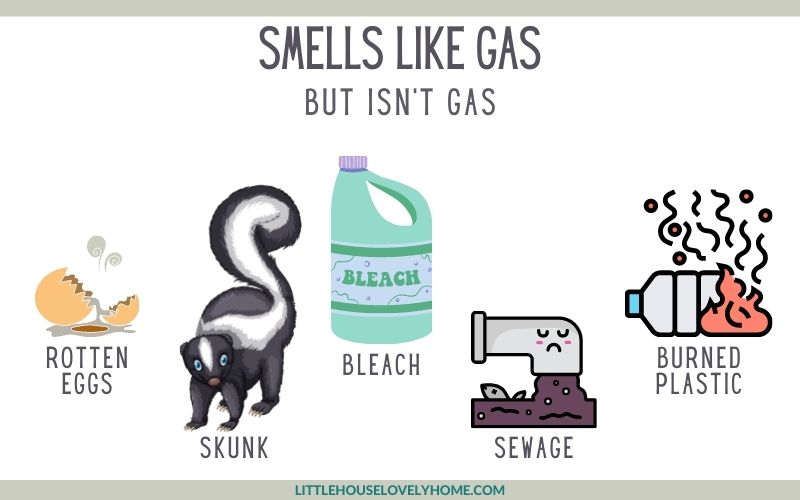
Let's talk about something truly important. Something that keeps us safe. But also, something that causes a tiny bit of disagreement. We've all heard it, right? Gas leaks smell like rotten eggs. That's the official word. It's what they teach you. It's in all the pamphlets. But here's my slightly scandalous, not-so-secret secret. Are you ready?
Sometimes, a gas leak smells like… a skunk. Yes, I said it. You might be nodding your head right now. Or maybe you're raising an eyebrow. But deep down, you know I'm not entirely wrong. It’s an unpopular opinion, perhaps. But it’s an opinion many of us share, even if we whisper it.
The Official Story: Rotten Eggs
Okay, let's give credit where credit is due. Natural gas itself is odorless. That’s why gas companies add a special scent. It’s called ethyl mercaptan. Fancy name, right? Its job is to smell really, really bad. So bad that you notice it immediately. And the experts say it smells like rotten eggs. Think about that science class experiment. Or maybe a really old, forgotten lunch.
Must Read
That smell is deliberate. It’s there to protect us. It’s a genius idea, truly. A built-in alarm system for our noses. So, we're all supposed to sniff the air, detect that distinct sulfuric, eggy pong, and call for help. Simple, right? But life, and smells, are rarely that simple.
But What About That Skunk?
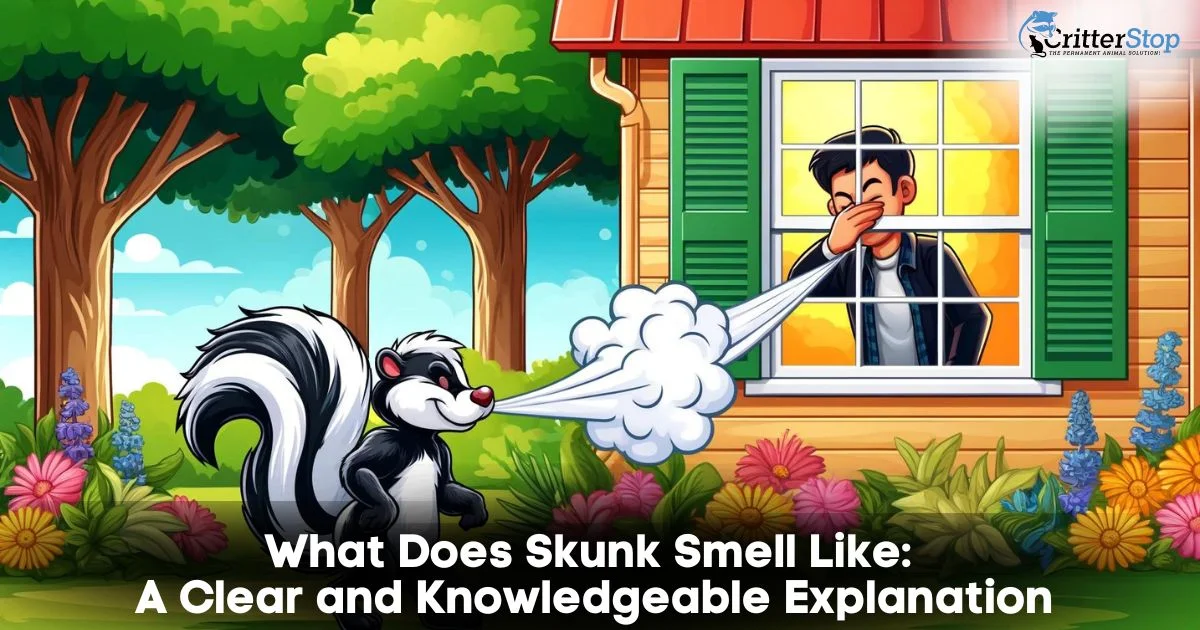
Now, let's get to the real meat of the matter. The skunk. You’re driving down the road. Suddenly, that unmistakable aroma hits you. That powerful, pungent, eye-watering blast. Your first thought? “Oh no, I just ran over a skunk.” Or maybe, “A skunk sprayed nearby.” It’s a very specific kind of terrible smell. A smell that makes you crinkle your nose and maybe even cough a little. It’s hard to ignore. It demands your attention.

But then, sometimes, you don't see a skunk. You look around. Nothing. No furry, striped critter in sight. You might even pull over and scan the ditch. Still no sign of the little stinker. And the smell? It persists. It follows you. And a little voice in the back of your head pipes up. A small, nagging whisper:
“Could it be… gas?”
Many of us have been there. That moment of doubt. That internal debate. Is it a wild animal with terrible aim? Or is it something far more serious hiding just out of sight? The truth is, the two smells, while perhaps chemically different, often register similarly in our brains. Especially when we're trying to figure out what that awful smell is. It's almost as if our brain has a 'Danger Stench' folder, and both the real skunk and the gas leak get filed under similar sub-categories within it.
Our Noses Are Tricky Detectives
Maybe it’s because both smells are intensely strong. Both are meant to warn us. A skunk's spray says, “Stay away!” A gas leak's smell says, “Danger!” Our brains are hardwired to pay attention to these things. And maybe, just maybe, in the panic or the surprise, our brains group all "intense bad warning smells" into a similar category.

Think about it. You get a whiff of something truly awful. Your brain doesn’t immediately pull out a chemical spectrometer. It just screams, “BAD! DANGER! EW!” And sometimes, that "bad danger ew" register clicks right into the "skunk" category. It's a powerful, memorable, and unique bad smell. So, it becomes a kind of default setting for other intense, unfamiliar bad smells.
Some even suggest there are shared chemical compounds. Not identical, mind you. But enough overlap that our human noses, which aren't always perfect, get confused. It’s like how some people think cilantro tastes like soap. It’s all about individual perception. And with strong smells, that perception can be wildly different from person to person.

What's the Takeaway? Trust Your Nose (and Call for Help!)
So, what's the big lesson here? It's not about proving gas companies wrong. It's about safety. Whether you smell rotten eggs or you smell a skunk that isn't there, the message is the same. An unusual, strong, foul smell should always get your attention. Your nose is your first line of defense.
Don’t second-guess yourself. Don’t wait for a striped animal to appear. If your gut, or rather, your nose, tells you something is off, listen to it. Err on the side of caution. It's always better to be safe than sorry. A quick phone call is much better than ignoring a potential danger.
So, next time someone proudly declares, "Gas smells like rotten eggs!", you can smile knowingly. You can agree, of course. But you’ll have a secret. A little piece of common wisdom that isn’t quite so common. Because for many of us, that potent, unmistakable whiff that demands immediate action? Yeah, sometimes it’s the ghost of a skunk. And that's perfectly okay. Just make sure to call the gas company anyway!