Can A Gas Leak Make You Sick

Ever walked into your kitchen and thought, "What in the name of all that is holy is that smell?" You sniff around like a bloodhound on a mission, past the questionable leftovers, past the forgotten gym socks, until BAM! You hit it. That distinct, funky aroma that screams, "Houston, we have a problem!" Often, it's just a rogue onion or a forgotten piece of broccoli staging a pungent protest. But sometimes, that smell is a little more serious. We’re talking about natural gas.
Now, the big question that often pops into our heads, usually somewhere between "Is that a gas leak?" and "Should I open a window or run screaming?", is:
Can a gas leak actually make you sick?
The "Rotten Egg" Perfume: Your Nose's Warning System
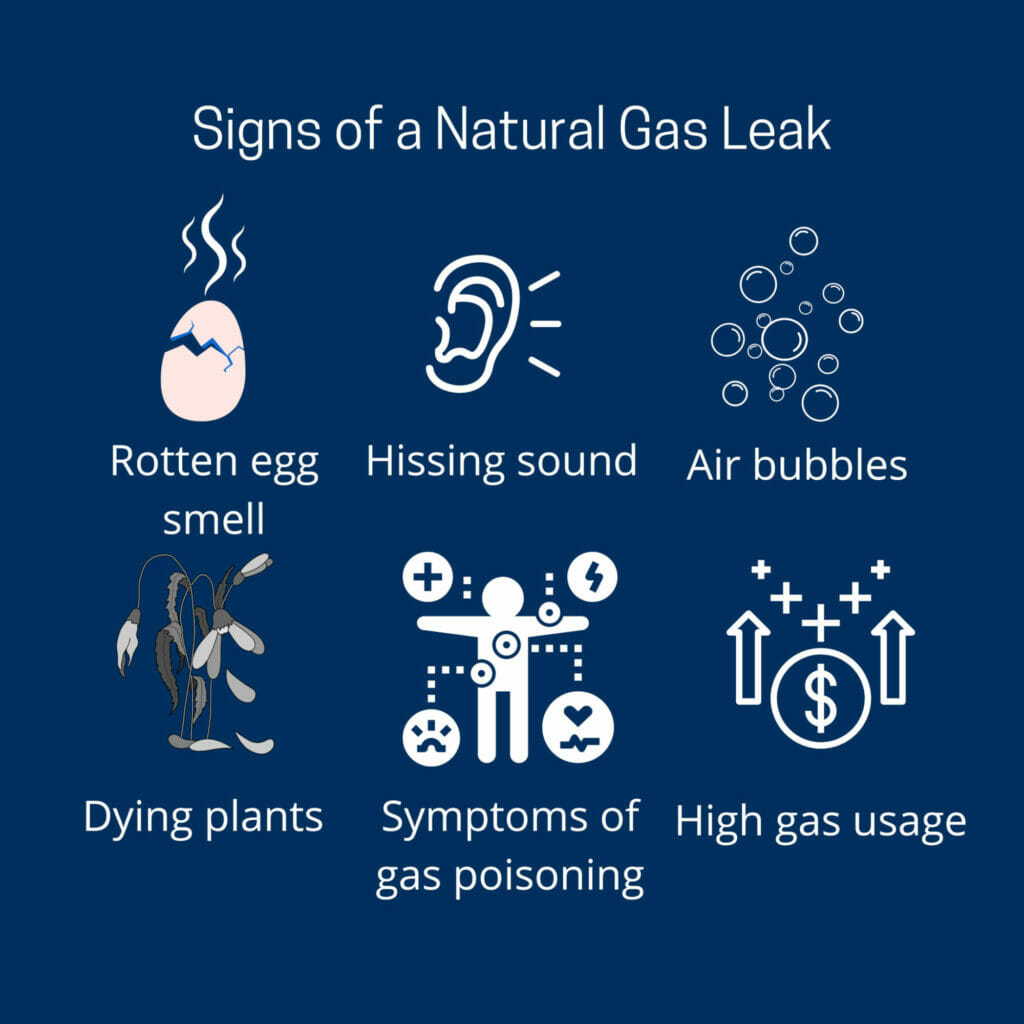
First things first, natural gas itself is a bit of a sneaky ninja – it's naturally odorless and colorless. But thankfully, the brilliant folks who pipe it into our homes aren't fans of surprise attacks. So, they add a special something called mercaptan. Think of mercaptan as the gas equivalent of a blaring fire alarm, but for your nose. It smells like rotten eggs doing a tango with old garlic – basically, something you definitely want to investigate. It’s their way of saying, "Hey! Pay attention!"
Must Read
When Your Body Says, "Hold On A Sec!" (Mild Exposure)
So, you get a whiff. Maybe a small leak, nothing major. You might start feeling a bit... off. Like you've had one too many spinny rides at the fair, or perhaps you've been trying to solve a particularly baffling crossword puzzle all day. A mild headache might creep in, a touch of nausea, or just a general sense of "meh." It’s your body politely (or not so politely) tapping you on the shoulder and saying, "Psst, something's not quite right here, chief."
This isn't just your imagination playing tricks on you because of the funky smell. When you breathe in natural gas, it can reduce the amount of oxygen reaching your cells and interfere with their normal function. For some, even a low-level exposure can cause these subtle symptoms. It’s like when you stay up too late binge-watching that new show – you just feel a bit sluggish and mentally foggy the next day.

When Things Get Less "Meh" and More "Uh-Oh!" (Moderate to Severe Exposure)
But if that leak decides to throw a bigger party, or if you've been breathing it in for longer than a TikTok scroll session, things can get a bit more dramatic. We're talking full-on dizziness – like the room is doing a slow-motion hula dance. Fatigue hits you like a weighted blanket on a hot day. You might feel proper sick to your stomach, or even find yourself stumbling a bit, like you've suddenly forgotten how to adult properly.
Severe or prolonged exposure to natural gas can displace even more oxygen in your lungs and bloodstream, leading to more serious issues. This is your body escalating its warning system from a tap to a full-blown siren. Symptoms can include severe headaches, intense nausea and vomiting, disorientation, mood changes, loss of coordination, and even loss of consciousness. It’s definitely not a good time.
A Quick Word About Carbon Monoxide: The Silent Stalker
Now, let’s quickly clear up a common misconception, because this one’s a biggie. We’re talking about natural gas leaks here. But there's another sneaky character in the "gas that makes you sick" lineup: Carbon Monoxide (CO). Think of CO as the silent, invisible assassin. It doesn't have that rotten egg perfume. It's odorless, colorless, and incredibly dangerous.
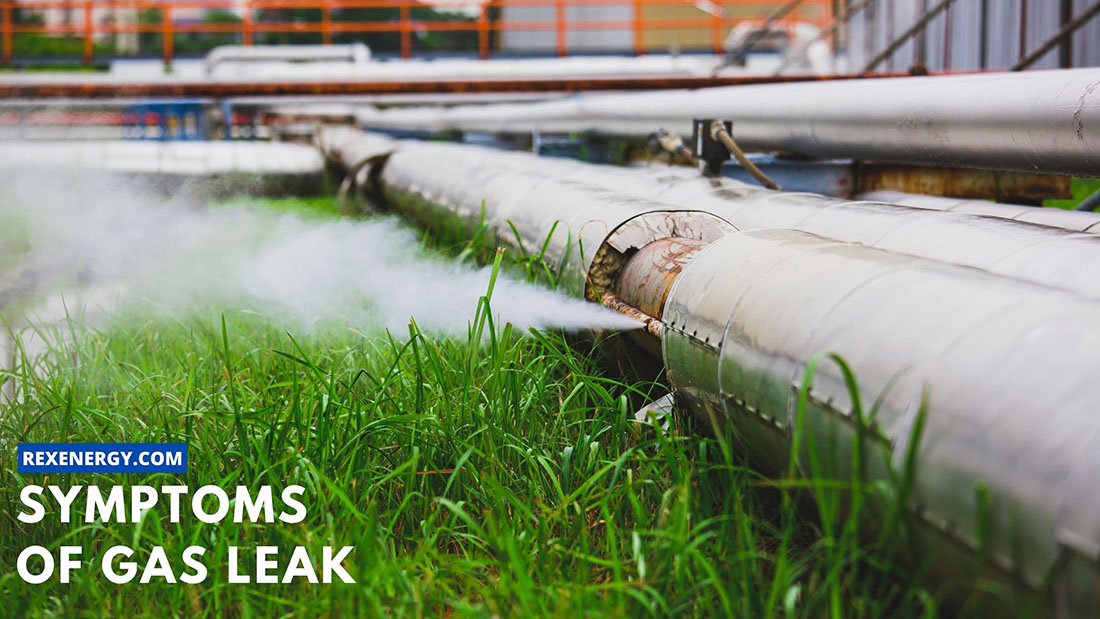
CO is usually produced when fuels like gas, oil, wood, or charcoal don't burn completely – like from a faulty furnace, a blocked chimney, or a car running in a closed garage. Symptoms of CO poisoning can mimic the flu (headache, dizziness, nausea) but without the fever. It’s so dangerous because you don’t smell it, so you often don’t know it’s there until it’s too late. So, while both can make you very ill, they're different beasts. Always have a CO detector!
Your Game Plan When the Smell Strikes
So, what’s the golden rule? If you smell gas, that rotten egg funk that won't quit, don't play detective. Don't light a candle to "see better" (please, please don't). Your best move is to get out, and then call.

Fresh air is your best friend. Get yourself, your pets, and anyone else out of dodge. Then, from a safe distance, call your gas utility company or 911. They'll send someone over faster than you can say "eggy smell" to sort it out. Think of them as the gas-leak Ghostbusters, ready to bust that bad gas.
The Takeaway: Trust Your Nose!
So, yes, a gas leak can absolutely make you sick. From a mild "I feel a bit wobbly" to a serious "Houston, we need an ambulance," it's not something to sniff at (pun intended). But the good news is, thanks to that lovely mercaptan and our own keen sense of smell, we usually get a pretty good heads-up.
So, trust your nose, stay safe, and remember: if it smells like a dozen rotten eggs trying to escape your house, it’s probably time to step outside and make a phone call. Your health (and your nose) will thank you!