Can A Fan Make Your Room Hotter
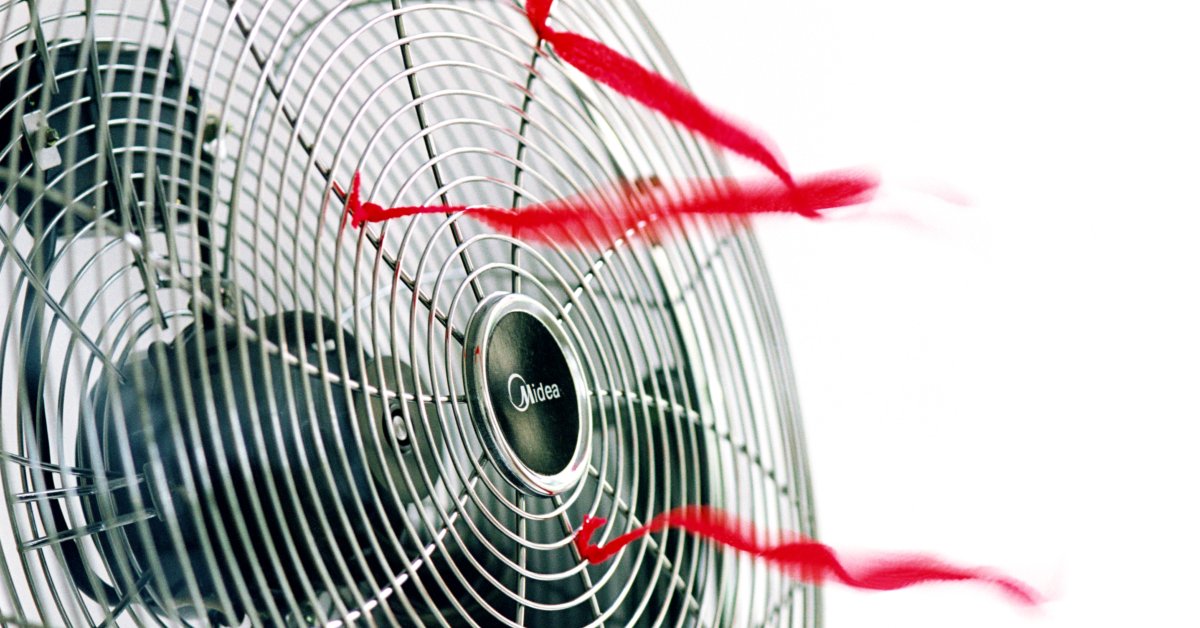
Ah, the gentle hum of a fan on a sweltering day. It’s one of those simple pleasures, isn't it? The sun beats down, the air hangs heavy and still, and then—whoosh!—a blessed breeze sweeps across your skin. Whether it’s a tiny desk fan valiantly battling the office heat, a powerful box fan strategically placed in a window, or the stately, rhythmic sweep of a ceiling fan, these unassuming devices are often our first line of defense against summer’s sweaty embrace. They bring an immediate, tangible sense of relief, transforming muggy stagnation into something breathable and, dare we say, refreshing.
So, we love our fans for that instant comfort. But here’s a question that often sparks a surprisingly heated debate around the water cooler: Can a fan actually make your room hotter? It sounds counter-intuitive, doesn't it? After all, we turn them on to feel cooler!
The core purpose of a fan is deceptively simple: it doesn't cool the air itself. Instead, a fan works by moving air around. This movement serves a couple of brilliant purposes for our everyday comfort. Firstly, and most importantly, it creates a wind-chill effect on your skin. Your body cools itself by sweating, and as that sweat evaporates, it takes heat with it. A fan speeds up this evaporation process, making you feel significantly cooler, even if the actual air temperature in the room remains unchanged. It’s like stepping out of a shower and feeling that immediate chill as the air hits your wet skin – same principle! Secondly, fans help with air circulation, breaking up pockets of stagnant, warm air and making a stuffy room feel much fresher and less oppressive.
Must Read
Now, about that "hotter" question. Technically, yes, the electric motor inside a fan does generate a tiny bit of heat as it operates. It's a fundamental law of physics: energy conversion isn't 100% efficient, and some energy is always lost as heat. So, if you were to run a fan in a perfectly sealed, insulated room for a very long time without anyone present, the room's temperature would indeed slightly increase. But here's the crucial part: this minuscule increase in ambient temperature is almost always negligible compared to the powerful cooling effect the fan has on your body. When you're in the room, the fan is making you feel cooler, and that's its primary, beneficial job.

To enjoy your fans even more effectively, here are some practical tips:
- Point it at yourself: Fans cool people, not rooms. Make sure the breeze is hitting you directly for maximum relief.
- Strategic window placement: If it's cooler outside than inside (e.g., in the evening), place a fan facing inward in a window to draw cool air in. If it's hotter outside, place it facing outward to push hot air out.
- Ceiling fan direction matters: In summer, run ceiling fans counter-clockwise to push air down, creating a cooling breeze. In winter, run them clockwise on a low speed to gently pull cool air up and push warm air down from the ceiling, helping to circulate heat.
- Pair with AC: Fans can help circulate the air cooled by your air conditioner, allowing you to set your thermostat a few degrees higher and save energy without sacrificing comfort.
- Turn them off when you leave: Since fans cool people, there's no point in running them in an empty room. You're just wasting electricity!
So, next time you switch on your fan, rest assured that while its motor might be adding a whisper of warmth to the universe, it's doing a magnificent job of making you feel wonderfully cool. Embrace the breeze!