
Can A Carbon Monoxide Detector Go Off For No Reason

Picture this: you're cozied up at home, maybe binging your favorite show or finally tackling that stack of laundry. Everything is peaceful, serene, utterly normal. Then, out of nowhere, BEEP! BEEP! BEEP! Your trusty carbon monoxide detector goes off, screaming its urgent alarm into your calm evening.
Your heart leaps into your throat, a mix of panic and utter confusion. Carbon monoxide? Here? Now? You frantically sniff the air, but there's no smell. You scan the room, but see no smoke, no fire, no obvious danger. Your mind immediately goes to, "Is this thing broken? Did it just go off for no reason?"
The Mystery Beep: Is Your Detector Just Being Dramatic?
That sudden, piercing alarm is designed to get your attention, and boy, does it ever succeed! It transforms a peaceful moment into an instant scramble of "What do I do?!" and "Is this real life?!" It's a sound that stops you dead in your tracks, making your pulse quicken.
Must Read
Your first thought, quite naturally, is often, "Is this for real, or is my gadget just having a moment?" It feels like your vigilant little guardian is crying wolf, right? But hold on a minute before you declare it a drama queen. There’s almost always a method to its beeping madness, even if it’s a tiny bit theatrical.
Scenario 1: It Was CO, You Just Didn't Know It!
Let's get real for a second: carbon monoxide is the silent villain, the invisible guest you absolutely never want to invite. It has no smell, no taste, no color, and frankly, it's a bit of a ninja among gases. It can sneak into your home unnoticed by human senses, which is precisely why your detector is such an absolute superstar.
Your CO detector isn't just a gadget; it's basically your home's personal superhero with a super-sniffing nose, catching whiffs of danger long before you ever could. So, when it shrieks, it's highly probable it's picking up on something, even if your human nose and eyes are completely clueless.
The Stealthy Culprits
Think about some common, yet easily overlooked, sources. Did you, perhaps, let your car idle in the attached garage for a few minutes too long this morning? A leaky exhaust pipe can send a surprising amount of exhaust into your living space, and your detector won't miss it!
Or what about that trusty furnace that's been humming along all winter? A sneaky flue that's seen better days, or a tiny crack in the heat exchanger, could be letting minuscule amounts of CO escape. It's not always a massive, dramatic leak; sometimes it's a slow, insidious seep.

That cozy fireplace, while lovely, needs to vent perfectly. If the flue isn't fully open, or if it's a bit clogged, CO can backdraft into your room. Even a BBQ grill brought a little too close to an open window or door can send wisps of carbon monoxide drifting inside, triggering the alarm.
These are all real CO sources, even if they seem minor or temporary. Your detector isn't being dramatic; it's simply being extra vigilant. It’s like your best friend pointing out a spider you totally missed – annoying in the moment, but ultimately incredibly helpful!
Scenario 2: The "Imposter" Alarms (Cross-Sensitivity)
Okay, sometimes your detector isn't finding a full-blown CO party; it's just getting a little overexcited. It might pick up on things that smell or act like CO to its sensitive sensor, even if they're not the real deal. Think of it like a highly-trained guard dog barking at the mailman – not a threat, but certainly a commotion!
Many CO detectors use electrochemical sensors, which are incredibly precise but can sometimes be a tad sensitive. They might react to certain chemicals that mimic CO's molecular structure, or simply overwhelm the sensor with their own potent presence. It's a case of mistaken identity, but from a very well-meaning gadget.
When Other Gases Join the Party
Did you just deep-clean your kitchen with a super-strong, industrial-strength floor cleaner? The fumes from strong cleaning agents can be surprisingly potent and contain volatile organic compounds (VOCs) that momentarily confuse the sensor. It’s like a blast of strong perfume to its delicate nose!
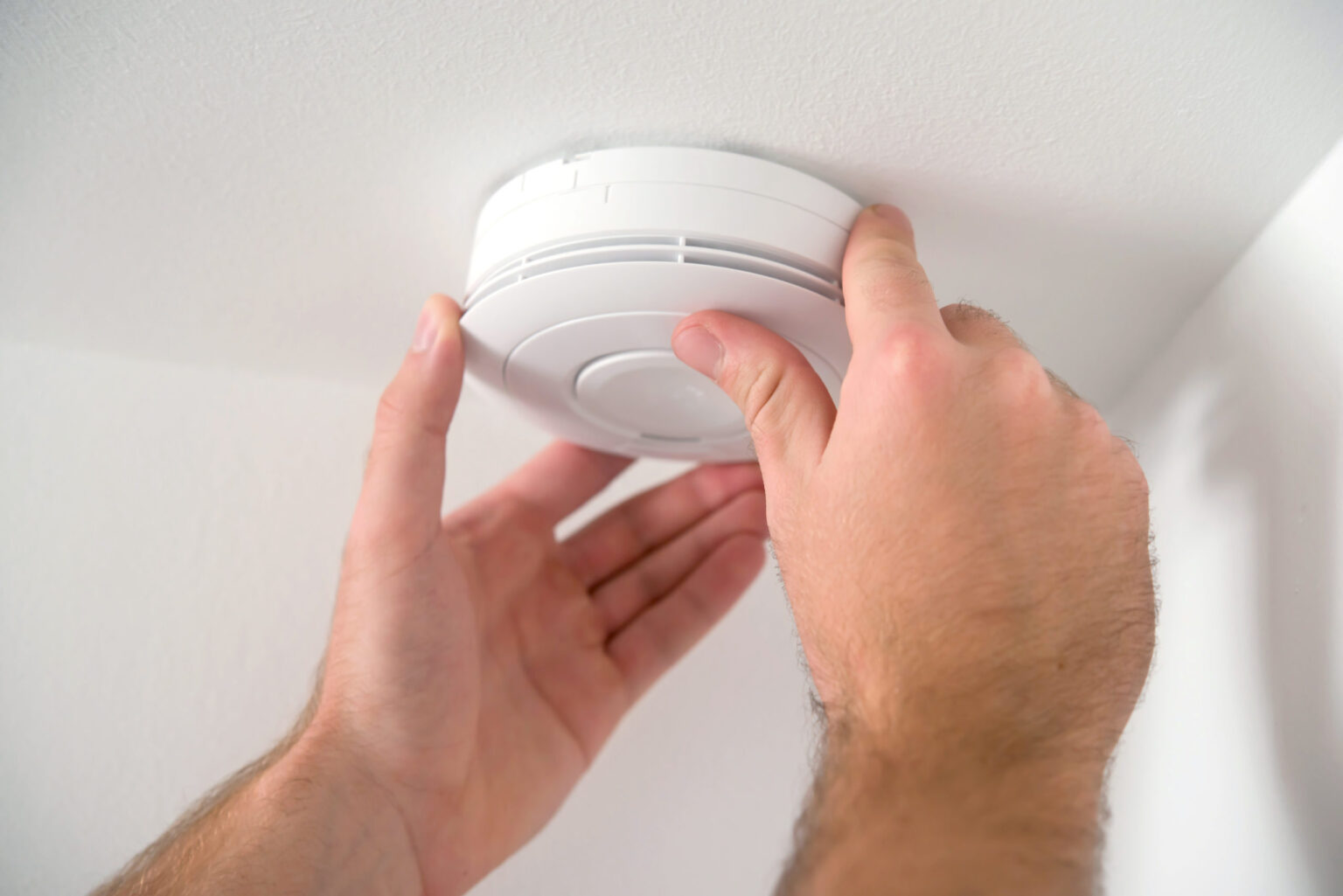
Painting the living room a fabulous new shade of sapphire? Those fresh paint fumes, rich in VOCs, are another common culprit. Even a huge burst of hairspray, some nail polish removers, or certain air fresheners can send your detector into a momentary tizzy. It just can't quite tell the difference between "fresh scent" and "potential danger."
Environmental factors can also play a role in making your detector a little disoriented. High humidity, especially in steamy bathrooms, or extreme temperature swings (think a very cold night followed by a sudden warm spell) can sometimes interfere with the sensor's delicate balance. It's not lying, it's just having a moment of mistaken identity.
Give it a break; your detector is just trying its very best to protect you from anything remotely suspicious. It's better for it to be a little jumpy than totally oblivious, right?
Scenario 3: The Detector Itself is Having a Moment (Malfunctions/End of Life)
Even superheroes need their rest, and sometimes, your trusty detector isn't actually detecting CO at all; it's simply telling you it needs some attention. These aren't "false alarms" in the sense of detecting nothing, but rather signals about the device's own health and operational status.
It's important to remember that these gadgets, like all electronics, have a lifespan and maintenance needs. Sometimes, the alarm is actually a polite (or not-so-polite) heads-up that it's time for some care or a well-deserved retirement.

The Chirps and Groans
The classic low battery chirp is perhaps the most common "false alarm" culprit. It's often a softer, more intermittent sound than a full CO alarm, usually one short chirp every 30-60 seconds. This isn't a CO alert; it's a polite plea for a fresh set of batteries, a cry for energy to continue its vigil.
Then there's the dreaded end-of-life signal. Every CO detector has a limited lifespan, typically 5-7 years, marked clearly on the back of the unit. When it reaches its expiration date, it basically says, "My watch has ended!" with a distinct series of beeps and often a flashing light. It’s not broken; it’s just gracefully retiring, like a beloved veteran superhero hanging up their cape after years of vigilant service.
Dust bunnies, cobwebs, and even tiny insects can sometimes clog up its little vents, making the detector grumble or trigger a sporadic alert. A quick, gentle vacuuming can sometimes solve this. Even a power surge or a sudden jolt can make it throw a temporary fit, causing its internal calibration to waver.
So, it's not truly going off for "no reason." It's going off for a device reason, a little heads-up from the hardware itself. Pay attention to its specific beeps and blinks – your manual is your best friend here!
What to Do When It Beeps
Okay, so your CO detector has made its presence known. What’s the immediate game plan? Don't panic, but do act swiftly and smartly. Your safety is always the top priority.
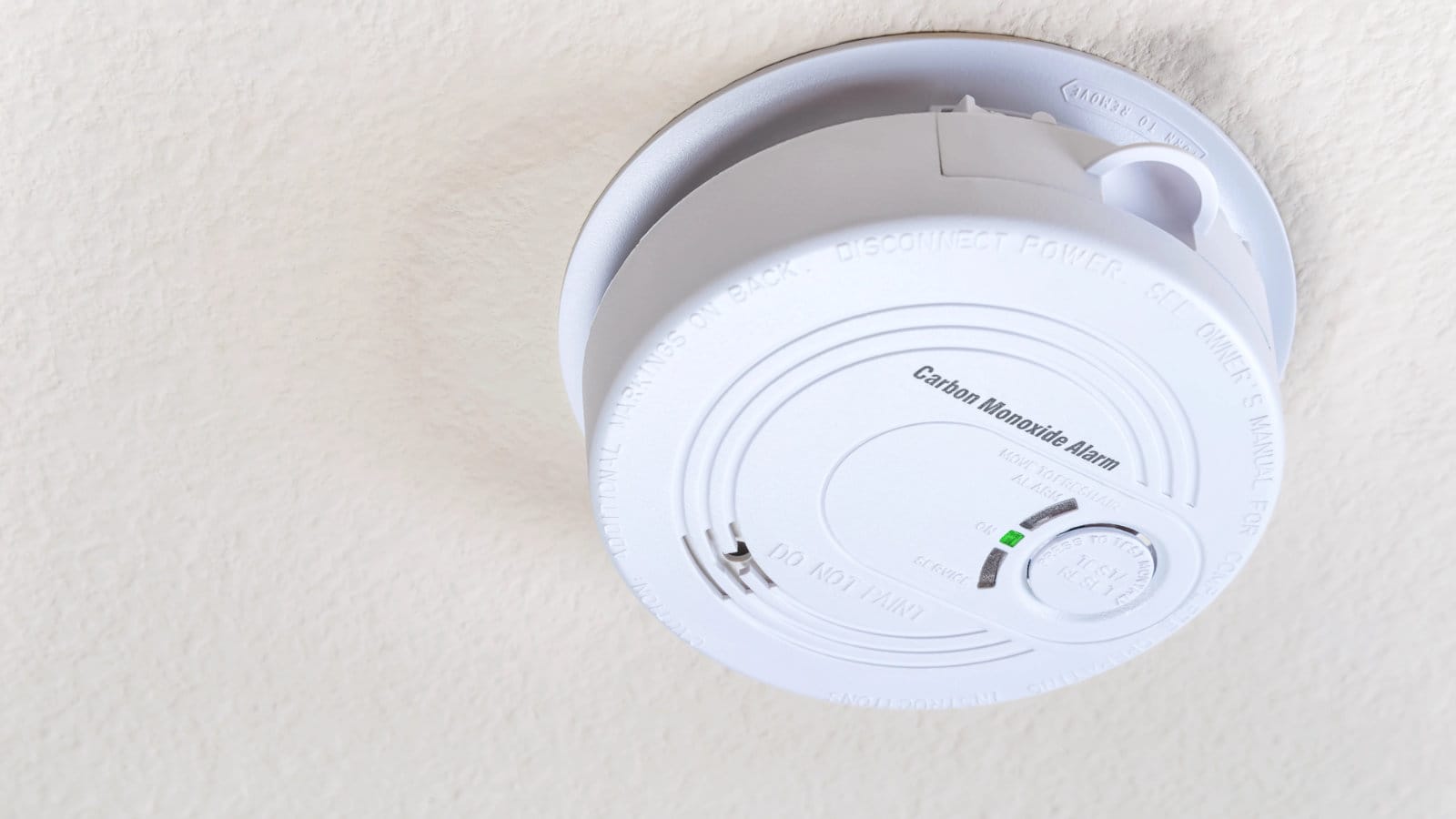
First rule: ventilate! Open those windows and doors like you’re airing out a secret. Get everyone (and pets!) outside into fresh air immediately. Better safe than sorry, always, even if it feels like an overreaction.
Once you’re safely outside, try to identify the source. Think about recent activities – did you just use a strong chemical? Did you start your car in the garage? Check your fuel-burning appliances (furnace, water heater, stove, fireplace) for anything unusual. If you can pinpoint an obvious cause like fumes, let the house air out thoroughly.
If you can't pinpoint a harmless reason, or if the alarm persists even after ventilation, do not hesitate. Call the fire department or a qualified HVAC technician. They have the real fancy sniffers and expertise to accurately assess the situation. Remember this mantra:
"When in doubt, air it out and call it out!"
Embrace the Beep!
So, can a carbon monoxide detector go off for "no reason"? Not really, no. It’s either doing its job perfectly by detecting the invisible threat, getting hilariously confused by similar-smelling substances, or gently (or not-so-gently) telling you it's time for maintenance or a well-deserved retirement.
It's your home's incredibly sensitive, sometimes dramatic, but always dedicated guardian. Embrace its quirks! It’s far, far better to have a detector that’s a little too cautious than one that misses a real threat. A "false alarm" is annoying, but a missed alarm can be catastrophic.
Keep those batteries fresh, know its lifespan, and give it a little virtual pat on the back for being such a hero. It’s there to protect you and your loved ones, and that, my friends, is a truly beautiful and comforting thing.