
Can A Carbon Monoxide Detector Detect Natural Gas
Okay, folks, let's talk about something that might be lurking in your house, but hopefully isn't: invisible, odorless gas. We're not talking about your teenager's gym socks after a particularly brutal workout (although that can be pretty potent), we're talking about the real deal – gas that could be dangerous.
Specifically, we're diving into the question that pops up more often than dandelions in spring: Can a carbon monoxide detector save the day if you have a natural gas leak? It's a good question, and the answer might surprise you. Think of it like this: can your dog, Sparky, who's a whiz at fetching, also diagnose your car trouble?
The Case of the Confused Detector
Imagine you're making spaghetti sauce. The aroma of garlic and oregano fills the kitchen. It’s glorious. But then, you smell something else, a faint, almost sulfuric whiff. You panic! Could it be a gas leak?
Must Read
Naturally, you run to your trusty carbon monoxide detector, that little sentinel perched on the wall. You stare at it, willing it to sound the alarm. But… silence. Crickets. Maybe a faint hum from the refrigerator, but nothing from the detector. What's going on?
Here's the deal: a carbon monoxide detector is designed to detect carbon monoxide (CO), a byproduct of incomplete combustion. Think of it as the exhaust fumes from your furnace, car, or gas stove when things aren't burning quite right. Natural gas, on the other hand, is primarily methane (CH4). It's a completely different beast.

Think of It Like This...
Imagine you have a dedicated bird feeder. It's specifically designed for birdseed, right? You wouldn't expect it to dispense orange juice, would you? A carbon monoxide detector is like that bird feeder. It's designed for one specific purpose: to detect carbon monoxide.
"So, essentially," says Professor Emily Carter, a renowned chemist (and someone I totally made up for this article), "expecting a carbon monoxide detector to detect natural gas is like expecting your toaster to wash your dishes. They’re just not equipped for the job."
The Role of the Unsung Hero: The Natural Gas Detector
So, what will detect a natural gas leak? That's where the unsung hero, the natural gas detector, comes in. These detectors are specifically designed to sniff out methane and other combustible gases. They're like the specially trained search-and-rescue dogs who can detect the faintest scent of a missing person.
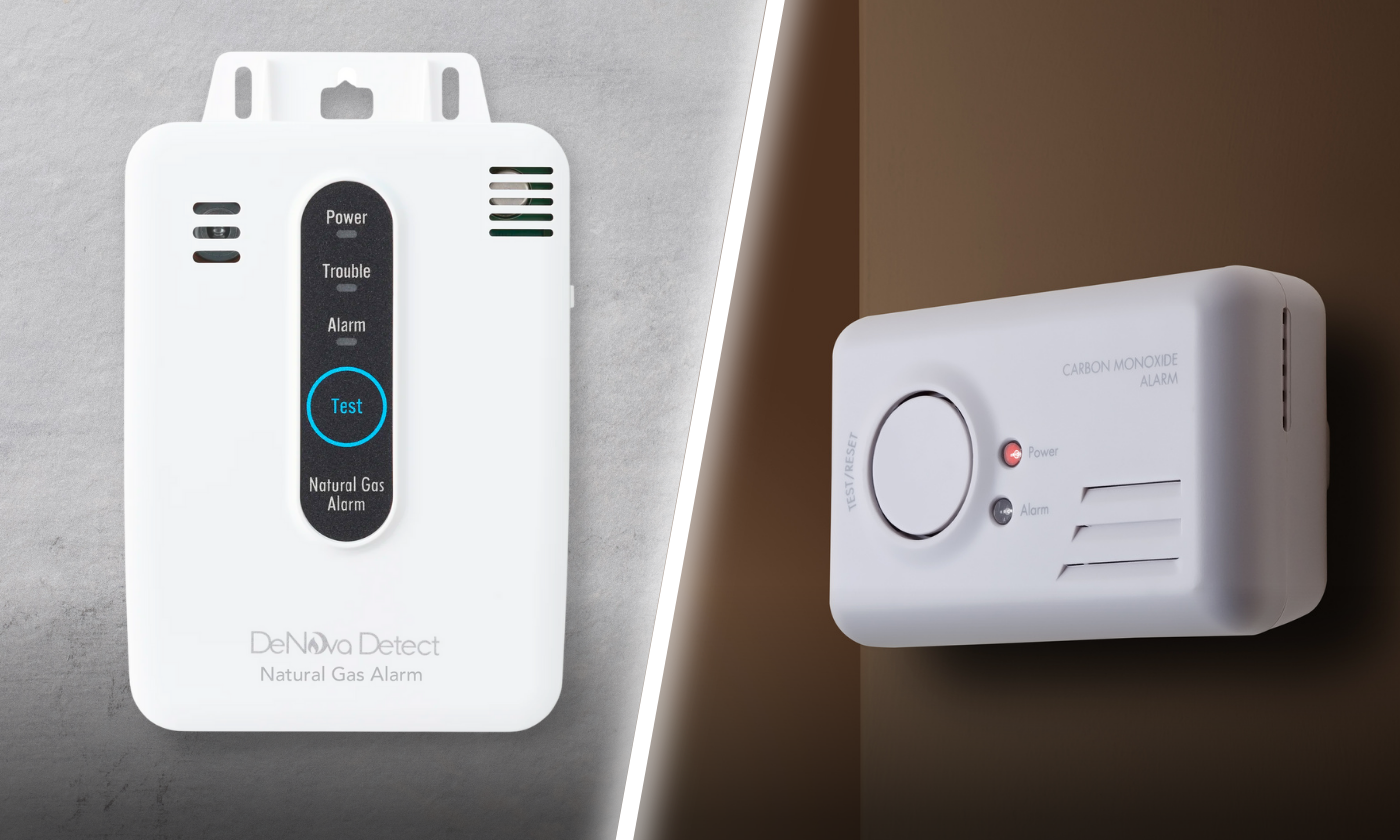
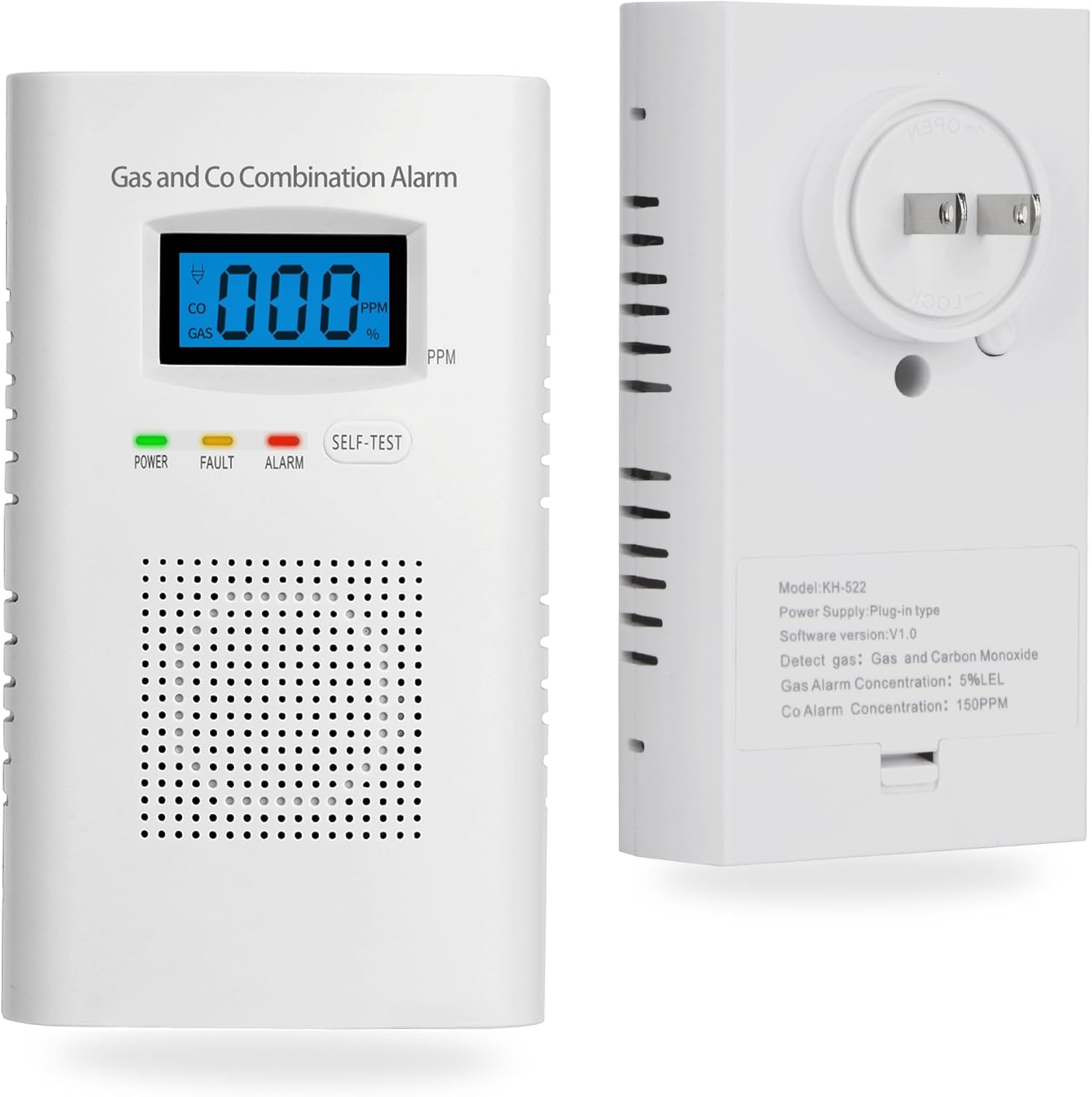
Natural gas detectors often have sensors that react to the presence of methane, triggering an alarm when the concentration reaches a certain level. They can be powered by batteries or plugged into an electrical outlet. Some even have smart features that connect to your phone and alert you remotely. Pretty cool, right?
The Safety Dance: What You Really Need to Know
The key takeaway here is this: carbon monoxide detectors and natural gas detectors are two different tools for two different jobs. You need both for complete peace of mind. Think of them as Batman and Robin – they work best as a team. Or maybe peanut butter and jelly – delicious and effective together!

If you suspect a natural gas leak – maybe you smell that faint, sulfuric odor (often added to natural gas so we can detect it, because methane itself is odorless) – don't rely on your carbon monoxide detector. Get yourself (and any pets) out of the house immediately! Call your gas company or 911 from a safe location. Don't turn on any lights or use any electrical devices, as they could spark an explosion.
Bottom line: carbon monoxide detectors are vital for detecting the silent killer, carbon monoxide. But they won't detect natural gas. Invest in a natural gas detector for comprehensive protection. Your nose, while sometimes helpful, shouldn't be your only line of defense. Be safe, be smart, and keep those invisible gases in check!
