Can A Carbon Monoxide Detector Detect Gas Leak

Okay, let's talk about something that sounds super serious, but we'll keep it light. Think of it like this: your carbon monoxide (CO) detector is like your super-sensitive, slightly dramatic friend. It's always on the lookout for trouble, specifically carbon monoxide. But what about other dangers lurking in your home, like, say, a gas leak? Can your CO detector be your all-in-one superhero?
The short answer? Nope. Sorry to burst your bubble, but it's not a one-stop shop. Thinking a carbon monoxide detector can detect a gas leak is like expecting your toaster to do your laundry. They're both appliances, they both use electricity (usually!), but their jobs are wildly different. And you'd be wearing some pretty crispy clothes if you tried to toast them.
Why the Confusion?
Now, I get why some people might think they're interchangeable. Both carbon monoxide and natural gas (the kind that usually leaks) are invisible and odorless in their pure form (natural gas has a smell added to it, more on that later). They're both silent killers, in a way. But that's where the similarities more or less end.
Must Read
Imagine them as spies. Carbon monoxide is the super sneaky spy who tries to infiltrate your bloodstream and knock you out without you even realizing it. It's a byproduct of incomplete combustion, meaning it shows up when things like your furnace, stove, or car engine aren't burning fuel completely. That's why you need the CO detector – to catch this silent infiltrator. I remember once thinking the batteries in my CO detector were just going bad because it kept beeping late at night. Turns out, the furnace was acting up and slowly poisoning my house! Scared me half to death.
Natural gas, on the other hand, is more like a clumsy spy who trips over the furniture. While it's naturally odorless, utility companies add a chemical called mercaptan to it, which smells like rotten eggs or sulfur. This is your warning system! The gas company wants you to know immediately if there is gas leak. They want to prevent any explosions.
So, What Detects Gas Leaks?
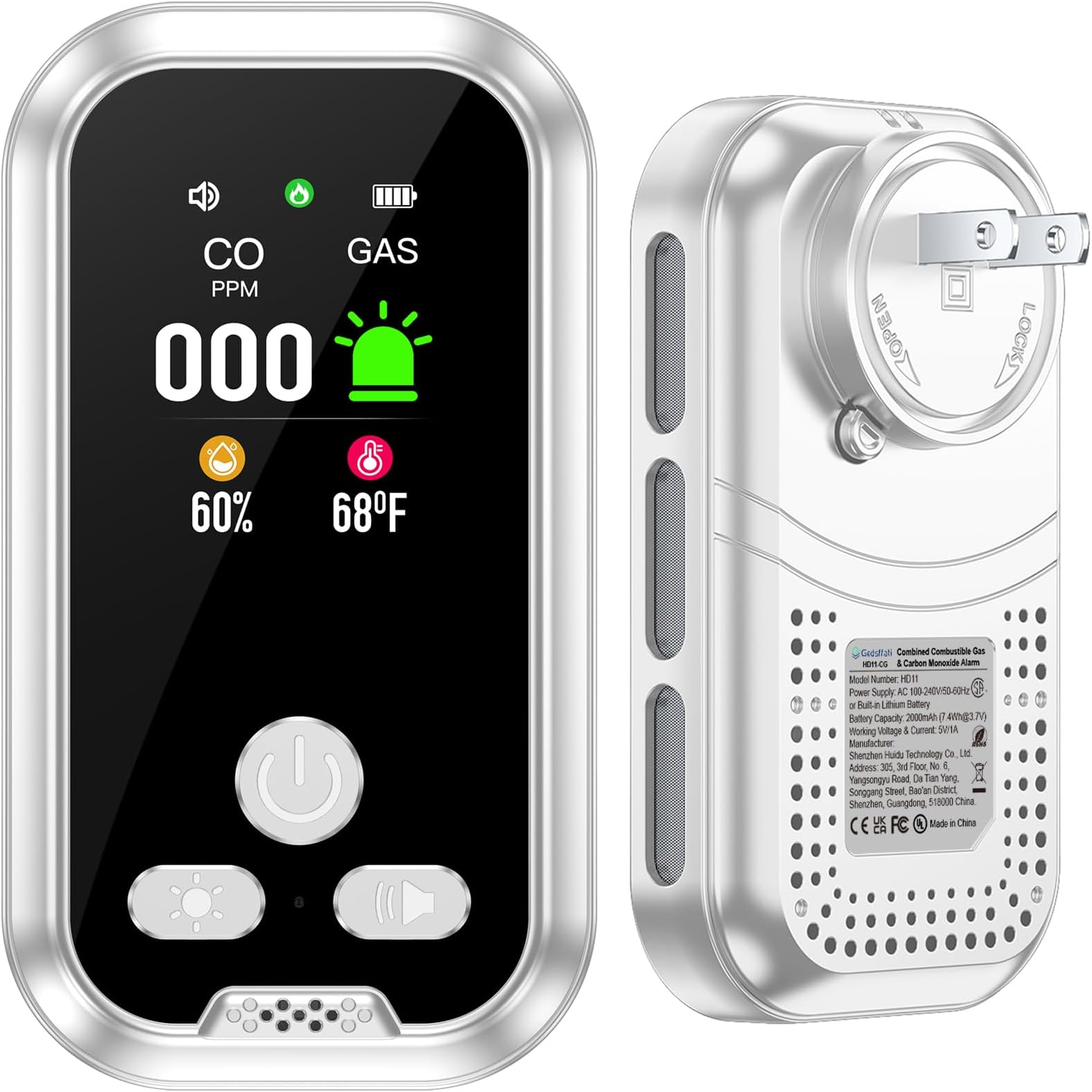
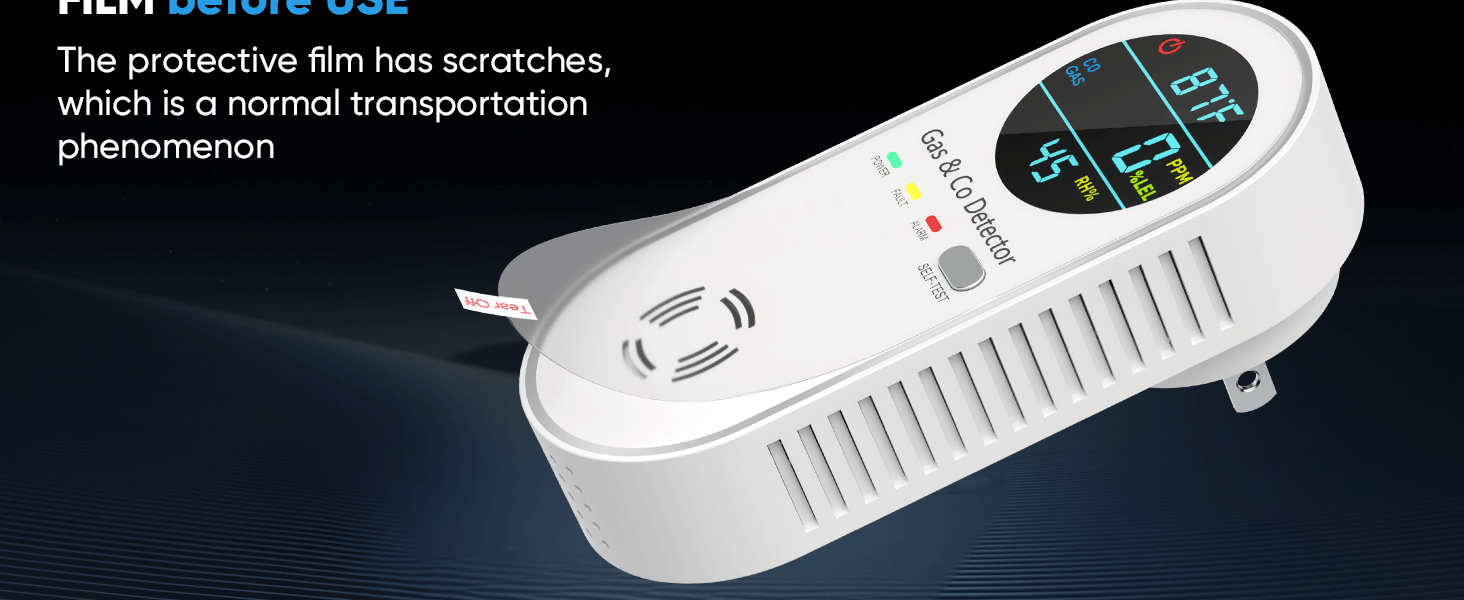
Here's where we bring in the specialized equipment. You need a natural gas detector. These detectors are designed to sense the presence of methane (the main component of natural gas) or propane in the air. They're not looking for carbon monoxide; they're sniffing out the distinct chemical signature of gas.
Think of it as hiring the right specialist for the job. You wouldn't call a plumber to fix your electrical wiring, right? Same deal here. Carbon monoxide detectors are masters of carbon monoxide detection, while natural gas detectors are the gas leak gurus.
The Rotten Egg Smell: Your First Line of Defense
But remember that stinky egg smell? That's actually your best early warning system. If you smell that, even if you don't have a gas detector, take it seriously. Don’t light any matches, don’t flip any light switches (seriously!), and get out of the house immediately. Call your gas company or the fire department from a safe location.
I once thought my neighbor was just making a particularly potent batch of deviled eggs (yuck!). Turns out, it was a small gas leak. We all learned a valuable lesson that day: always trust the egg smell.
The Takeaway
So, to recap: your carbon monoxide detector is a lifesaver when it comes to detecting carbon monoxide, but it won't help you sniff out a gas leak. For that, you either need a dedicated natural gas detector, or, more importantly, to trust your nose and that distinctive rotten egg smell. Stay safe, and don't confuse your appliances!