Can A 2000 Watt Generator Run A Refrigerator

Okay, picture this: it’s a sweltering summer day, the power’s out (again!), and your fridge is starting to sound like it's singing a sad, melting song. You’ve got a 2000-watt generator sitting in the garage, looking all hopeful and ready to rumble. The big question? Can this bad boy actually keep your precious ice cream from turning into soup?
The short answer is: probably, but let’s dig a little deeper. It's not always a simple yes or no. Think of your refrigerator as that friend who says they’re low-maintenance but actually require a whole song and dance just to keep them happy.
Understanding the Fridge Beast
Refrigerators, bless their cold little hearts, are notorious for something called a startup surge. This is basically a power spike they need when the compressor kicks on – the muscle that keeps things icy cool. It’s like when you try to start your car on a freezing morning, it takes a bit more juice than usual. That initial surge can be two, even three times the running wattage of your fridge.
Must Read
So, while your fridge might nominally require only 150-200 watts to keep humming along, that startup surge could be anywhere from 600 to 1800 watts! It's sneaky, I know. Like finding out your "gluten-free" bread still has trace amounts of wheat. Deceptive!
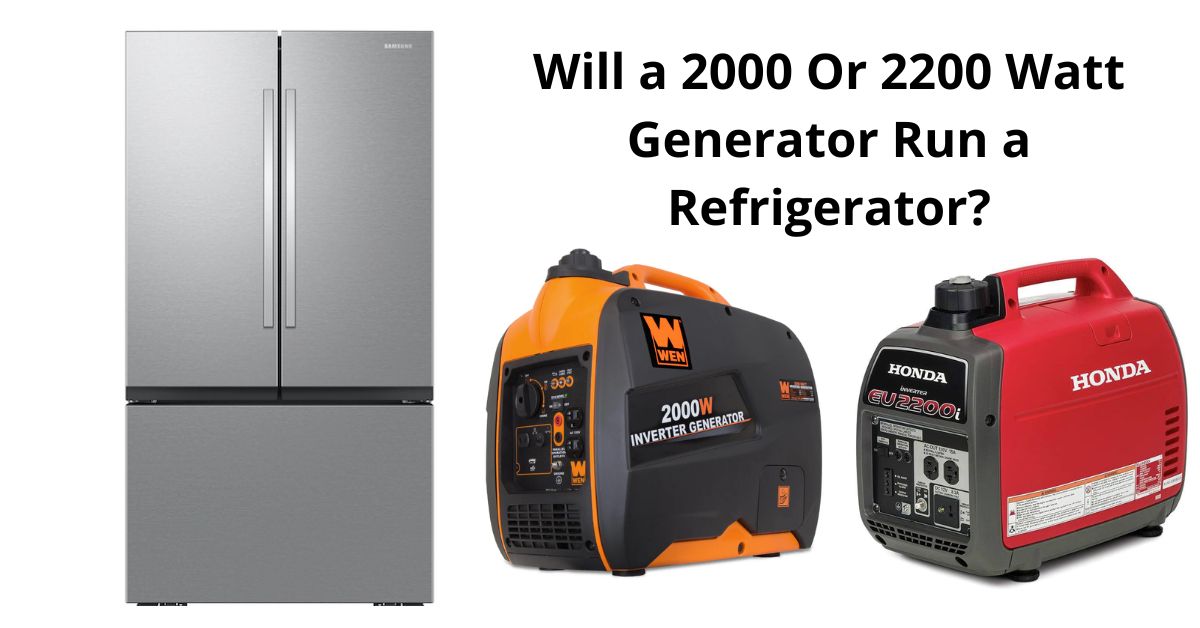
The 2000-Watt Generator: Is it Up to the Task?
Now, a 2000-watt generator seems like a decent amount of power, right? Like enough to run a small air conditioner or a whole bunch of fairy lights. And it is! But you need to make sure it can handle that initial refrigerator surge. Think of it like this: your generator is a strong weightlifter. It can consistently lift a certain weight (running wattage). But that initial surge is like trying to lift a suddenly much heavier weight.
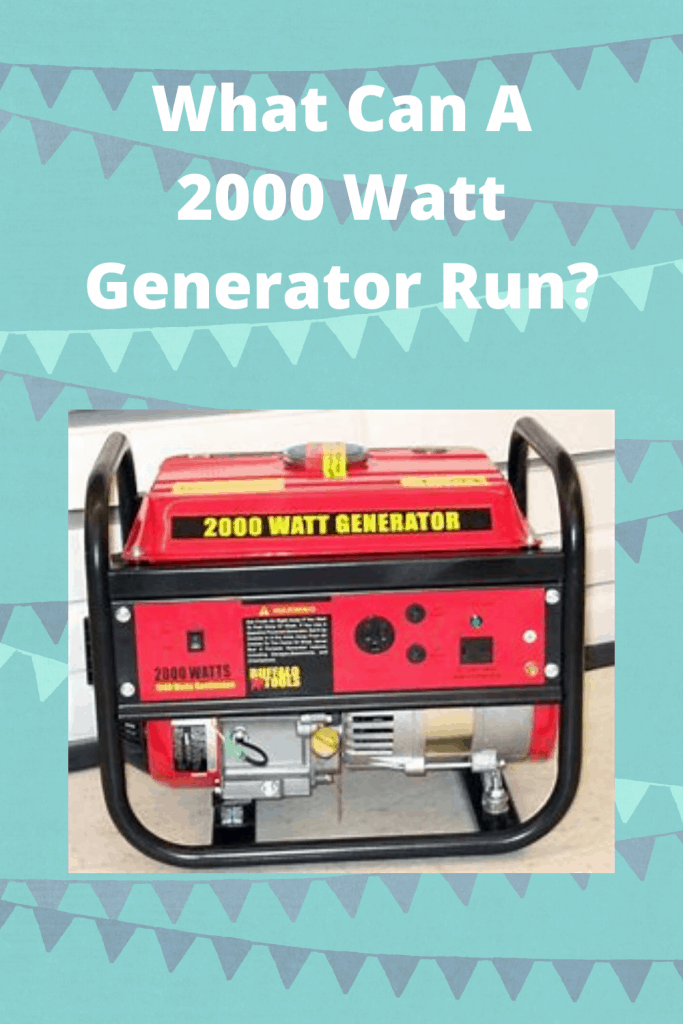
Here’s where it gets tricky. Not all 2000-watt generators are created equal. Some are "peak" 2000 watts, meaning they can handle that for only a very short time. You want to look for a generator that has a continuous rating of close to 2000 watts. This will give you more wiggle room for that startup surge.
Tips and Tricks for Fridge Survival
Okay, so you’re not entirely sure if your generator is quite up to the task? Don't panic! We can still stack the odds in your favor:
- Minimize Fridge Openings: Every time you open the door, that compressor has to work harder to cool things back down. Channel your inner ninja and grab what you need quickly. Pretend you’re diffusing a bomb and every second counts.
- Don’t Overload It: Don’t try to run the fridge, the TV, and the blender all at once. Prioritize! Fridge first, Netflix later. It is a sacrifice, but a delicious sacrifice, indeed.
- Consider a Soft Start Kit: These nifty devices gradually ramp up the power to the compressor, reducing that initial surge. It's like giving your fridge a gentle pep talk instead of a sudden jolt.
- Pre-cool the Fridge: If you know a power outage is coming (like during a hurricane), turn your fridge down to the coldest setting beforehand. This gives it a head start. Think of it as carb-loading before a marathon… for your refrigerator.
In conclusion, whether a 2000-watt generator can run your refrigerator depends on a few things, including the fridge's surge wattage and the generator's continuous power rating. But with a little planning and some clever strategies, you can probably keep your ice cream safe and sound until the power comes back on. And that, my friends, is a victory worth celebrating… with a scoop of that (still frozen!) ice cream!