Calcium Is Stored In Muscle Within The

Ever wondered what makes you tick? Like, really tick? Beyond the morning coffee and the thrill of finding a matching sock after laundry day? Well, a tiny element called calcium plays a HUGE role, especially when it comes to flexing those muscles!
Calcium: Not Just for Strong Bones, Folks!
We all know calcium is the hero of healthy bones and teeth. Mom always told you to drink your milk, right? And she wasn’t wrong! But guess what? Calcium has a secret identity. It’s also a key player in how your muscles contract, allowing you to do everything from wiggling your toes to lifting that extra-large bag of groceries (you know, the one you swore you didn't need help with).
The Muscle-Calcium Connection: A Love Story
Think of your muscles as tiny, super-organized apartments. Inside these apartments live these protein filaments, let's call them "Actin" and "Myosin." These guys are always itching to hook up and create some movement. But they need a spark to get things going. And that spark? You guessed it: calcium!
Must Read
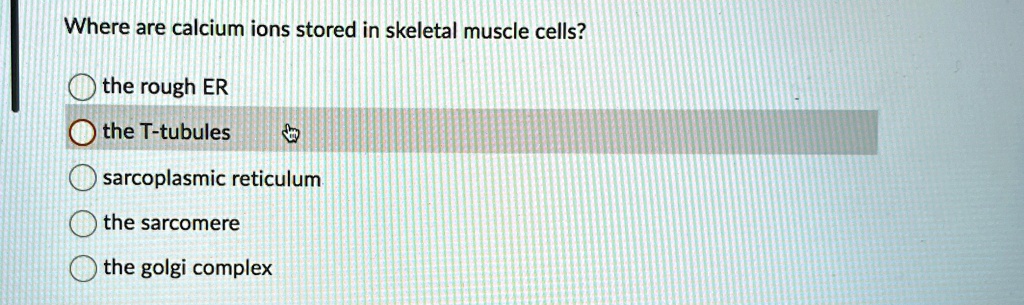
Here's the fun part: Within those muscle apartments (specifically, in a special storage unit called the sarcoplasmic reticulum – try saying that three times fast!), calcium is hanging out, just waiting for its moment to shine. When your brain sends the message to "MOVE!", it’s like ringing the doorbell of the sarcoplasmic reticulum and saying, “Delivery for Actin and Myosin!” This signal causes the calcium to flood out of its storage and rush towards the protein filaments.
"It's like throwing a rave inside your muscle! Calcium is the DJ, Actin and Myosin are hitting the dance floor, and the result? Pure, unadulterated MOVEMENT!"
This calcium rush is what allows Actin and Myosin to finally connect. They grab onto each other, slide past one another, and BAM! Your muscle contracts. You lift your arm, you take a step, you even blink your eyes! All thanks to the tiny dancers powered by calcium.

The Sarcoplasmic Reticulum: Calcium's Secret Hideout
So, this sarcoplasmic reticulum... what exactly is it? Think of it as a super-efficient, microscopic butler for your muscles. Its main job is to store calcium and release it on demand. When the muscle is resting, the butler carefully collects all the calcium ions and tucks them away. Then, when action is needed, it dramatically throws open the doors and releases the calcium flood. Talk about service!
It’s a pretty amazing system when you think about it. This tiny structure, hidden inside your muscle cells, is constantly managing the flow of calcium, ensuring your muscles are ready to respond at a moment's notice. It's like having a personal on-call fitness instructor living inside each of your muscles!
![[ANSWERED] At rest calcium ions are stored in the of the muscle cell](https://media.kunduz.com/media/sug-question-candidate/20231005162513383043-4469266.jpg?h=512)
What Happens When Calcium is a No-Show?
Imagine trying to throw a party without music. Or trying to make toast without bread. That’s what happens when your muscles don’t have enough calcium. Muscle cramps? Weakness? Feeling sluggish? It could be a sign your calcium levels are a bit low.
Of course, calcium deficiency is a complex issue, and it's always best to consult a healthcare professional. But ensuring you get enough calcium through your diet (think dairy, leafy greens, fortified foods) is generally a good idea for overall health and happy muscles. Plus, you can’t beat the satisfying feeling of a good stretch or a powerful workout, knowing that your muscles are working perfectly because of that calcium doing its thing!

So, next time you’re crushing a workout, dancing to your favorite song, or simply giving someone a high-five, remember the tiny calcium ions working tirelessly within your muscles. They’re the unsung heroes of every movement you make! Give those muscles a little love – and maybe a calcium-rich snack – for all their hard work.
Now go forth and flex! You’ve earned it. And remember, calcium is always there, ready to turn on the dance party inside your muscles!