Bypass Notches In Sheet Metal Stamping Dies
Sheet metal stamping is the unsung hero of modern manufacturing. From the chassis of your car to the enclosure of your smartphone, this process is responsible for creating countless everyday objects. But within the world of stamping, there are specialized techniques that deserve a spotlight – like bypass notches. Think of them as the secret agents of die design, ensuring smooth operations and preventing metal mayhem. Let's dive in!
What's the Big Deal About Bypass Notches?
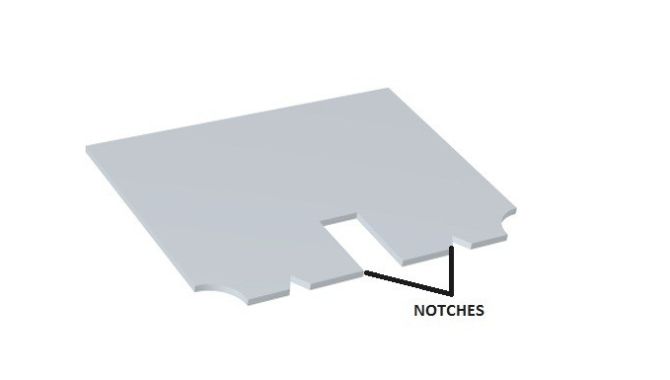
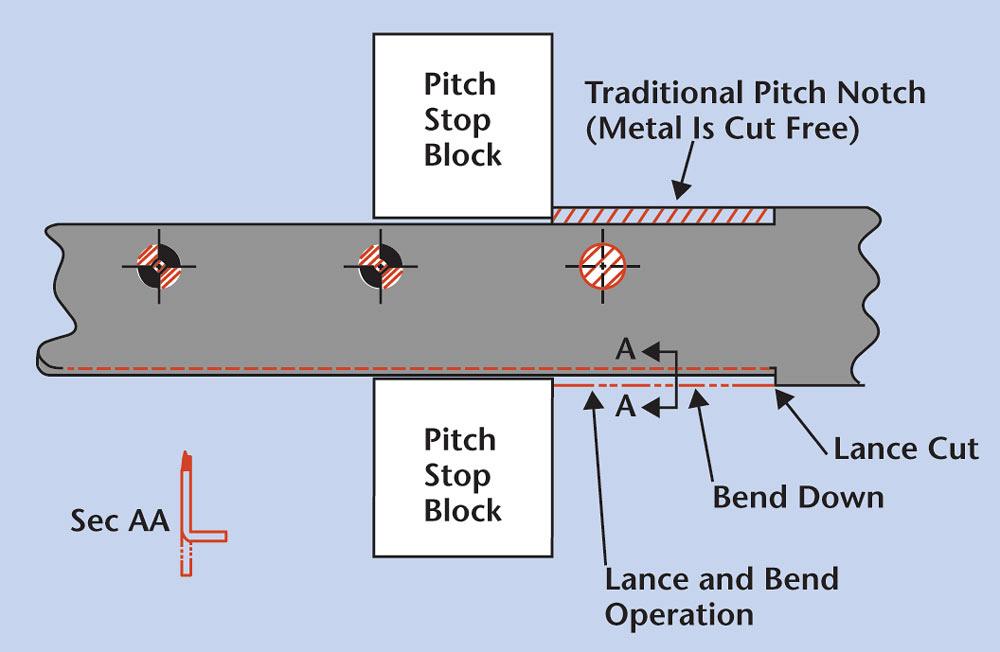
Imagine trying to fold a piece of paper perfectly without any creases or cuts. Tricky, right? That's where bypass notches come in. In sheet metal stamping, these strategically placed notches allow material to flow during bending and forming operations. Without them, the metal can tear, wrinkle, or develop unwanted stresses. Think of it like this: they're the tiny allowances that prevent your masterpiece from becoming a metal mangled mess.
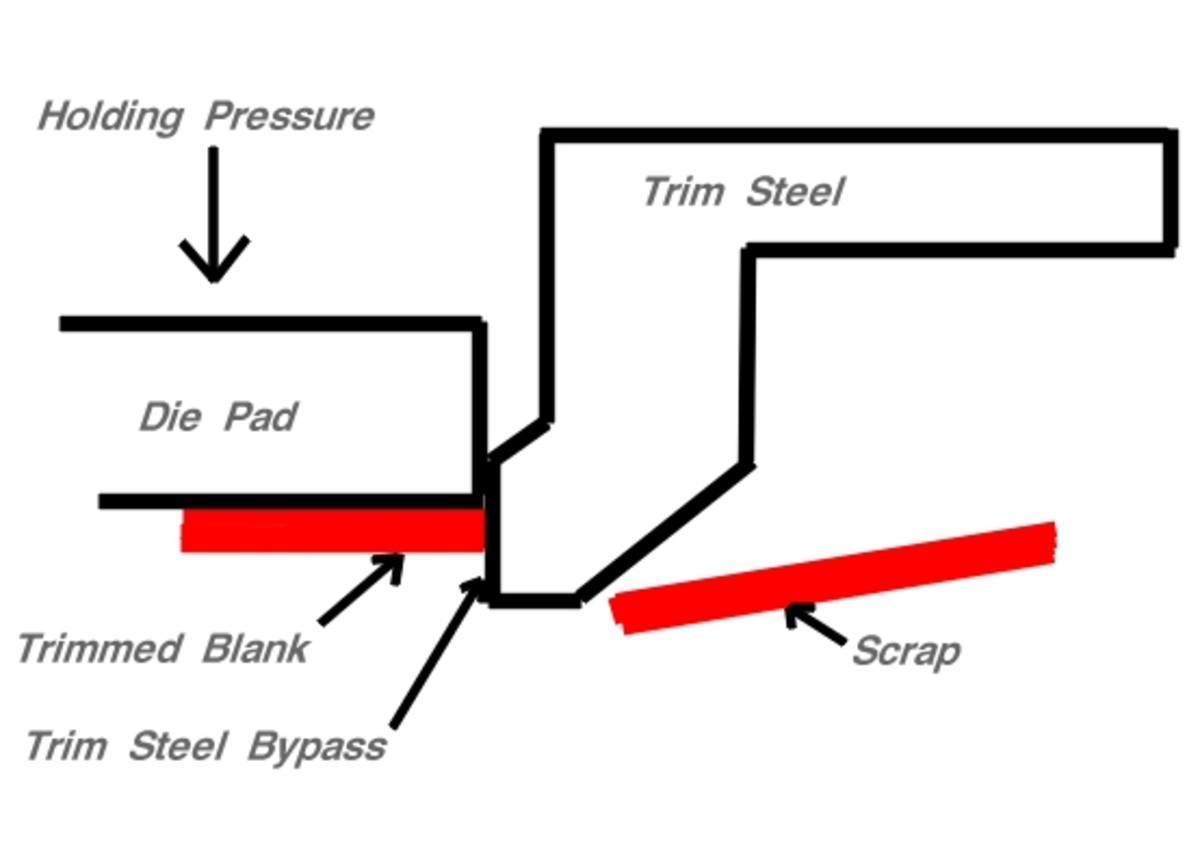
Why are they called "bypass" notches? Because they essentially allow the material to bypass the primary forming action, redirecting stress and preventing unwanted deformation.
Must Read
Spotting the Need: When Bypass Notches are Essential
Not every stamping operation requires bypass notches. So, how do you know when they're needed? Here's a quick guide:
- Complex Bends: When your design involves tight radii, sharp corners, or multi-stage bending, bypass notches are your best friend. They prevent the metal from bunching up or tearing during the deformation process.
- Material Thickness: Thicker materials are more prone to cracking and tearing during forming. Bypass notches provide the necessary relief to accommodate the higher stresses involved.
- High-Strength Alloys: Materials like stainless steel and high-strength aluminum alloys have lower ductility than mild steel. Bypass notches offer controlled deformation to avoid fracture.
Think of it like choosing the right tool for the job. You wouldn't use a hammer to screw in a nail, right? Bypass notches are the specialized tools for challenging forming scenarios.
Bypass Notch Design: The Devil's in the Details
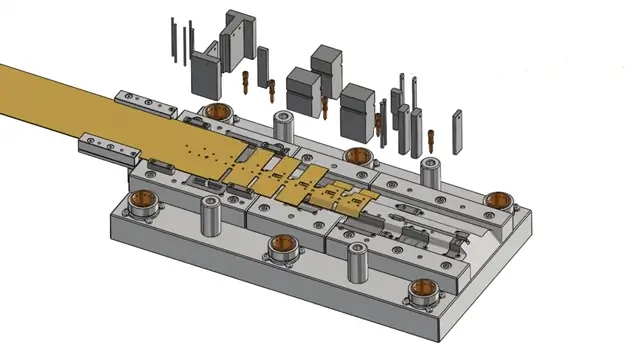
Designing bypass notches isn't just about randomly cutting slits into the sheet metal. It's an art and a science. Here are some key considerations:
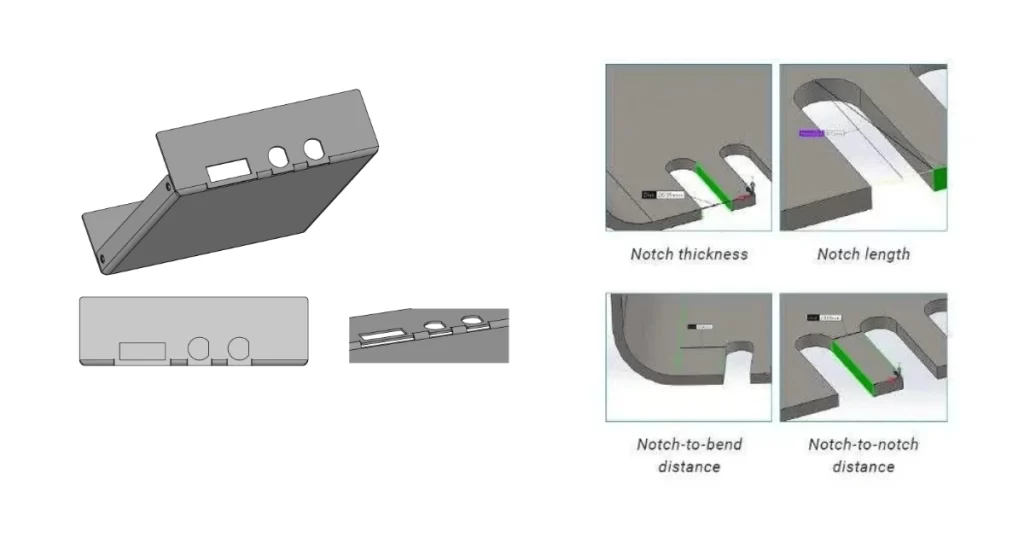
- Placement: The location of the notch is crucial. It should be positioned to relieve stress in the areas most prone to deformation. Careful analysis of the bending sequence and material flow is essential.
- Shape and Size: Notch shapes can vary – rectangular, triangular, or even custom contours. The size depends on the material thickness, bend radius, and the amount of material that needs to be accommodated.
- Quantity: Sometimes, one well-placed notch is enough. Other times, multiple notches are needed to achieve the desired result. It's all about balancing stress relief with structural integrity.
Pro-Tip: Simulate the stamping process using software to optimize notch placement and size. This helps catch potential problems before they arise in the physical die. It's like having a crystal ball for your metal forming process!
Cultural Relevance: Bypass Notches in Everyday Life
While you might not see bypass notches labeled as such, the underlying principle is all around us. Consider the perforated lines on a sheet of stamps or the pre-cut creases in a cardboard box. These are essentially simplified forms of bypass notches, designed to control tearing and facilitate folding.
Think about the expansion joints in bridges and roads. They aren't exactly notches, but they serve a similar purpose: to allow for movement and prevent stress buildup caused by temperature changes. The Golden Gate Bridge, for instance, is a testament to the importance of accommodating movement and stress.
A Final Reflection
Bypass notches in sheet metal stamping remind us that even in seemingly rigid systems, flexibility and adaptability are crucial for success. Just like these small cuts allow metal to bend without breaking, we too need to find ways to adapt and navigate the stresses of life. Sometimes, a little 'give' can prevent a whole lot of 'break'. Embrace the bypass notch mentality – find those areas where you can yield a little, allowing for smoother transitions and a more resilient outcome.