Bypass Notches In Sheet Metal Forming Stamping Dies
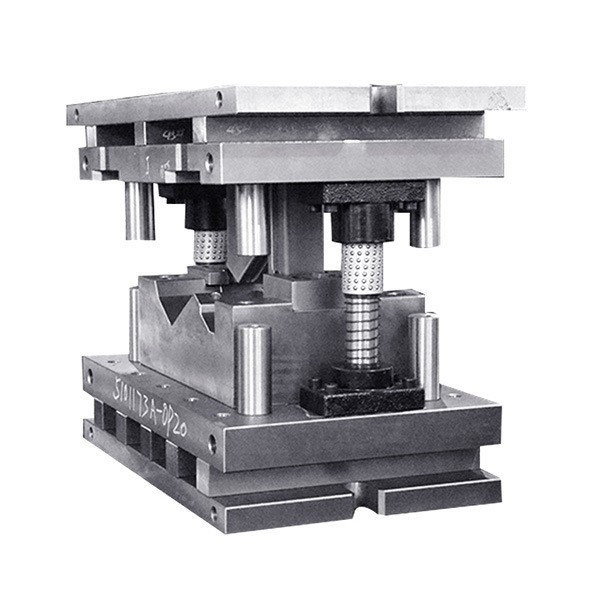
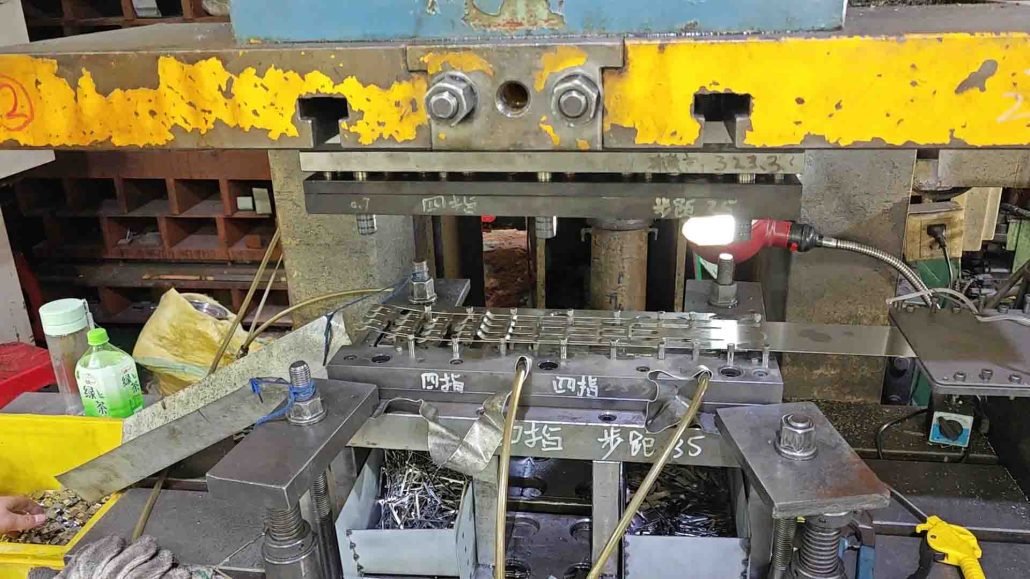
Ever peeled an orange in one continuous spiral, trying to get that perfect, unbroken rind? That’s the kind of precision we're talking about, but instead of oranges, imagine metal sheets. And instead of a paring knife, think… a really, really powerful, precisely engineered hammer. That's sheet metal forming, folks! And those little "bypasses" on the edges? Well, that's where the story gets interesting.
Now, picture this: you’re trying to stamp out a metal part – maybe the housing for your toaster, or the side panel for your car. You need a crisp, clean edge, but there's this pesky little notch you have to navigate around. It’s like trying to parallel park a monster truck in a bicycle lane. Chaos, right?
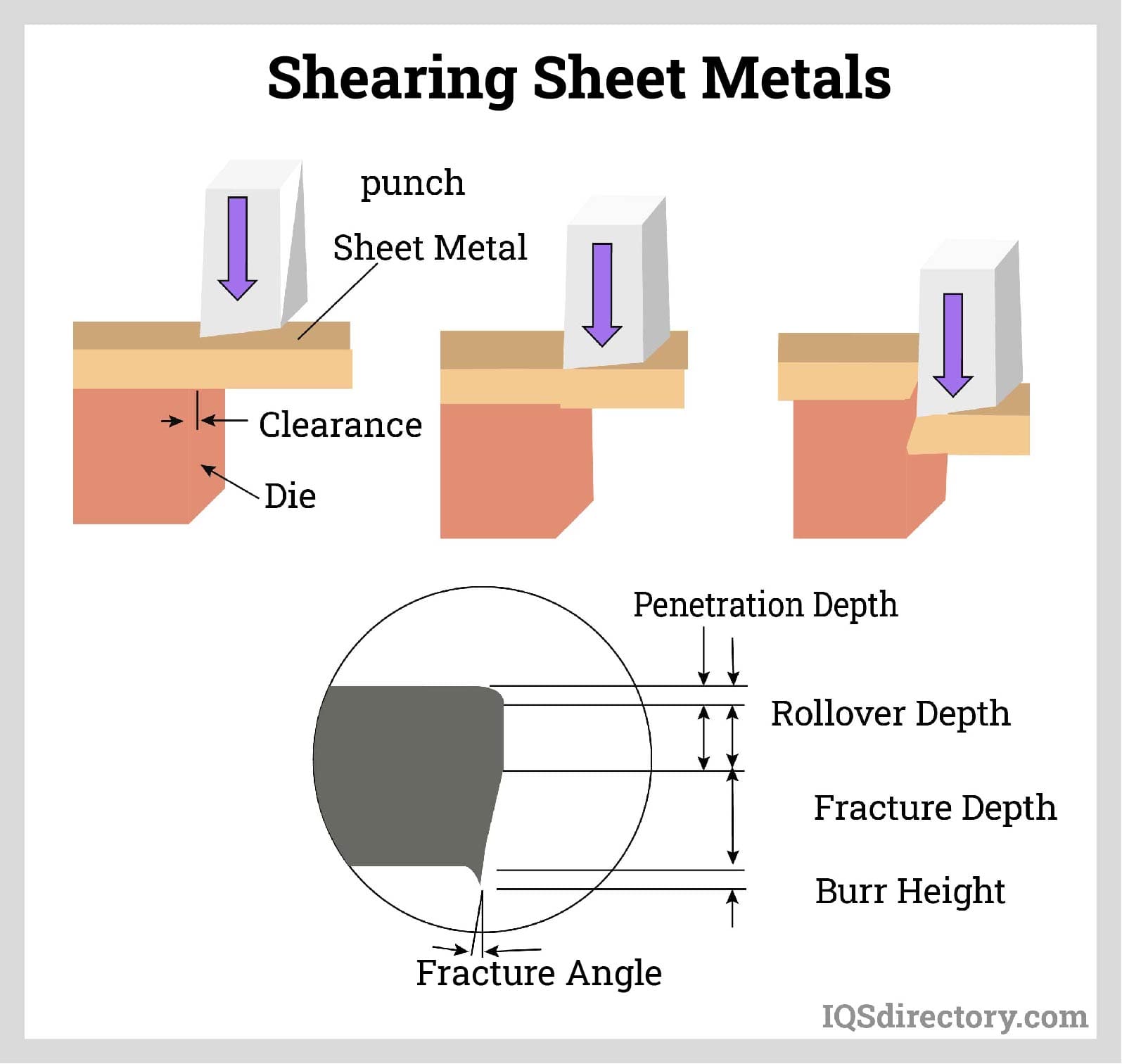
That’s where bypass notches come in. Think of them as carefully placed escape routes for the metal during the stamping process. They allow the metal to flow and stretch where it needs to, avoiding those dreaded wrinkles and tears that would make your toaster look like it went through a garbage disposal.
Must Read
The Art of Controlled Chaos
It sounds all very technical, but the truth is, designing these bypass notches is often as much art as it is science. It's like a chef knowing just the right moment to flip a pancake to avoid a sticky disaster. Engineers spend hours agonizing over the size, shape, and placement of these tiny details. Too small, and you’re back to square one with crumpled metal. Too big, and you've weakened the entire structure, like punching too many holes in a colander.
There’s a surprising amount of trial and error involved. Imagine a room full of engineers, fueled by coffee and pizza, meticulously tweaking these notches by fractions of a millimeter, running test after test, watching the metal morph under immense pressure. It’s like watching a high-stakes sculpting competition, only the medium is steel and the tools are multi-ton stamping presses.

“The satisfying ‘thunk’ of a perfectly formed part after hours of tweaking a bypass notch is one of the best sounds in the world,” says Agnes Periwinkle, a veteran die designer at Acme Stampings. “It’s like hitting the engineering jackpot.”
The Unexpected Zen of Sheet Metal
What’s truly fascinating is the level of control these bypass notches offer. They allow for complex shapes and intricate designs that would be impossible without them. It's like learning a secret code to whisper to the metal, guiding it exactly where you want it to go. There’s almost a sense of…zen to it all. A peaceful understanding of the material's properties and how to manipulate them to achieve the desired result.
And let’s not forget the human element. Behind every perfectly stamped metal part is a team of dedicated individuals, pouring their knowledge and creativity into these seemingly insignificant details. They're the unsung heroes of manufacturing, ensuring that your toaster works, your car is safe, and your metal art project doesn't look like a crumpled soda can.
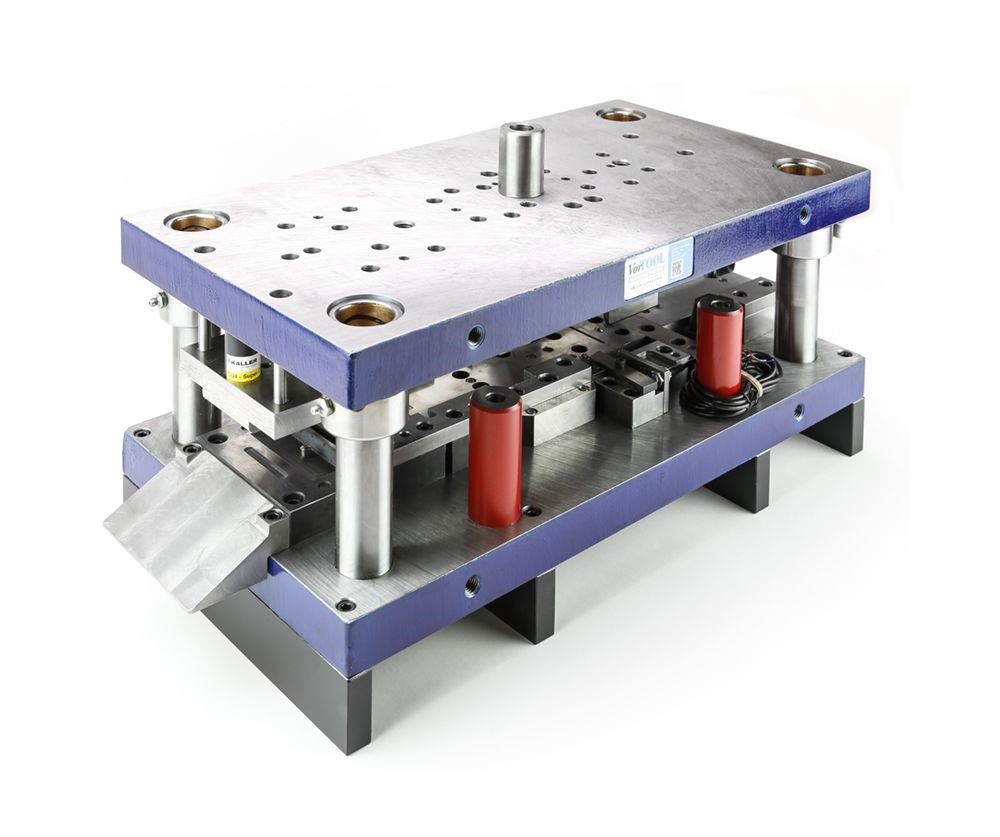
Think about it the next time you’re admiring a sleek, perfectly formed metal object. Remember the tiny, carefully engineered bypass notches that helped bring it into being. Remember the countless hours of design, testing, and tweaking that went into making it all possible. And maybe, just maybe, you'll appreciate the surprising beauty and the surprising complexity of sheet metal forming a little bit more.
Because really, who knew that something as seemingly mundane as stamping metal could be so… utterly fascinating? So next time you are admiring the design of your new car or even your favorite kitchen appliance, take a moment to appreciate the often-unseen ingenuity behind the beautiful and functional metal components. The precision is a testament to the dedication and problem-solving skills of the engineers and manufacturers who bring these products to life.