Burnout As An Ethical Issue In Psychotherapy
We often hear about burnout in demanding professions, picturing exhausted doctors or overworked CEOs. But what about psychotherapists, the very people we turn to for help navigating our own mental well-being? It might seem paradoxical, but therapist burnout is a real and serious issue, and increasingly recognized as an ethical one.
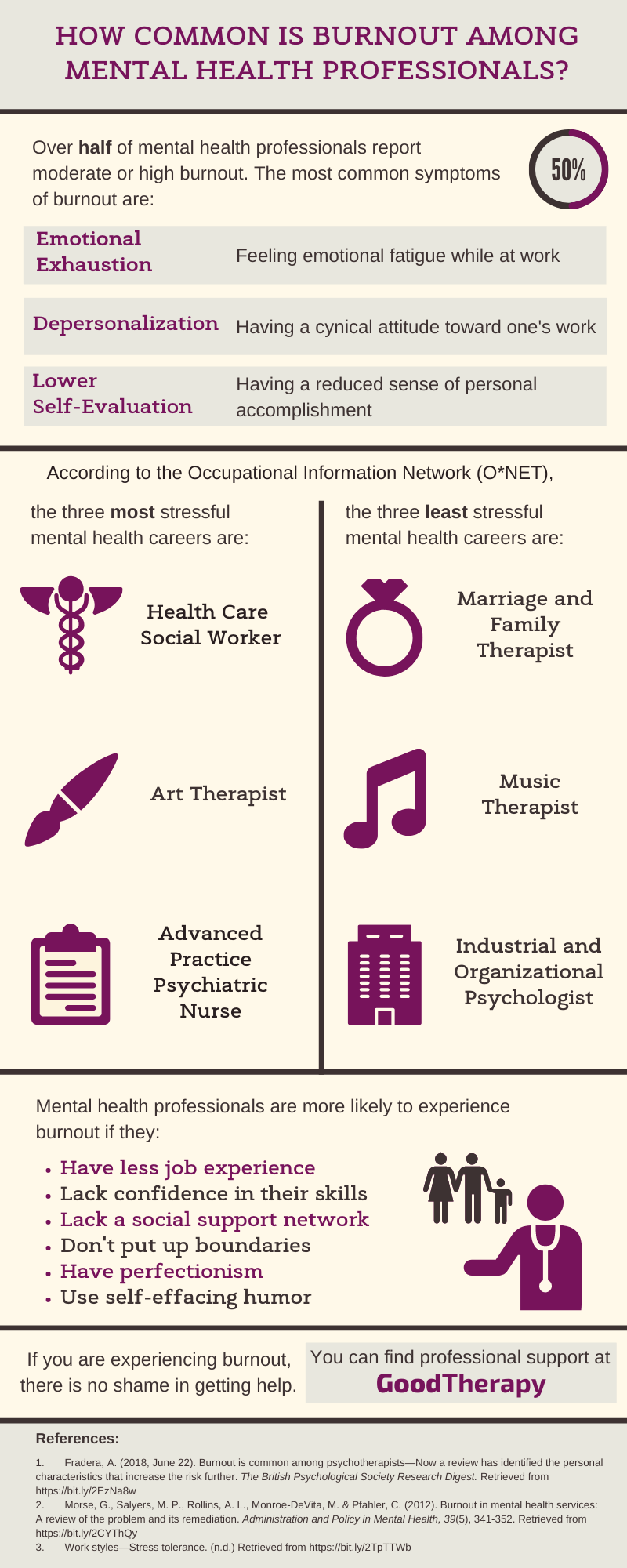
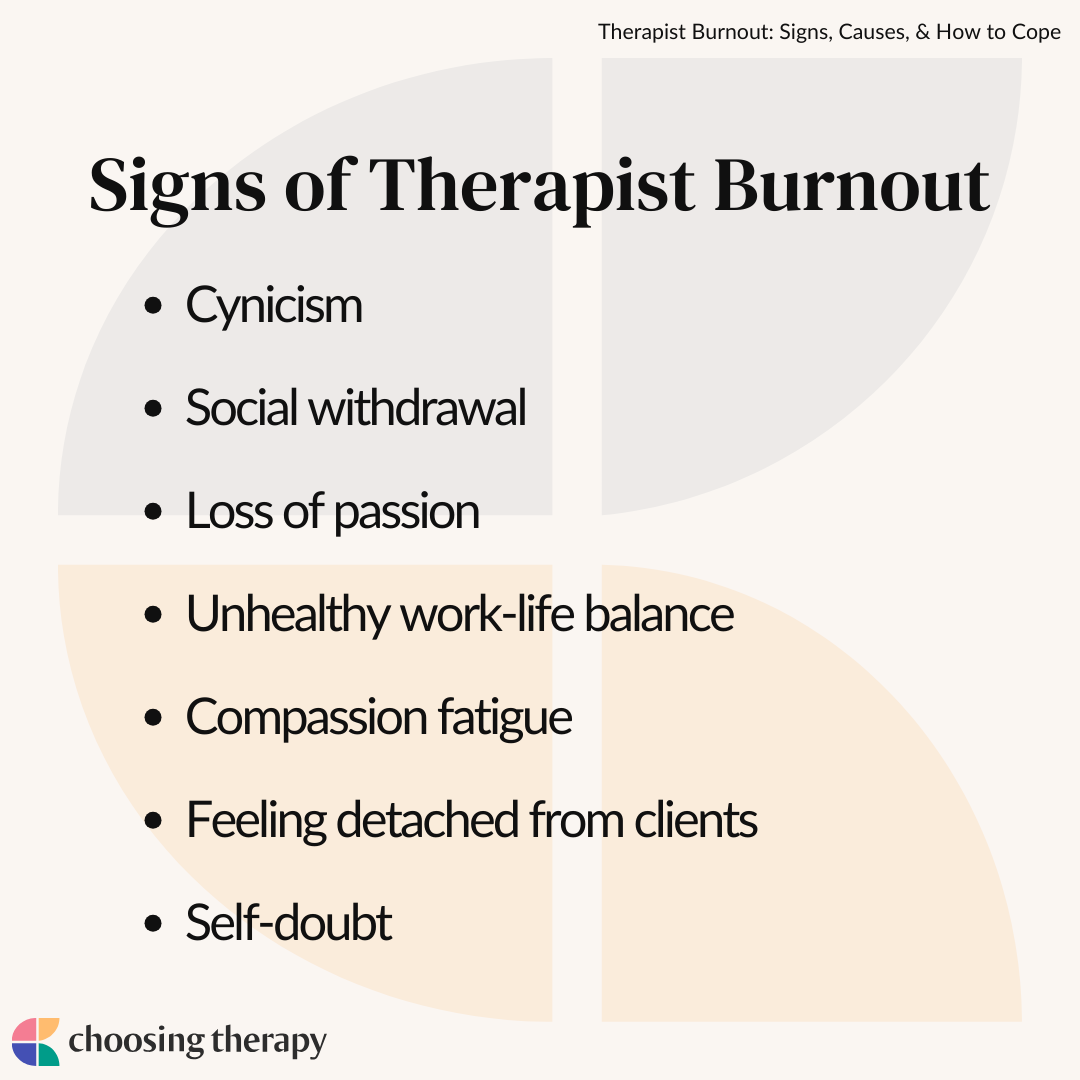
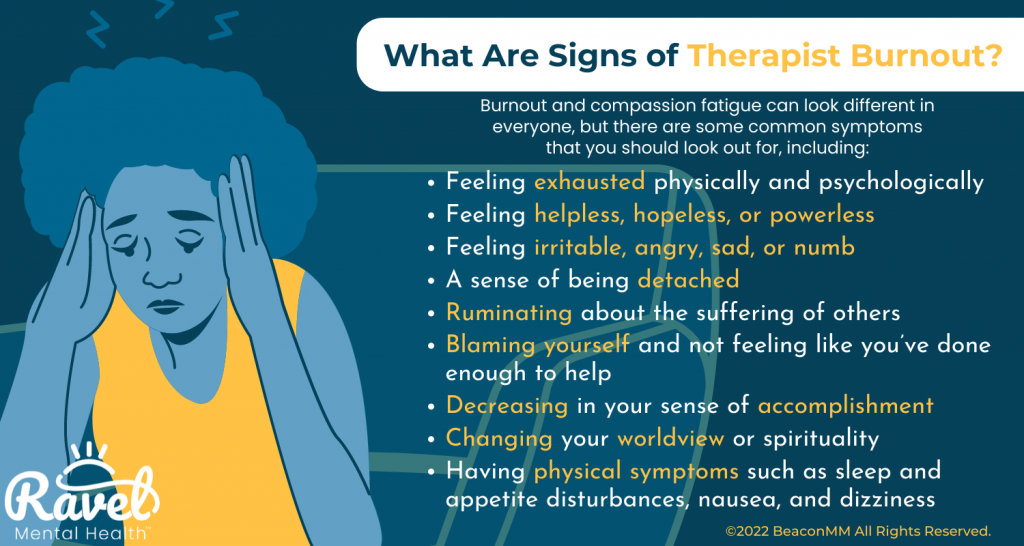
The ethical dimension arises because burnout significantly impacts a therapist's ability to provide competent and ethical care. Think about it: therapy requires immense empathy, active listening, and objective judgment. A burned-out therapist, struggling with emotional exhaustion, cynicism, and a sense of reduced personal accomplishment, is far less likely to offer these crucial elements. This can lead to diminished treatment effectiveness, boundary violations (perhaps due to impatience or fatigue), and even harm to clients.
Consider the potential ripple effect. A therapist experiencing burnout might become less present and engaged during sessions, missing subtle cues and nuances in a client's narrative. They might struggle to maintain appropriate boundaries, leading to unprofessional or even harmful interactions. Their clinical judgment could become impaired, potentially resulting in misdiagnosis or ineffective treatment plans. In essence, a burned-out therapist is not operating at their full capacity, which compromises the client's right to receive competent and ethical care.
Must Read
Several factors contribute to therapist burnout. The very nature of the work, which involves constantly absorbing and processing others' pain and trauma, is inherently draining. High caseloads, administrative burdens, and inadequate support systems within their workplaces can exacerbate the problem. Additionally, therapists often struggle with their own personal challenges, making it difficult to maintain emotional distance and objectivity. The COVID-19 pandemic, with its increased stress and uncertainty, has only amplified these pre-existing vulnerabilities.

So, what can be done? The responsibility lies on multiple levels. Firstly, therapists themselves need to prioritize self-care. This includes setting healthy boundaries, engaging in regular supervision and peer support, and pursuing activities that promote well-being. Secondly, organizations and agencies need to create supportive work environments that prioritize therapist well-being. This might involve reducing caseloads, providing adequate administrative support, and fostering a culture of openness and support. Finally, clients themselves can play a role by being mindful of their therapist's time and energy, and by advocating for ethical standards of care within the mental health field.
Recognizing burnout as an ethical issue shifts the focus from individual blame to systemic responsibility. It acknowledges that therapist well-being is not just a personal matter, but a crucial component of ethical practice. By addressing the root causes of burnout and creating supportive environments for therapists, we can ensure that they are able to provide the compassionate, effective, and ethical care that clients deserve. After all, a healthy therapist is a more effective therapist, and ultimately, a more ethical one.