Bullseye American Ingenuity Fund Performance History
Let's face it, talking about investment fund performance isn't usually a laugh riot. But understanding how a fund like the Bullseye American Ingenuity Fund has fared historically is actually pretty powerful stuff. Think of it as checking the report card of your financial investments – you wouldn't blindly hand over your hard-earned cash without knowing if it has a chance of growing, would you?
The Bullseye American Ingenuity Fund, like many mutual funds, aims to achieve specific financial goals for its investors. In this case, it presumably focuses on American innovation, potentially investing in companies involved in technology, research, and development, or other areas where US ingenuity shines. The whole point of looking at its performance history is to get a sense of how well it has achieved these goals over time.
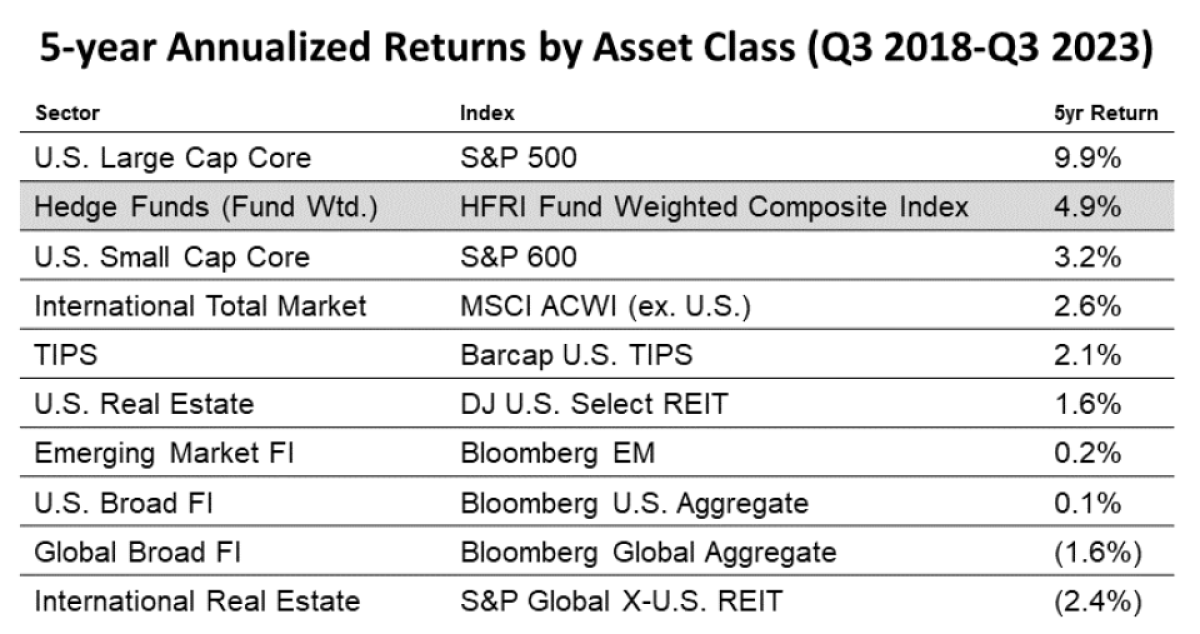
Why bother digging into the past performance? Well, it gives you clues. It's not a crystal ball, of course (past performance is never a guarantee of future returns – repeat that!), but it offers valuable insights. For example, has the fund consistently outperformed its benchmark? A benchmark is a standard against which a fund's performance is measured, like the S&P 500. If the fund is consistently beating the benchmark, it might suggest that the fund managers have a good strategy.
Must Read
Another important factor is risk. A fund's performance history can reveal how volatile it has been. Did it experience huge swings during market downturns, or did it hold relatively steady? Some investors are comfortable with higher risk for the potential of higher returns, while others prefer a more conservative approach. Knowing the fund's past volatility helps you decide if it aligns with your own risk tolerance.
Keep an eye out for a few key metrics. Look at the fund's annual returns over different periods (e.g., 1 year, 3 years, 5 years, 10 years). See how those returns compare to the fund's benchmark. Check out the fund's expense ratio, which is the annual fee you pay to cover the fund's operating expenses. A lower expense ratio is generally better, as it eats less into your potential returns.
Don't just look at numbers in isolation. Consider the context of the market during those periods. A fund that performed poorly during a major recession might not necessarily be a bad fund, as most investments likely suffered during that time. On the other hand, a fund that underperformed during a booming market might raise some red flags.
Ultimately, understanding the Bullseye American Ingenuity Fund's performance history is just one piece of the puzzle. It's important to do your own research, consider your financial goals and risk tolerance, and potentially consult with a financial advisor before making any investment decisions. But armed with this knowledge, you'll be in a much better position to make informed choices about your financial future. Think of it as equipping yourself with the right tools for your financial journey. And who knows, maybe you'll even find it a little...dare we say...fun?