Brinell Hardness To Rockwell Hardness Calculator

Ever wondered how tough your frying pan is? Or perhaps you've pondered the fortitude of your favorite garden gnome? (Hey, no judgment here!). Well, there's a way to measure that "toughness" – it's called hardness! And like everything cool in science, there are, of course, multiple ways to measure it. That's where the magical Brinell to Rockwell Hardness calculator comes in!
Decoding the "Toughness" Codes
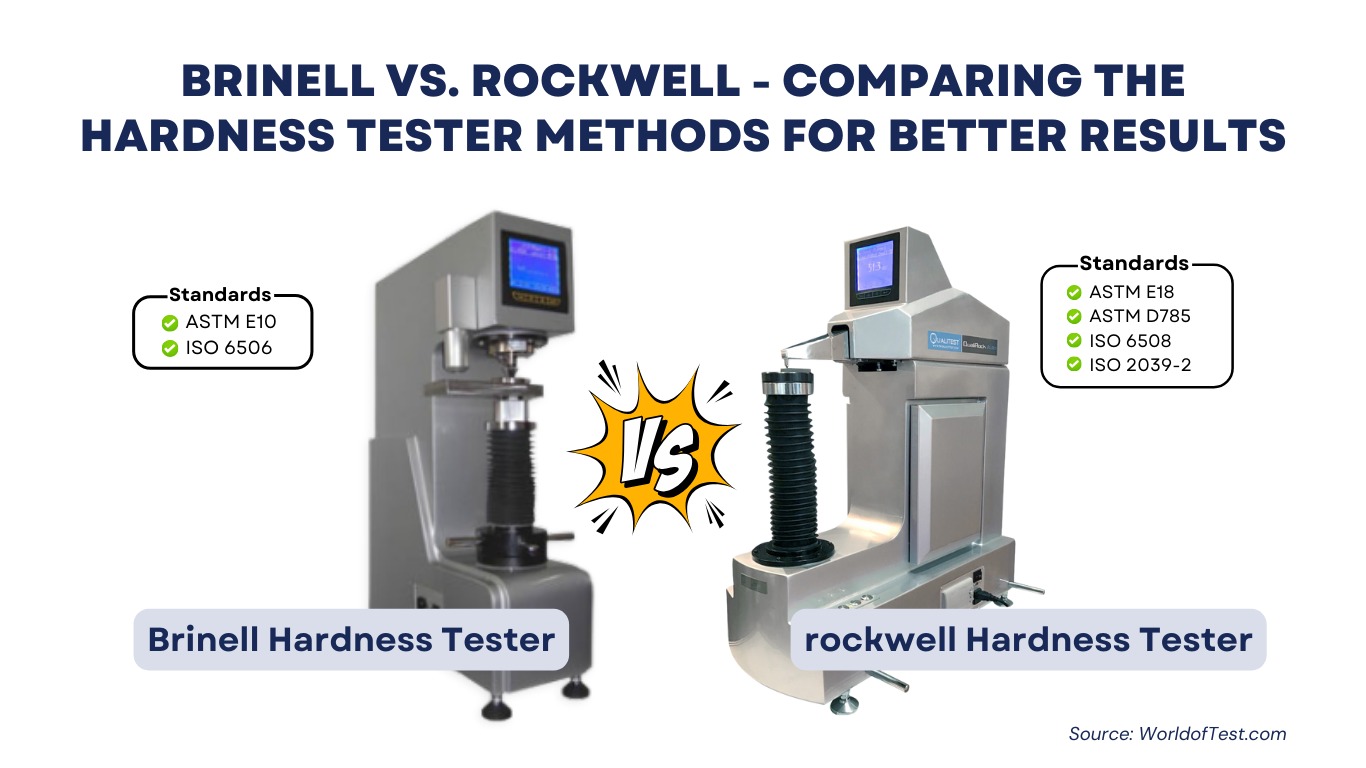
Imagine you're trying to describe how squishy a marshmallow is. You could squeeze it (a very scientific approach, I assure you!). That’s kind of what hardness tests do. They poke things with a specific force and then measure how big the dent is. The smaller the dent, the harder (and tougher!) the material. Think bowling ball versus... well, that marshmallow.
Now, Brinell hardness is like using a really big, heavy round hammer to make that dent. It’s great for bulky, tough metals like the stuff they use to build bridges. But what if you're testing something a bit more delicate, like, say, the metal used in a fancy watch?
Must Read
That’s where Rockwell hardness steps in! It's like using a much smaller, more precise hammer. Actually, sometimes it's more like a super-precise, diamond-tipped awl! It’s perfect for thinner materials, or things that need a more sensitive touch. You wouldn’t use a sledgehammer to hang a picture, would you?
Why Translate Toughness?
So, why do we need to translate between Brinell and Rockwell? Think of it like this: imagine you read a recipe in Celsius, but all your thermometers are in Fahrenheit. Total disaster in the baking department, right? It’s the same deal with hardness scales!

Sometimes, you might only have Brinell data on a material, but you need to compare it to something tested with the Rockwell method. Or, perhaps you're building a robot army (purely for scientific purposes, of course!) and one supplier gives you specs in Brinell, while another uses Rockwell. The Brinell to Rockwell Hardness calculator becomes your Rosetta Stone for "toughness" translation! It lets you compare apples to oranges... or rather, steel girders to titanium alloys.
Enter the Magical Calculator
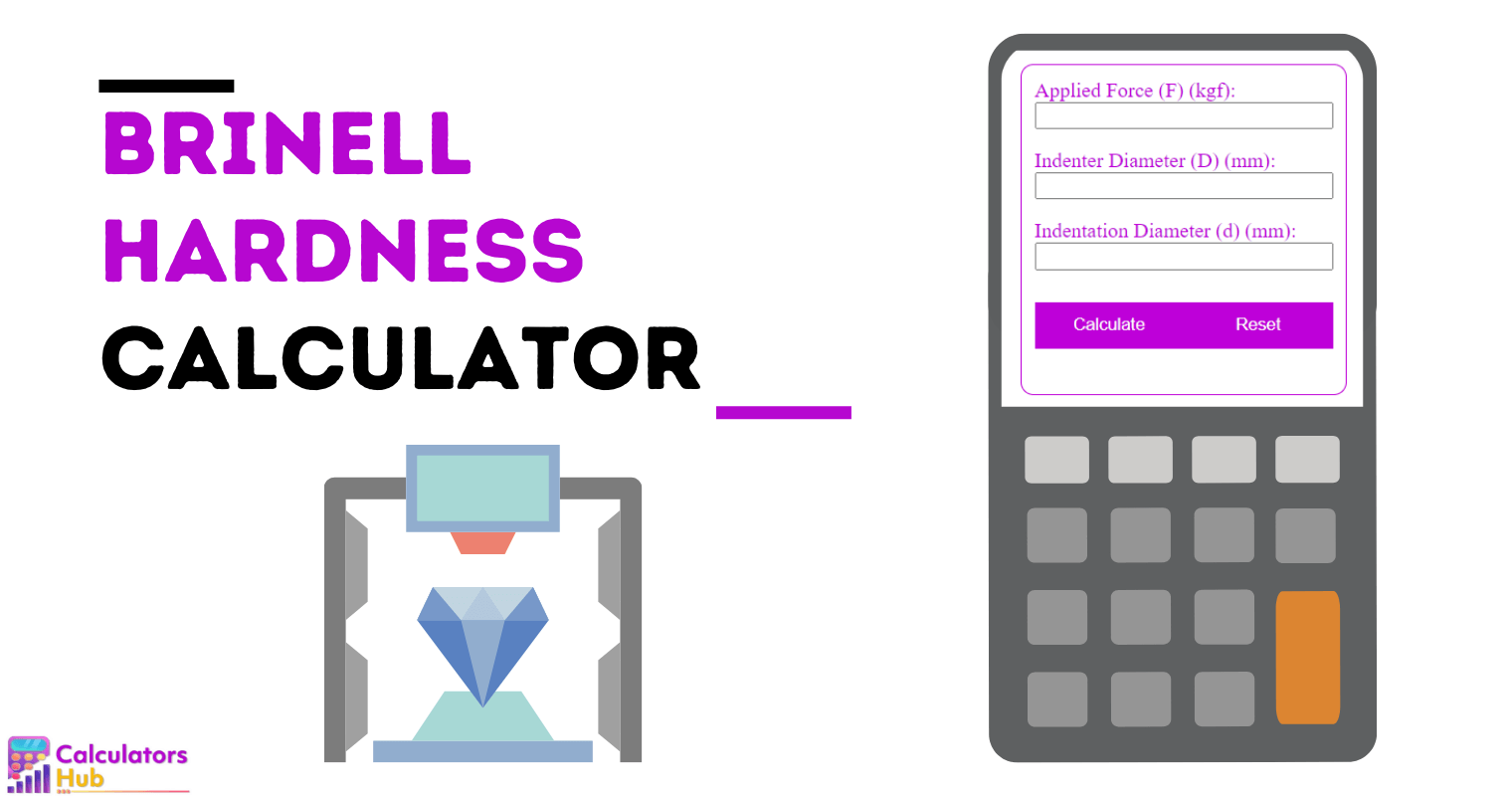
This isn't some super-complicated, needs-a-PhD-to-operate piece of equipment. It’s often a simple online tool where you plug in the Brinell hardness number, twirl your mustache thoughtfully (optional, but encouraged!), and BAM! Out pops the equivalent Rockwell hardness number (or, more likely, a range of numbers – because, science!).
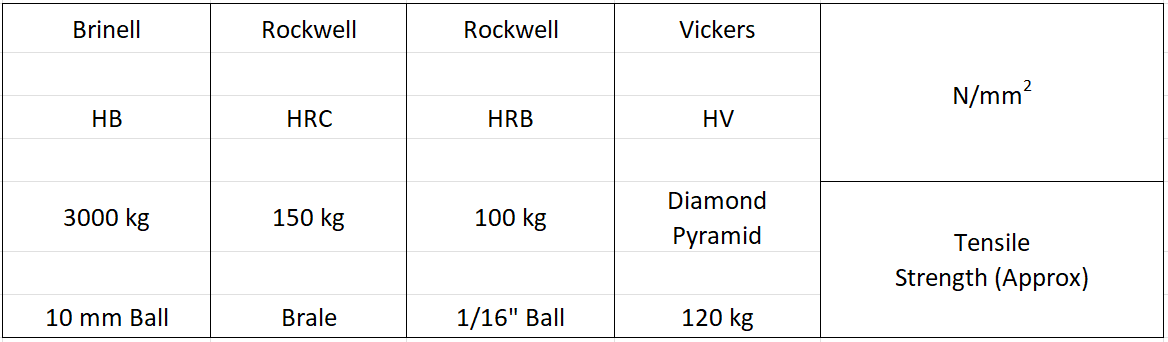
It's like a magical black box that speaks the secret language of material strength! You just feed it numbers, and it spits out other, equally-important numbers! It saves you from having to pull out incredibly complex charts and perform calculations that would make even Einstein scratch his head.
Real-World (and Slightly Exaggerated) Examples
Let's imagine you are Goldilocks trying to find the perfect spoon. One is too hard (Brinell says it's super-tough!), another is too soft (a very low Rockwell number!), but with a quick conversion you discover one that's "just right"!
Or perhaps you’re trying to determine if your superhero suit is strong enough to withstand a meteor strike. You have the Brinell hardness of the chest plate, but you need to compare it to the Rockwell hardness rating of the meteor's surface. The fate of the world rests on this calculation! (Okay, maybe not, but you get the idea.)
In reality, this is great for engineers comparing different metal alloys or even manufacturers comparing product strength. Whether you're building a skyscraper or designing a high-performance bicycle, these calculators are essential.
The Brinell to Rockwell Hardness calculator is a fantastic tool for anyone working with materials. It bridges the gap between different hardness scales, allowing you to easily compare and contrast the strength of various materials. No more head-scratching or complex calculations needed! Just plug in the numbers and let the magic happen! Now, go forth and conquer the world of material hardness!