
Brass Is Alloy Of Copper And
Ever look at a shiny, golden-hued doorknob? Or maybe marvel at the gleaming bells of a trumpet, saxophone, or trombone? That gorgeous material, so often mistaken for gold's slightly more understated cousin, is probably brass! And guess what? It's got a secret. It's not a pure metal. Nope! It's a fantastic blend, a metallurgical marvel, and honestly, a pretty cool topic to chat about.
The Big Reveal!
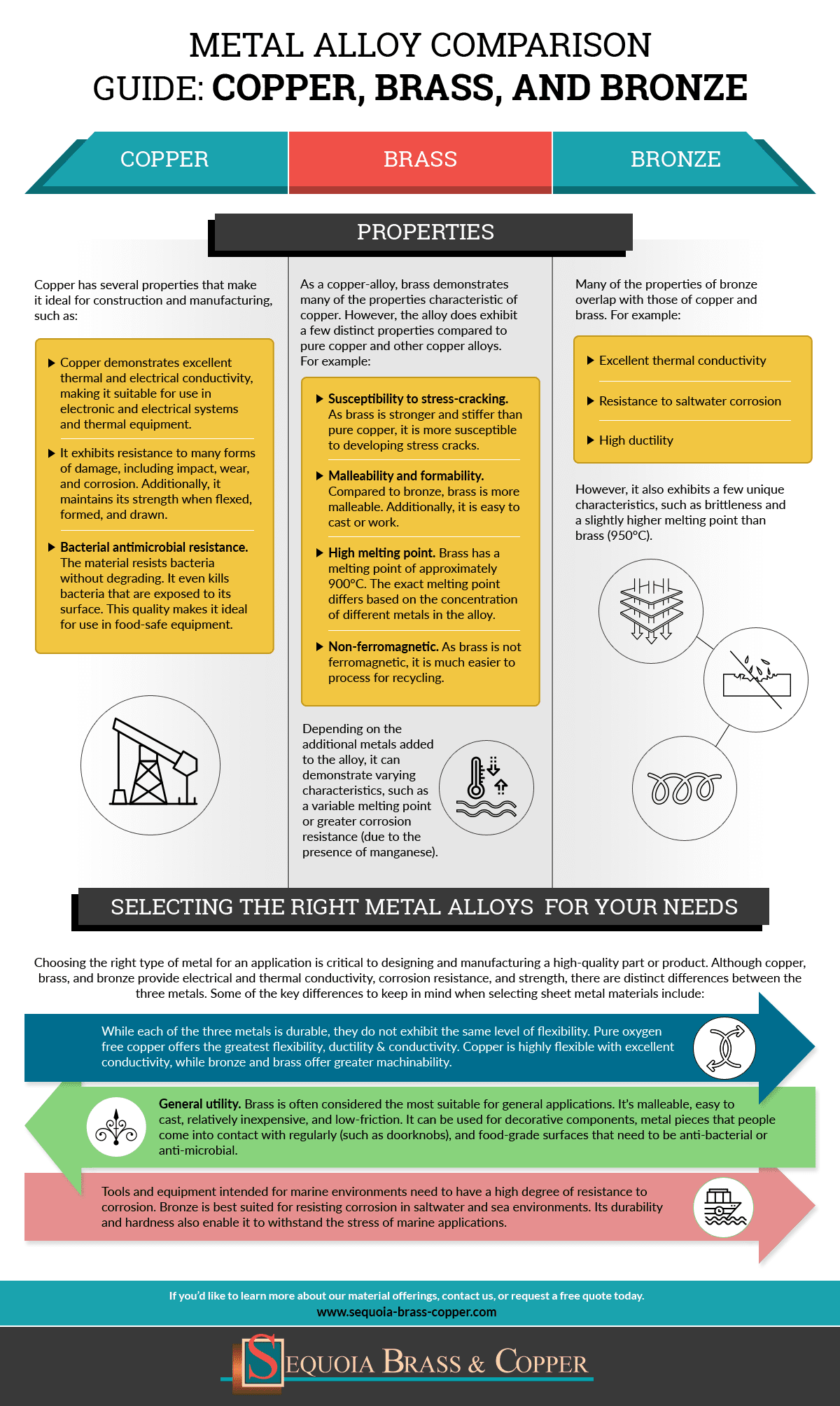
Ready for the lowdown? Here it is: brass is an alloy of copper and zinc. Ta-da! See? Simple, right? But what does that even mean? Think of it like baking. You don't just use flour to make a cake, do you? You add eggs, sugar, butter, maybe some vanilla. Each ingredient brings something special to the party, creating something new and delicious that's way better than any single component on its own.
Well, alloys are exactly like that, but for metals! Instead of baking, we're talking about melting different metals together to create a new material with its own unique "superpowers." And for brass, those two main ingredients are copper and zinc.
Must Read
Why Mix 'Em Up? The Copper & Zinc Tag Team!
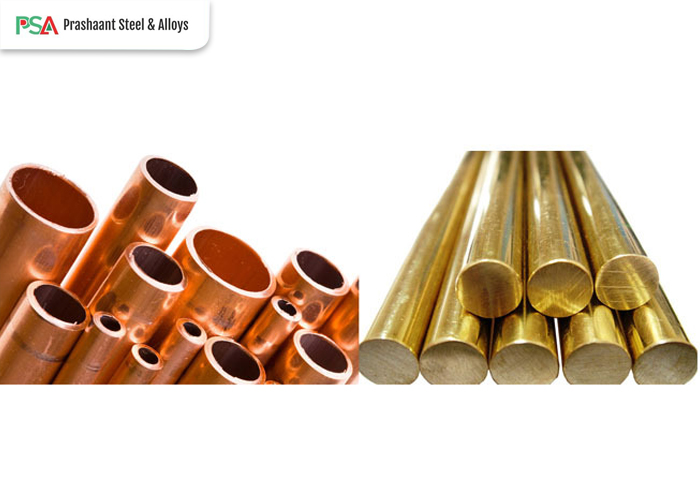
So, why bother mixing copper with zinc? Why not just use pure copper? Good question! Copper, on its own, is a lovely reddish-brown metal. It’s super conductive and pretty malleable. But it’s also quite soft. Think about bending a copper wire – it's easy! Now, introduce some zinc into the molten copper, and magic happens.
The zinc adds some serious muscle. It makes the brass stronger and much more durable than pure copper. This means your doorknob won't dent every time someone uses it. It also makes brass more workable, meaning it's easier to cast into intricate shapes or draw into wires, which is crucial for musical instruments and decorative items. Plus, zinc affects the color, making it that classic warm, golden yellow we all recognize. More zinc? More yellow! Less zinc? A warmer, redder hue, closer to copper. It's like a metallic rainbow!
A Little History (But Not Boring, Promise!)
People have been playing around with brass for a long time. We’re talking ancient times! The Romans, for example, were big fans. They didn't have fancy furnaces to melt zinc and copper together directly like we do today. Instead, they used a clever trick called "calamine brass." They'd heat copper with zinc ore (a rock containing zinc) and charcoal. The zinc would vaporize and then absorb into the copper, creating brass! How cool is that for ancient chemistry?
They figured out, probably by happy accident, that this new material was fantastic for coins, armor, and all sorts of useful bits and bobs because it was tough and looked great. Fast forward to today, and we're still using brass for countless things, from plumbing fixtures to, yes, those glorious musical instruments!
Quirky Brass Facts You Never Knew You Needed!
Here's where it gets even more fun:

First up, the sound of brass! It’s not just a saying. The unique density and resonance of brass make it perfect for trumpets, trombones, and tubas. The way it vibrates creates that distinctive, powerful, and often triumphant sound that can make your hairs stand on end. Without brass, orchestras would sound… different. And probably less epic!
Did you know brass has a secret superpower against germs? Yep, it's naturally antimicrobial! Copper (and by extension, brass) has oligodynamic properties, meaning it can actually kill bacteria and other microorganisms on contact. That's why you often see brass doorknobs and handrails in public places. They're literally fighting germs for us! How awesome is that? Your doorknob is a tiny, unsung hero.
It’s also incredibly recyclable. Brass can be melted down and reformed countless times without losing its quality. That makes it super environmentally friendly, reducing the need for new raw materials. Talk about a metal that gives back!
So, Why Care?
Because it's everywhere! From the bullet casings that make modern firearms possible to the intricate parts in clocks and watches, to the beautiful decorative items that add warmth to our homes. Knowing that something so common is actually a clever mix of two different metals, each bringing its own strengths to the table, just makes you appreciate it more, right?
Next time you see something made of brass, don't just see a shiny object. See the ingenious blend of copper and zinc working together, creating a material that's strong, beautiful, versatile, and even a little bit magical. It’s a testament to human ingenuity, from ancient Romans to modern engineers, continually finding ways to make materials better. Isn't that just a fun thought? Go forth and appreciate the alloy awesomeness!
