
Both Nuclear Fusion And Nuclear Fission Reactions
Hey there, science fans! Ever wondered where the sun gets its endless energy? Or how we can split atoms (safely, of course!)? Buckle up, because we're diving into the wild world of nuclear reactions! We're talking about the forces that power stars and could power our future. Get ready for some atomic awesomeness!
Fission: Splitting Things Up!
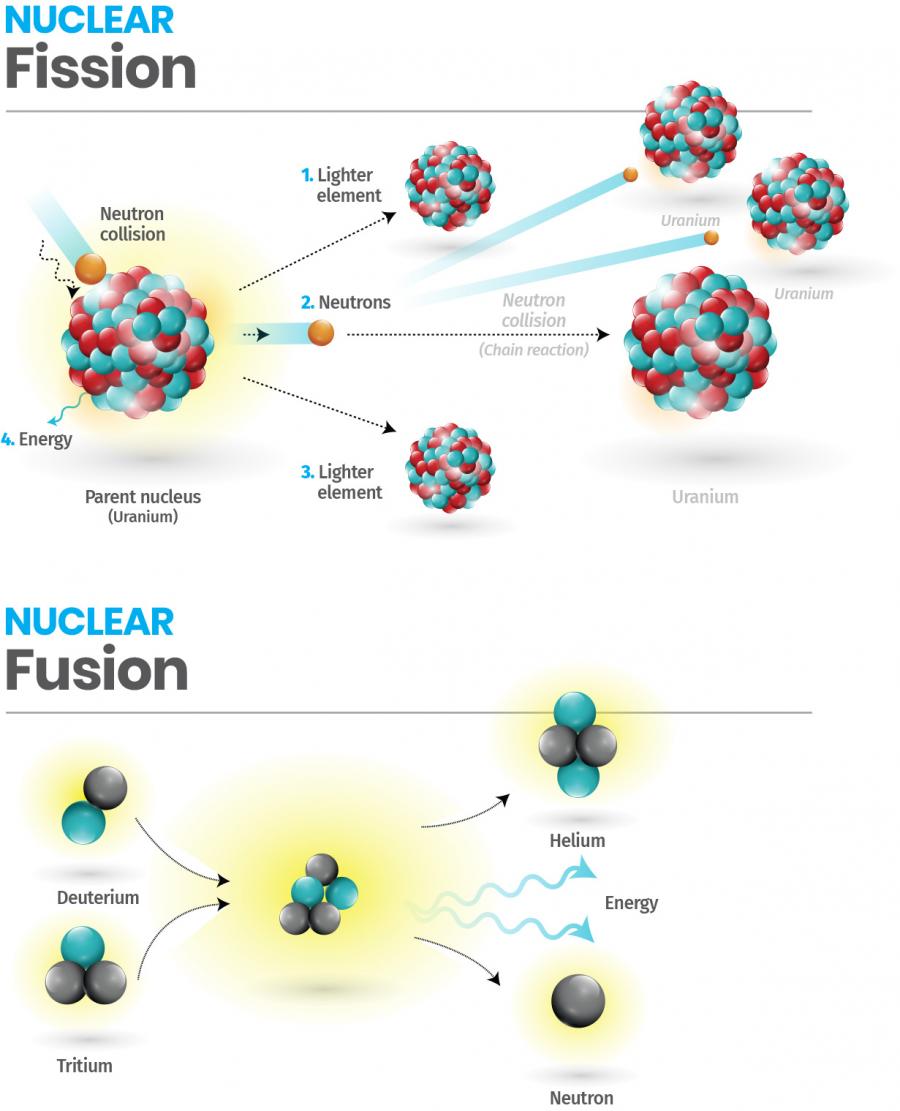
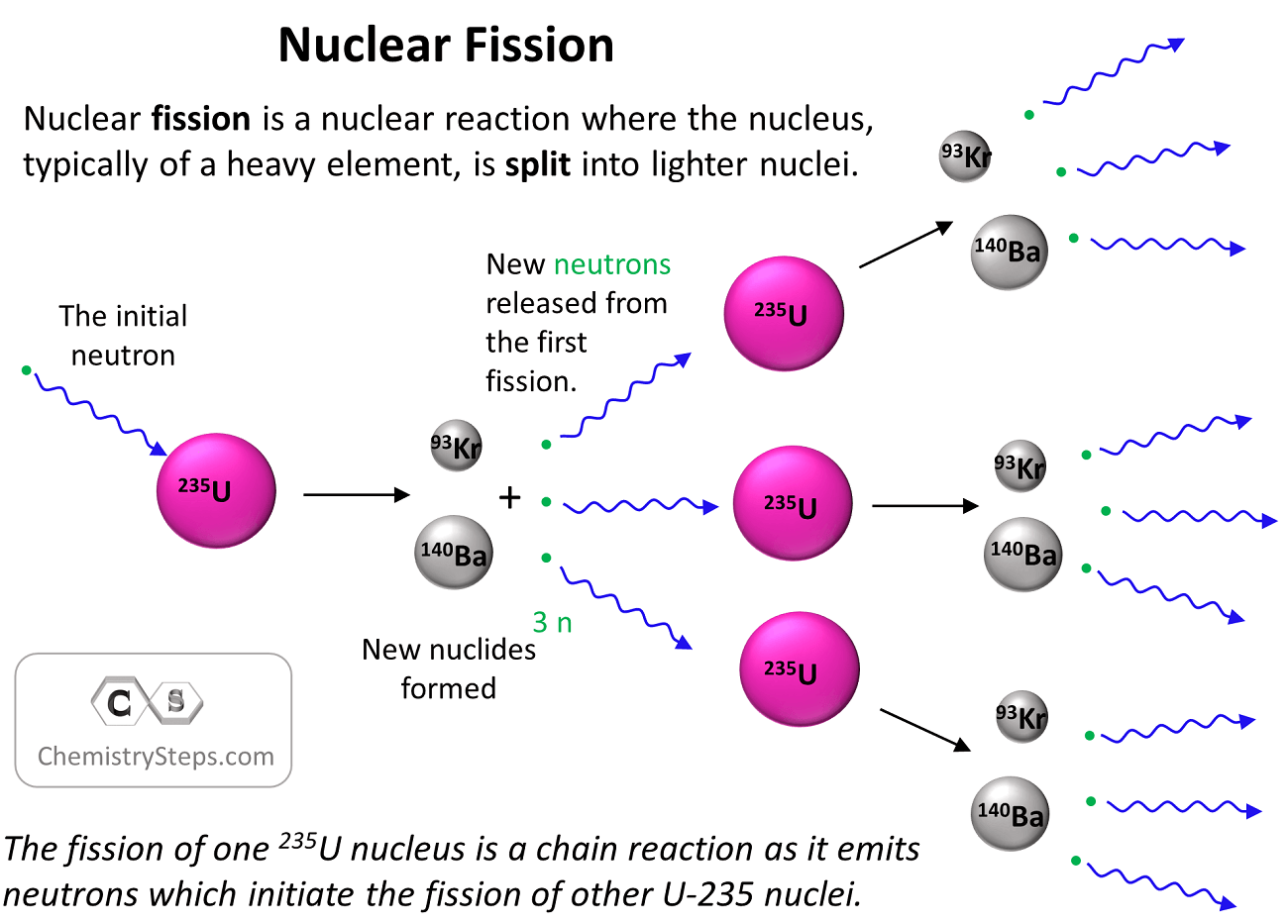
First up: fission. Think of it like a super-charged game of atomic dodgeball. Imagine you have a big, unstable atom, like uranium. Now, picture throwing a tiny neutron at it. What happens? BOOM! The uranium atom splits into smaller atoms, releasing a TON of energy and even more neutrons.
These newly released neutrons then go on to hit other uranium atoms, causing them to split too. It's like a chain reaction of atomic explosions! We call this a nuclear chain reaction. It's pretty spectacular (in a controlled environment, naturally!).
Must Read
This is how nuclear power plants work. They carefully control this chain reaction to generate heat. That heat boils water, which creates steam, which turns turbines, which generate electricity. It's a bit like a really, really complicated kettle that powers your lights!
Think of it this way: you're taking something big and breaking it into smaller parts. That breaking process releases a huge amount of energy. It's like smashing a pinata filled with energy instead of candy!
Fission is fascinating because it shows us the raw power locked within the smallest building blocks of matter. It's a testament to how much energy is stored in these tiny atoms.
Fusion: Joining Forces!
Now, let's flip the script and talk about fusion. Instead of splitting atoms, we're smashing them together! Think of it as atomic marriage – but with a whole lot more energy released.
Fusion is what powers the sun and all the other stars. It's basically how the universe makes light and heat. It involves taking light atoms, like hydrogen, and forcing them to combine into heavier atoms, like helium.
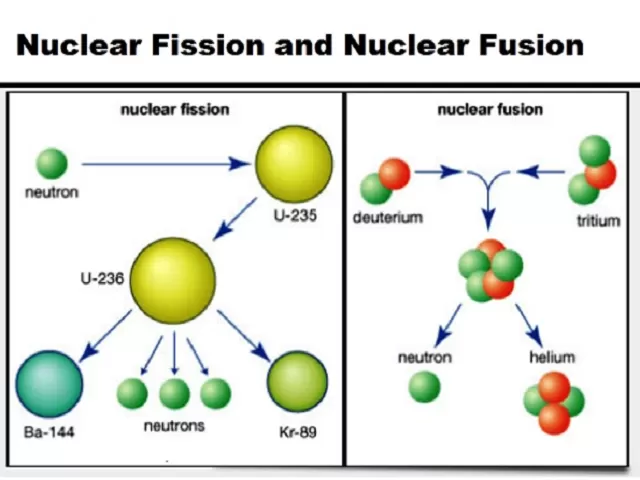
To make fusion happen, you need incredibly high temperatures and pressures. We're talking millions of degrees Celsius – hotter than the core of the sun! This extreme environment allows the hydrogen atoms to overcome their natural repulsion and fuse together.
When they fuse, a tiny bit of mass is converted into an enormous amount of energy. This is where Einstein's famous equation, E=mc², comes into play. A little bit of mass (m) transformed into a LOT of energy (E). That "c²" part (the speed of light squared) makes the energy output mind-bogglingly huge.
Scientists are working hard to create fusion reactors here on Earth. If they can crack it, fusion power could be a clean, virtually limitless source of energy. Imagine a future powered by miniature suns! That's the dream of fusion energy.
Think of it like this: you're taking something small and building something slightly bigger. That building process releases a massive amount of energy. It's like combining two LEGO bricks to create a supernova of power!
Fission vs. Fusion: A Quick Recap
So, to recap:
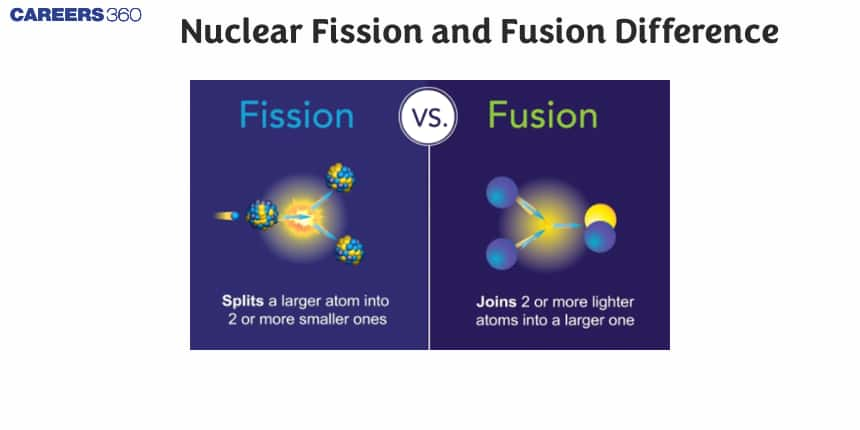
- Fission: Splitting heavy atoms. Used in nuclear power plants.
- Fusion: Combining light atoms. Powers the sun and stars. The holy grail of clean energy.
Both fission and fusion are incredible examples of the power hidden within the atom. They're different sides of the same atomic coin. Understanding these processes is key to understanding the universe itself!
Aren't you just a little bit more curious about nuclear physics now? Go on, delve deeper! There's a whole universe of atomic wonders waiting to be explored!
Who knows, maybe you'll be the one to unlock the secrets of fusion and save the world! Stranger things have happened!