Ever felt the exhilarating tug of a kite on a windy day, or the refreshing caress of a cool breeze on your face? There's something inherently captivating about wind – an invisible force that has shaped landscapes, powered ancient ships, and even provided a soundtrack to our lives. For centuries, humanity has dreamt of harnessing this free, abundant natural phenomenon, and today, that dream is a powerful reality. We’re not just feeling the wind anymore; we’re using it to light up our world, quite literally!
The core purpose of wind power is beautifully simple: to turn the energy of moving air into electricity without burning fossil fuels. This means cleaner air, a healthier planet, and a more sustainable future for everyone. Think about it – every time the wind spins the majestic blades of a turbine, it's generating power for our homes, charging our phones, powering our offices, and even running the sophisticated machinery that keeps our modern world ticking. It’s an elegant solution to a massive challenge, providing a constant, renewable source of energy that doesn't deplete Earth’s finite resources. The benefit is clear: a greener, more resilient energy grid, reducing our carbon footprint one gust at a time.
You’ve probably seen the most common examples of wind power dotting our landscapes, both onshore and offshore: those towering, graceful wind turbines, often grouped together in what are known as wind farms. These colossal structures are engineering marvels, designed to capture even the slightest breeze and convert it into usable energy. But wind power isn’t just about giant turbines. Smaller, more discreet turbines can be found powering individual remote homes, farms, or even telecommunication towers where grid access is limited. Historically, windmills were used for grinding grain or pumping water, showcasing the versatility of wind long before electricity was even a concept. Today, innovations range from massive offshore floating turbines to experimental wind-powered ships, bringing the ancient art of sailing into the 21st century to reduce shipping emissions.
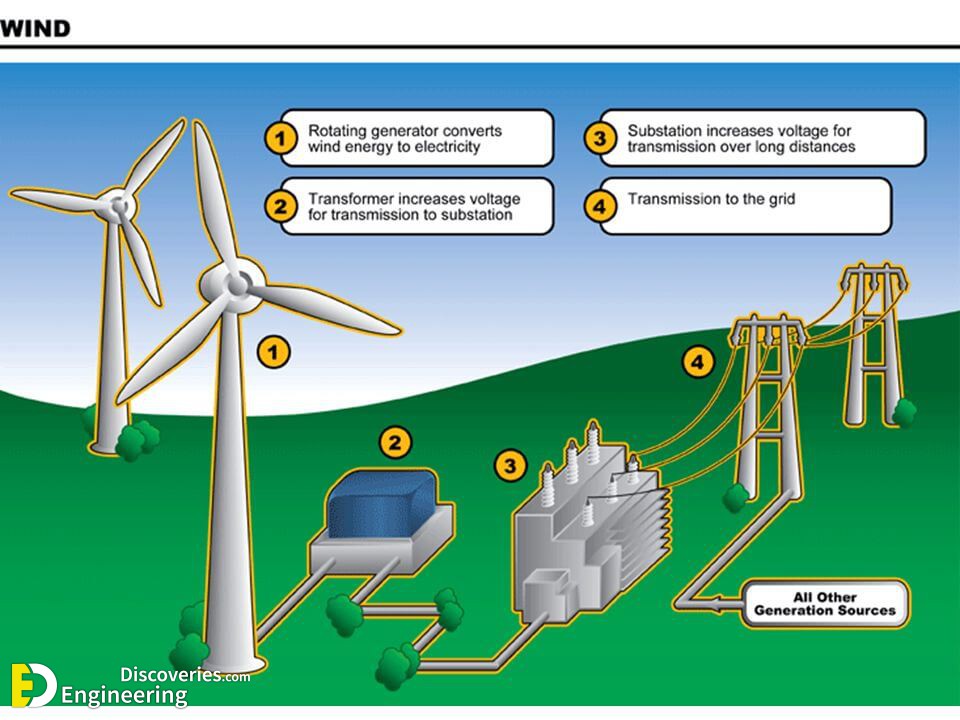
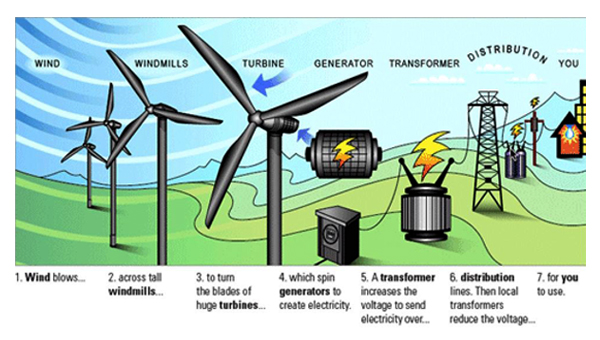
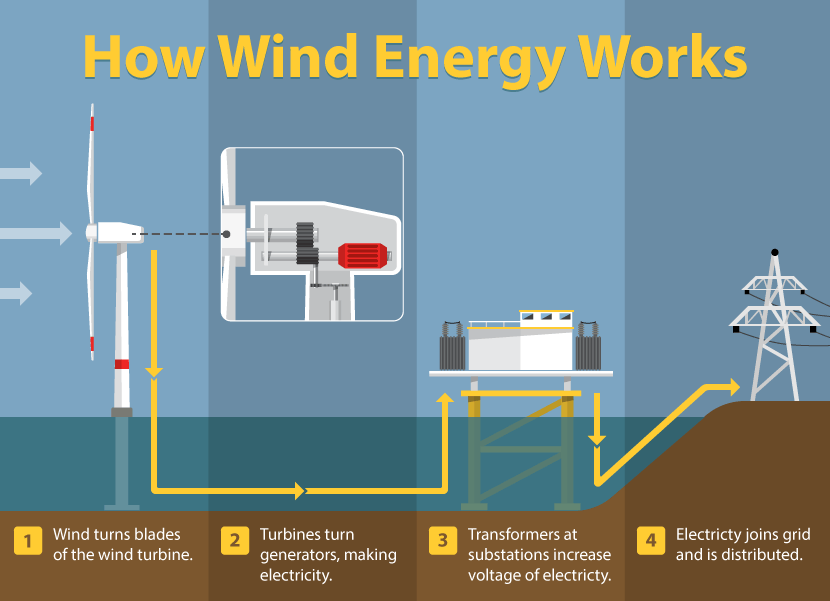
So, how does this magic actually happen? It’s surprisingly straightforward! The wind pushes against the turbine’s aerodynamic blades, causing them to rotate. These spinning blades are connected to a central shaft inside the turbine’s main housing (the "nacelle"), which in turn spins a generator. Just like the generator in a bicycle light converts your pedaling motion into light, a wind turbine’s generator converts the rotational energy of the blades into electrical energy. This electricity then travels down the tower, through cables, and into the power grid, ready to be distributed to homes and businesses. It's an efficient, awe-inspiring process, transforming a natural force into the lifeblood of our modern world.
Want to appreciate wind power even more effectively? Next time you see a wind turbine, don’t just drive past. Take a moment to observe it. Notice its size, its steady rotation, and reflect on the clean energy it’s creating. If you’re ever near a visitor-friendly wind farm, consider taking a tour – seeing these giants up close can be truly impactful. You can also explore options for switching to a green energy provider for your home, directly supporting the expansion of renewable sources like wind. Understanding where your energy comes from, and advocating for cleaner choices, helps strengthen the wind power revolution. Let’s keep feeling the breeze, and keep empowering our planet!