:max_bytes(150000):strip_icc()/where-to-place-smoke-detectors-1152485_V2-3c5086adfaa646d69d312b45d342c621.png)
Hey there, neighbor! Ever find yourself scrolling through endless to-do lists for your home and think, "Ugh, another chore?" Well, today we’re chatting about something that might feel like a chore but is actually more like having a tiny, invisible superhero standing guard over your loved ones. We're talking about those unassuming little disks on your ceiling and walls: smoke detectors and carbon monoxide detectors, especially what California asks of us for these silent guardians.
Think of it like this: you wouldn't head out on a sunny California day without a little sunscreen, right? Or drive your kids to school without making sure their seatbelts are clicked? These detectors are in that same league – small efforts for huge peace of mind. And trust me, understanding the rules for them in our Golden State is way easier than trying to get a toddler to eat broccoli.
Your Home's Tiny Firefighter: Smoke Detectors
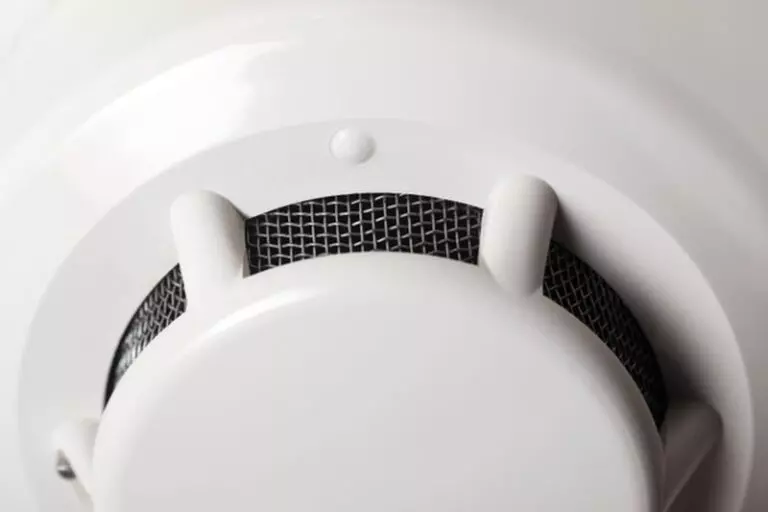
Let's start with the classic hero: the smoke detector. This little guy is your home’s early warning system, like a super-sensitive nose that sniffs out trouble long before you ever would. Imagine you're dreaming peacefully, maybe about a plate of perfectly grilled tacos. Meanwhile, a forgotten charger in the other room starts to smolder. You won't smell it, but your smoke detector? It’s on it! It’ll let out that signature chirp-scream, giving you and your family precious extra minutes to get out safely.
In California, our lawmakers want to make sure everyone has this brave little firefighter. Here’s the gist:
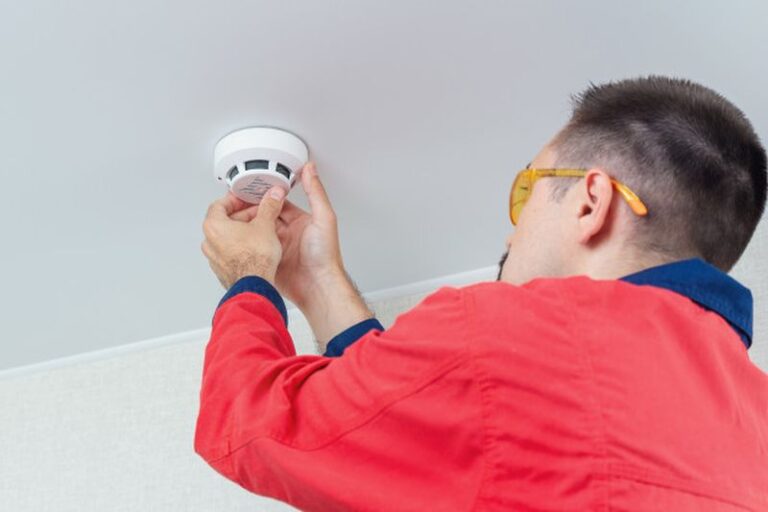
- For new homes or major renovations, you're looking at a pretty comprehensive setup. Smoke detectors need to be hardwired (meaning they’re connected to your home’s electrical system) with a battery backup. And they need to be interconnected! That means if one detector senses smoke, they all go off – like a tiny, urgent choir throughout your house. You'll need them in every sleeping room, in the hallway outside sleeping areas, and on every level of the home.
- For existing homes, it's a bit more flexible but still crucial. You need at least one smoke detector on every level, including the basement. And if you have sleeping rooms, you’ll definitely need one in the hallway right outside them. While hardwiring is great, many existing homes can use smoke detectors powered by a 10-year sealed battery. These are fantastic because you don't have to worry about changing batteries every year – just replace the whole unit when it "expires" (usually after 10 years).
Remember that annoying "chirp, chirp" sound? That’s not just a random noise; it's your detector saying, "Hey, my battery is getting low, pal! Time for a fresh one, or to replace me entirely if I'm a 10-year sealed unit." Give that test button a press once a month – it's like giving your superhero a little high-five!
The Silent Spy: Carbon Monoxide Detectors
Now, let's talk about the unsung hero, the carbon monoxide (CO) detector. This one is like having a secret agent in your home, specifically designed to sniff out the "silent killer." Carbon monoxide is a gas you can't see, smell, or taste. It’s produced when fuels (like gas, oil, kerosene, wood, or charcoal) burn incompletely. Think of your furnace, water heater, gas stove, fireplace, or even a car running in an attached garage – all potential sources if something goes awry.
The scary part? CO poisoning can mimic flu symptoms: headaches, dizziness, nausea. You might just feel "off" or tired, never realizing your invisible enemy is slowly making you sick. That’s where your CO detector swoops in to save the day, letting out a distinctive alarm that’s different from your smoke detector.
California is very clear about CO detectors:
- If your home has any appliance that burns fossil fuels (that's most furnaces, water heaters, and gas stoves), or if you have an attached garage, you need CO detectors. Period.
- Placement is key: you need one outside of each separate sleeping area and on every level of the home. Yes, that includes the basement!
- Like smoke detectors, they can be hardwired or battery-operated. For convenience and consistent protection, many opt for models with 10-year sealed batteries.
Having a CO detector is like having a tiny, super-trained sniffer dog in your house, always on alert for that invisible danger. It’s an absolute must-have!
Putting It All Together: Where and When to Check
So, you’ve got these vital bits of tech. How do you make sure they’re doing their job?
- Placement Perfection: Generally, avoid placing detectors right next to kitchens or bathrooms where steam or cooking fumes might trigger false alarms. Instead, focus on areas near bedrooms and on every level. For CO detectors, avoid putting them too close to fuel-burning appliances, as a little bit of CO might be normal during start-up.
- Test Them Regularly: Make it a monthly habit. Just press that "test" button! If you can’t reach, grab a broom handle. It’s a loud reminder, but a good one!
- Battery Time! If you have traditional battery-powered detectors, a common reminder is to change batteries when you change your clocks for Daylight Saving's Time. It’s an easy way to remember to give your protectors fresh juice.
- Lifespan Matters: Detectors don’t last forever. Most have a lifespan of about 7-10 years. Look for a manufacturing date on the back – if it’s getting up there, it’s time for a replacement. Think of it like milk; it has an expiration date, and after a while, it just doesn't work as well!
At the end of the day, these requirements aren't about bureaucrats wanting to make your life harder. They're about keeping you, your family, your furry friends, and your home safe. It’s a small investment of time and money for a truly priceless return: peace of mind and the ability to rest easy, knowing your tiny, invisible superheroes are always on duty. Go ahead, give your detectors a quick check or a test push today – your future self will thank you!