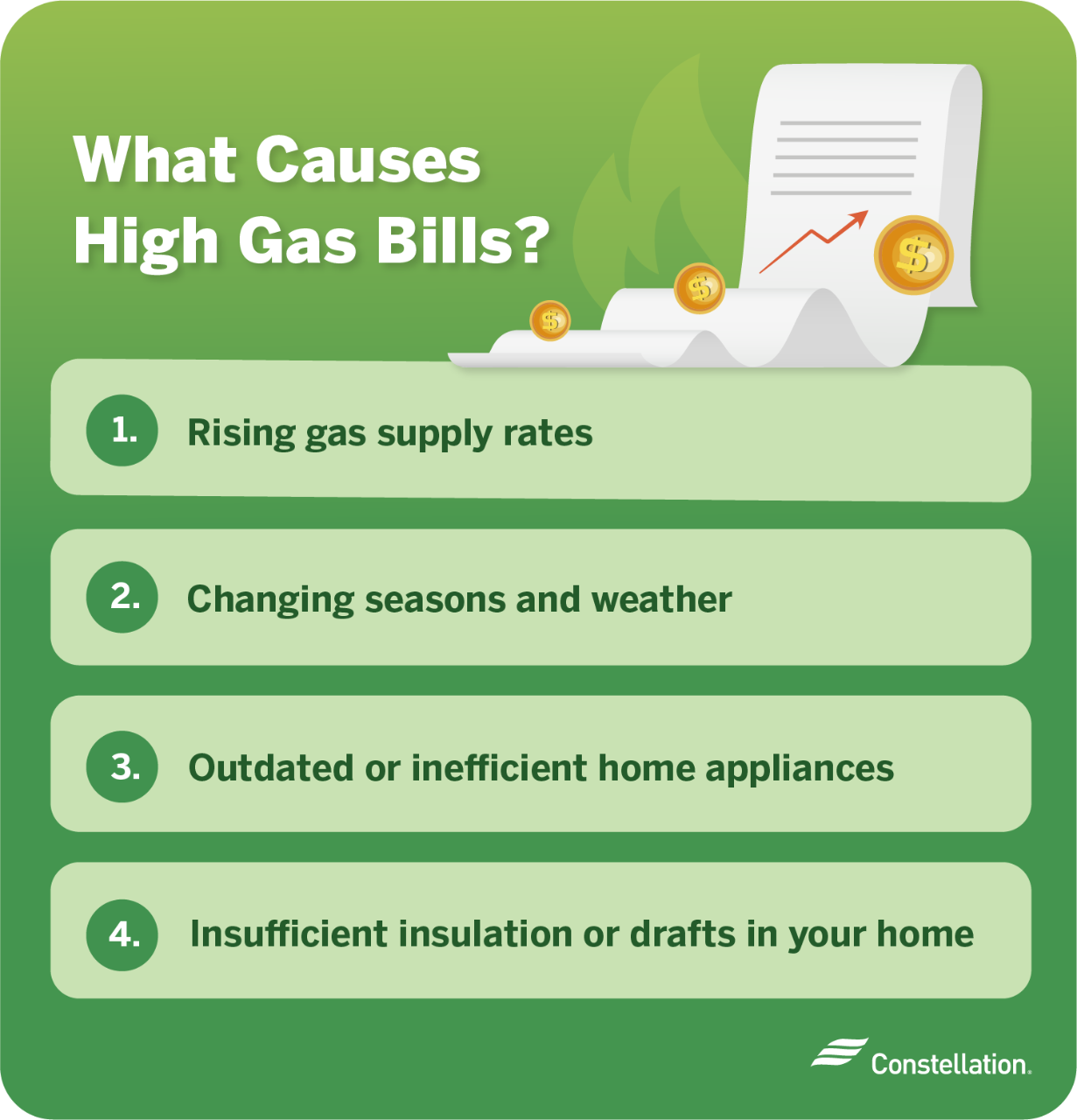
Ever torn open your gas bill, glanced at the total, and felt a sudden chill that had nothing to do with the outside temperature? You’re definitely not alone! It’s a common household mystery, a mini-drama that unfolds every few weeks or months. But instead of just sighing and paying up, why not turn it into a fun, low-stakes detective game? Understanding why your gas bill might be higher than expected isn't just about saving a few bucks; it's about becoming a more informed, empowered homeowner, and even a bit of an amateur energy economist.
The whole purpose of delving into this topic is to peel back the layers of what seems like an impenetrable fortress of numbers and technical jargon. We want to demystify those digits and turn them into actionable insights. The main benefit, of course, is financial peace of mind. When you grasp the factors at play, you can make smarter decisions about your heating habits and home efficiency, potentially shaving significant amounts off future bills. Beyond your wallet, there's also an environmental benefit: using less energy means a smaller carbon footprint, contributing to a healthier planet. Plus, it brings a sense of comfort – knowing you’re heating your home efficiently means you’re warm without being wasteful.
This isn't just abstract knowledge; it’s incredibly relevant in both education and daily life. In daily life, it’s about becoming more attuned to your home's energy consumption. You might start noticing that chilly draft from a window or the hum of an aging furnace, or even the impact of that extra-long hot shower. Many utility companies now offer user-friendly apps or online portals where you can track your daily usage, turning gas consumption into a tangible, visual graph. It's like a Fitbit for your house! In an educational context, understanding gas bills touches upon basic physics (heat transfer, energy efficiency), economics (supply and demand influencing gas prices), and even environmental studies (fossil fuel consumption and climate change). Imagine a home economics class where students analyze real bills and brainstorm ways to reduce energy use – it’s practical learning at its best.
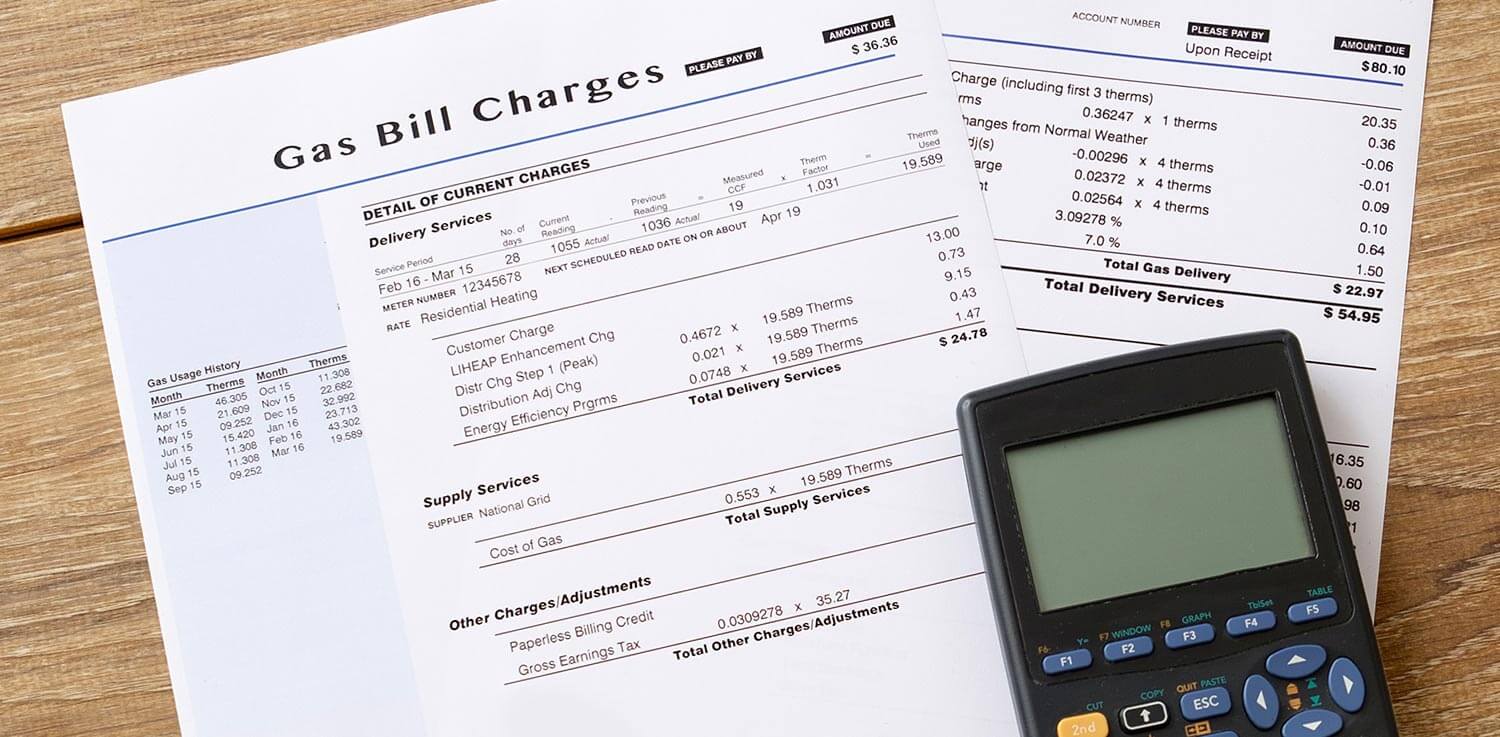
So, how can you become your own energy detective? Start by simply reading your bill thoroughly. Look for the breakdown: how many therms or kilowatt-hours did you use? What was the price per unit? Are there any fixed charges that remain constant regardless of usage? Next, compare your usage to previous months and even the same month last year. Was it an unusually cold winter? A quick check of historical weather data might reveal a direct correlation. Conduct a simple "draft audit" in your home: hold a lit candle near windows and doors on a breezy day to spot air leaks. Consider lowering your thermostat by a degree or two, especially when you're out or asleep. Small changes can make a big difference. Many utility companies also offer free energy audits or provide resources with simple, effective tips. Talking to neighbors about their experiences can also offer valuable local insights. By taking these small, curious steps, you’ll not only understand your gas bill better but also gain a powerful sense of control over your home's comfort and your budget.