Whoa, did you feel that gust just now? Seriously, it feels like the wind woke up today and decided to have an all-out party! If you've found yourself wrestling with your umbrella or holding onto your hat for dear life, you're definitely not alone. It got me thinking, why is the wind so incredibly strong today?
It’s not just a random whim of the weather, though sometimes it certainly feels like it. There’s some really cool science happening behind all that bluster, and once you dig into it, it makes those mighty gusts feel even more fascinating. Let's unpack it a bit, shall we?
It's All About Pressure, Baby!
Okay, so at its most basic, wind is just air in motion. Simple enough, right? But what makes it move? Think of it like a busy escalator. Everyone wants to go from one floor to another. Air is the same, but instead of floors, it's about pressure. Air naturally wants to move from an area where there's a lot of it (high pressure) to an area where there's less of it (low pressure).
Imagine squeezing a tube of toothpaste. The toothpaste (air) rushes out from the squeezed, high-pressure area to the open, low-pressure area, right? The stronger you squeeze, the faster it comes out. In the atmosphere, the bigger the difference between a high-pressure zone and a low-pressure zone, the faster and stronger the wind will blow.
So, if the wind is really tearing it up today, it means there’s likely a significant difference in atmospheric pressure nearby. These pressure differences are essentially the engine room of our weather, constantly trying to balance things out.
What's Causing These Big Pressure Gradients?
That's the million-dollar question! Usually, it comes down to a few major players:
1. Visiting Weather Systems
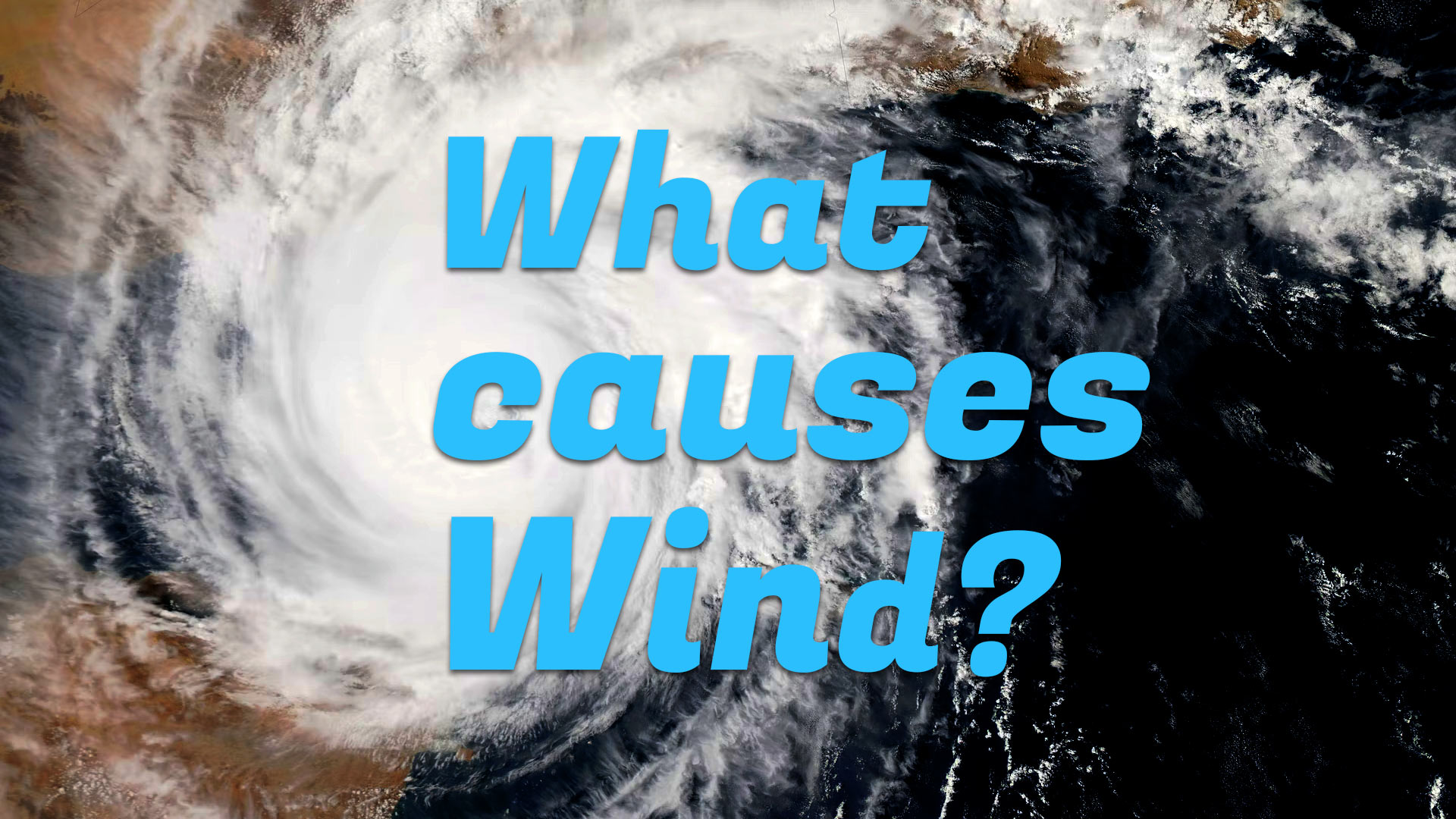
Our planet is always buzzing with various weather systems. Today's strong winds could be thanks to a passing low-pressure system, often called a depression. These systems are like atmospheric vacuum cleaners, sucking in air from all around them. As they move, they can create some pretty wild pressure gradients, leading to those powerful gusts we're experiencing.
Sometimes, it's a cold front charging through. When a cold air mass pushes into a warmer one, it creates a dramatic temperature and pressure difference along the boundary, often leading to a sudden surge of strong, gusty winds. It's like two titans clashing in the sky!
2. Temperature Tango
Temperature plays a huge role in creating these pressure differences. Remember how hot air rises and cold air sinks? When air heats up, it expands and becomes less dense, leading to lower pressure. When air cools, it contracts, becomes denser, and creates higher pressure.
If you have a really warm area next to a really cold area, the air is going to be eager to mix and balance things out. This temperature contrast can supercharge those pressure differences, giving us some truly energetic winds. Think about a hot air balloon trying to escape its tethers – that's the kind of energetic movement we're talking about, but on a much, much grander scale.
3. The High-Flying Jet Stream
Sometimes, especially in certain seasons, the jet stream can be a big influencer. This is a narrow, fast-flowing river of air way up high in the atmosphere. While it's not directly what we feel on the ground, a powerful or particularly wavy jet stream can stir up the lower atmosphere, creating or enhancing surface weather systems that bring those strong winds down to us. It's like a powerful current in a river affecting the smaller streams below.
4. Local Landscape – The Wind Funnel Effect
Don't underestimate your local environment! Hills, valleys, tall buildings, and even narrow streets can act like natural funnels or obstacles. When wind hits an obstruction, it often has to squeeze through a smaller space or go over it, which can make it speed up significantly in those areas. This is why you might feel a particularly fierce gust just as you turn a corner between two tall buildings, even if the general wind speed isn't quite so dramatic.
It's like putting your thumb over a garden hose – the water comes out much faster! These localized effects can make an already windy day feel even more intense.
Gusts vs. Steady Wind: What's the Difference?
You might notice the wind isn't a constant, steady push. Instead, it often comes in gusts – sudden, brief increases in speed. These gusts are often caused by the turbulent mixing of air. As faster-moving air higher up mixes with slower-moving air closer to the ground, it creates these unpredictable surges. It's like traffic on a highway – sometimes it flows smoothly, other times it's stop-and-go with sudden bursts of speed.
So, even if the average wind speed isn't extreme, the gusts can certainly make it feel that way!
Embrace the Bluster!
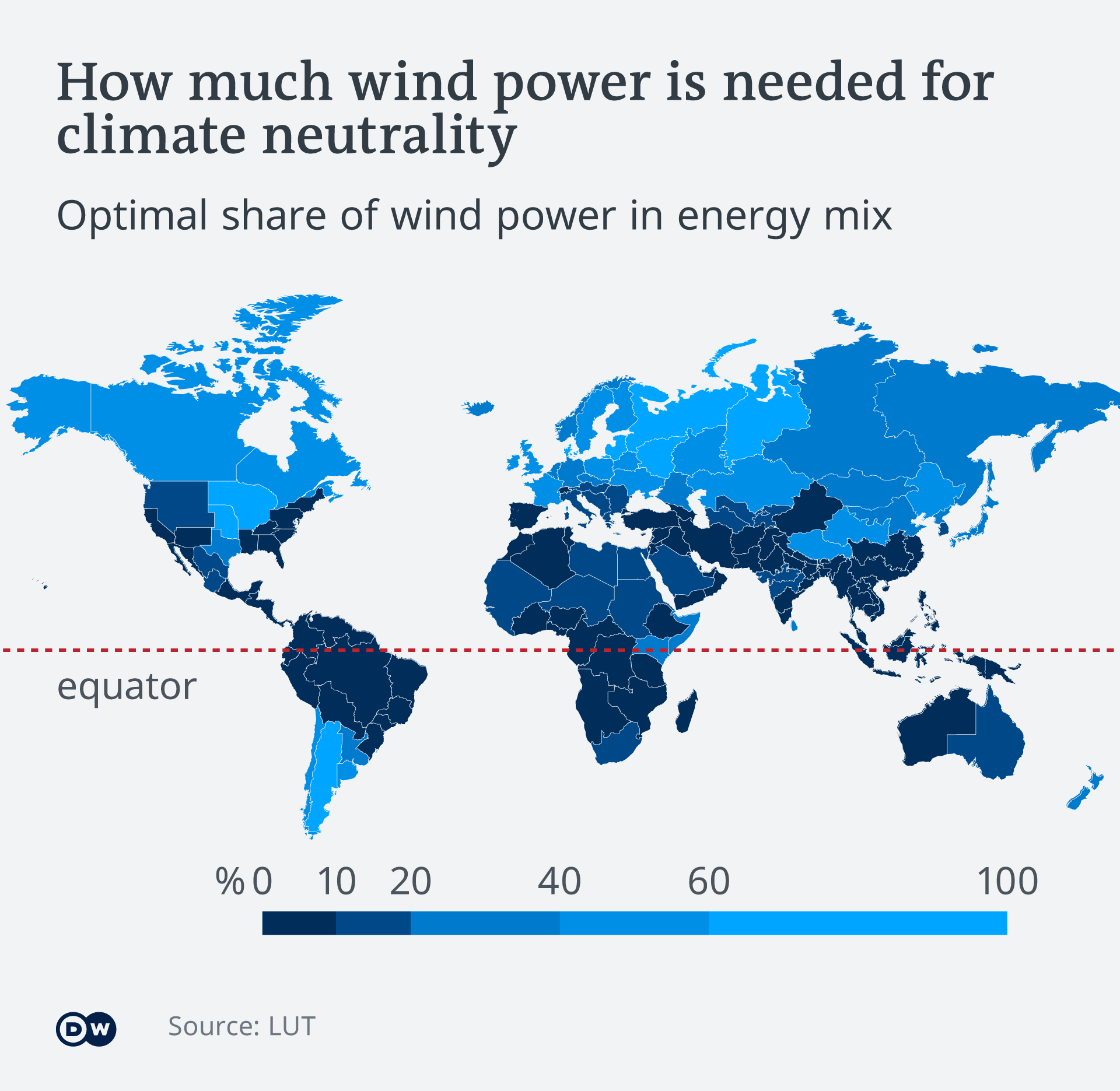
While strong winds can sometimes be a bit inconvenient (RIP, outdoor picnic plans!), there's something incredibly powerful and humbling about them. They remind us of the sheer scale and energy of our planet's atmosphere. Wind is essential for so many things, from distributing heat and moisture around the globe to helping plants spread their seeds, and even generating clean energy with those majestic wind turbines.
So, the next time a strong gust makes you brace yourself, take a moment to appreciate the incredible forces at play. It's not just "wind"; it's a complex, beautiful dance of pressure, temperature, and geography, all working together to shape our world. Pretty cool, right?