Ever found yourself sitting in the dark, maybe with a flickering candle or the glow of your phone, wondering, "Why on earth is the power out again?" It's a common experience for all of us, and while initially frustrating, understanding the 'why' behind a power outage can actually be quite fascinating! It turns a moment of annoyance into a chance to learn about the intricate systems that bring electricity to our homes, and it empowers us to be better prepared for when the lights inevitably go out. Thinking about power outages might not sound like a party, but it's incredibly useful and, dare I say, a little bit intriguing once you pull back the curtain on how it all works.
Knowing what's happening when the power goes out offers benefits for everyone. For beginners, or just your everyday person, it demystifies a common event. You'll learn the most frequent culprits behind outages, which can reduce panic and help you take the right steps. For families, this knowledge is invaluable for preparedness. Understanding how long an outage might last or what precautions to take can keep everyone safe, your food fresh, and even turn a dark evening into a fun, unplugged family adventure. Even for the more curious minds, or 'hobbyists' of everyday knowledge, it can be an interesting dive into how complex power grids function, the challenges utility companies face, and the science behind keeping our modern lives illuminated.
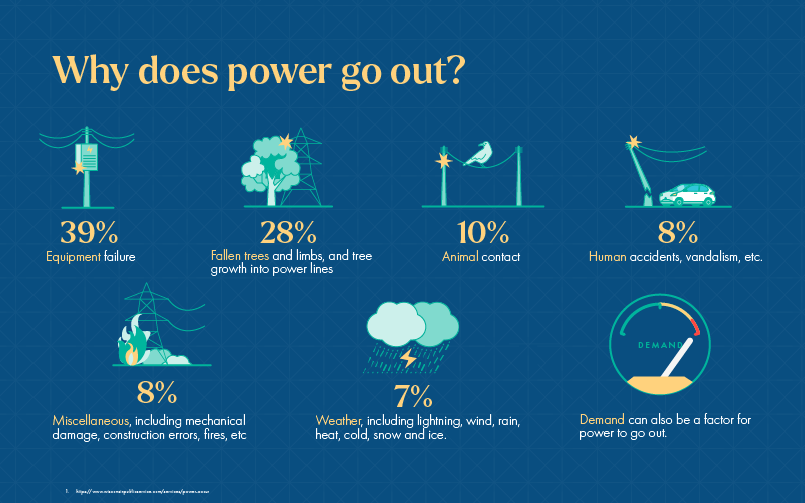
Power outages come in many forms, each with its own story. Sometimes it's the sheer force of nature – a mighty storm with lightning striking a transformer, strong winds bringing down power lines, or heavy ice snapping branches onto wires. Other times, it's something a little more surprising, like a curious squirrel getting into the wrong place, causing a localized short circuit. We also see outages from equipment failure, where an aging component in the grid simply gives up, or from vehicle accidents that take out a pole. Less dramatically, sometimes outages are planned for essential maintenance or upgrades to ensure the system is robust in the long run. Whether it's a flickering light that comes back on in minutes, or a widespread blackout affecting thousands, the causes are as varied as the weather itself.
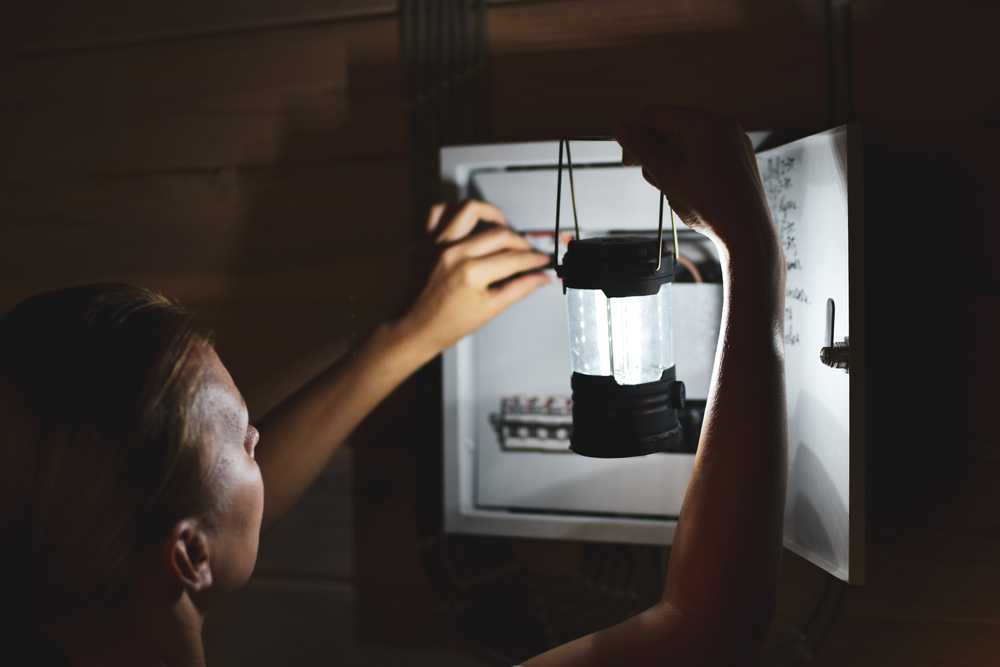
So, what should you do when the power goes out? Here are some simple, practical tips to get you started: First, look around – are your neighbors' lights out too, or is it just your house? This helps determine if it's a localized issue or a wider problem. Next, check your utility company's website or app; many have real-time outage maps and estimated restoration times. It’s also wise to unplug sensitive electronics like computers and TVs to protect them from power surges when electricity is restored. Keep your refrigerator and freezer doors closed as much as possible to maintain cold temperatures and save your food. Most importantly, always have an emergency kit ready with flashlights, a battery-powered radio, and portable chargers for your phones. Finally, don't forget to report the outage to your utility company if they're not already aware.
While a power outage can momentarily disrupt our routines, approaching it with a bit of understanding and preparedness can transform it from a frustrating event into a manageable, even slightly adventurous, experience. Knowing the 'why' makes you feel more in control, and having a plan lets you embrace the unexpected. So next time the lights go out, instead of just groaning, you can pause, understand, and maybe even enjoy the quiet for a little while!