Ever pulled on your coziest sweater, brewed a hot mug of tea, and found yourself wondering, “Why on Earth are the North and South Poles so unbelievably frosty?” It’s a great question, and trust me, it’s not just because they’re far away or because Santa lives there (though that definitely adds to the charm!). Let’s unwrap the mystery of polar chill with some everyday analogies that will hopefully make you smile.
The Sun's Shy Angle: It's All About That Slant!
Imagine you’re enjoying a really warm shower. If you stand directly under the spray, you get the full blast of hot water, right? But if you step just a little to the side, the water still hits you, but it’s spread out, not as intense. Well, the sun's rays work pretty much the same way!
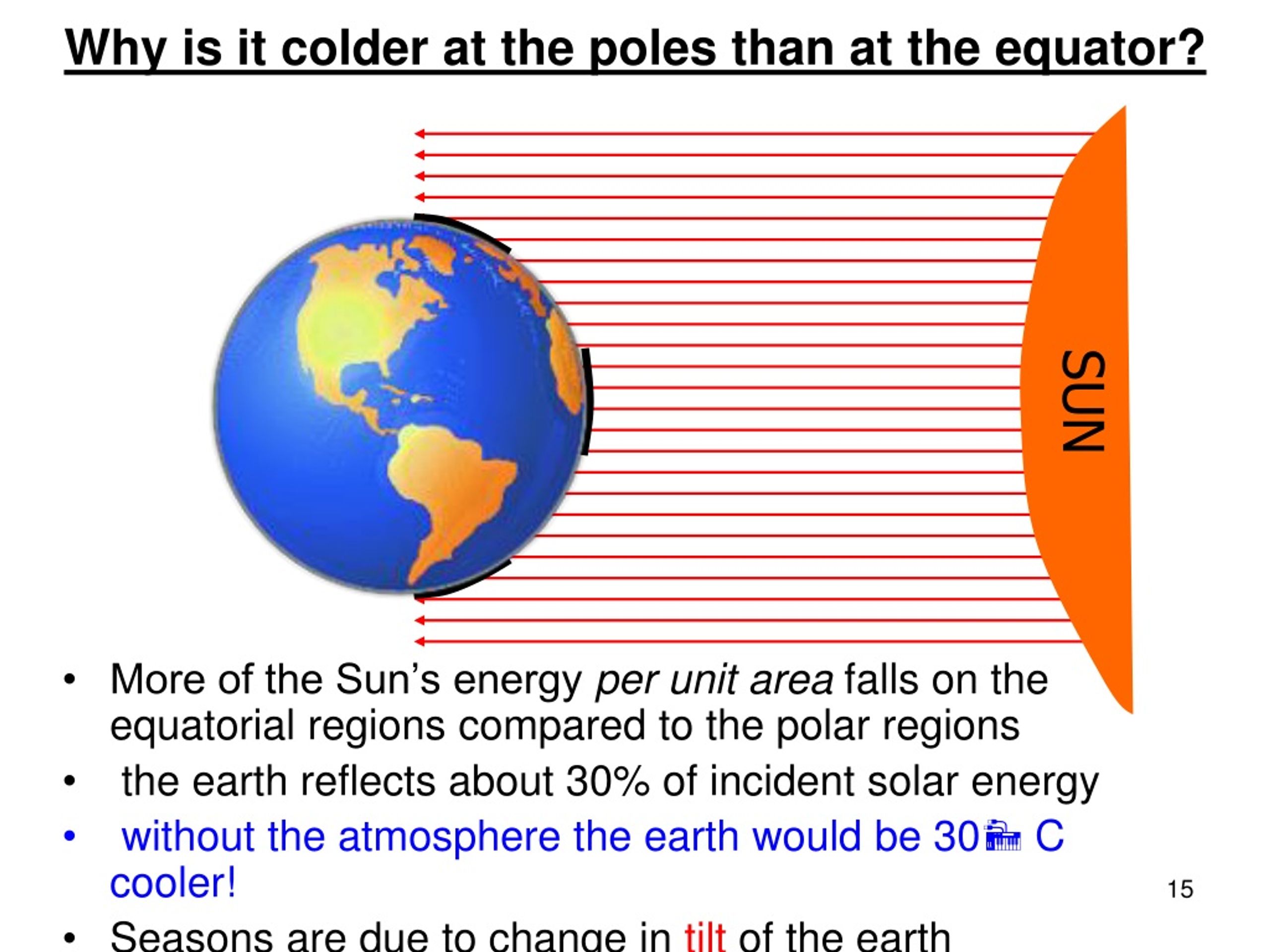
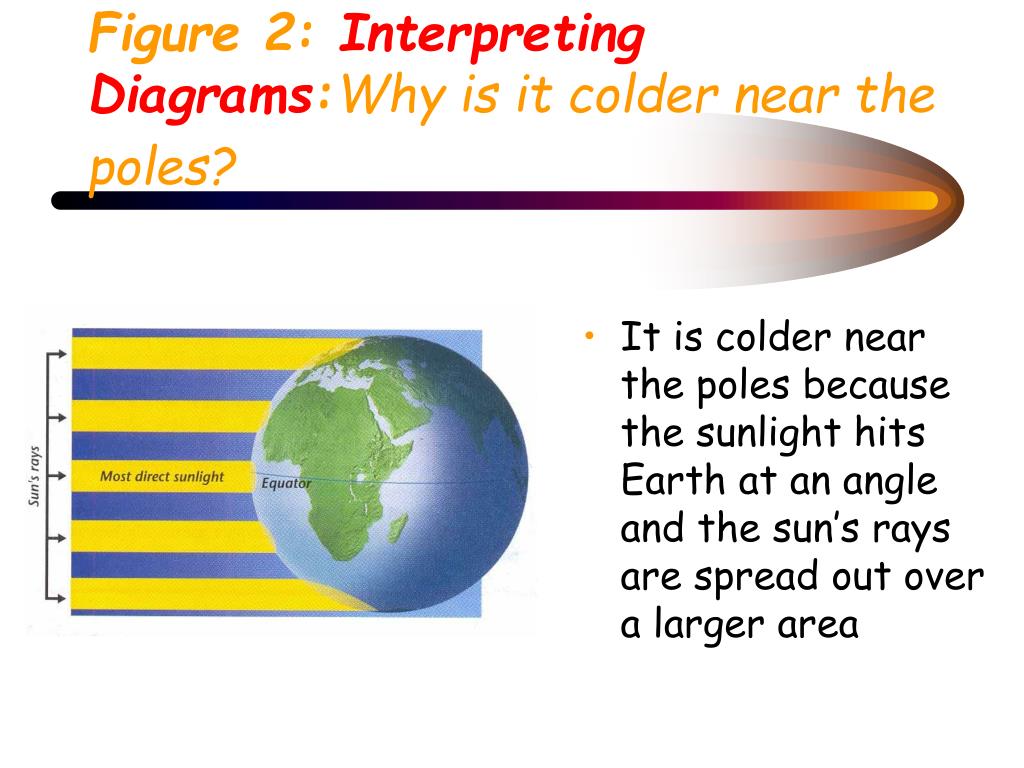
Near the equator, our planet gets a direct hit from the sun’s rays, like standing right under that showerhead. This means a lot of warmth is concentrated in a smaller area, making places like the Amazon rainforest feel toasty.
But up at the poles? It's like standing way off to the side. The sun’s rays hit the Earth at a much shallower angle. They have to spread their warmth over a much larger area, which means each bit of land or sea gets less of that lovely, concentrated sunshine. Think of it like trying to light a big room with a tiny flashlight – if you point it straight down, it's bright in one spot. But if you hold it at an angle, the light spreads out, becoming much dimmer everywhere.
This happens because our wonderful Earth isn’t spinning perfectly upright like a top straight up and down. Nope, it's actually tilted, a bit like a playful kid leaning to one side. This tilt means the poles are always kind of "leaning away" from the sun’s most direct warmth, especially during their respective winters (which, by the way, last for months and months!).
The "White Blanket" Effect: Mirror, Mirror on the Ice
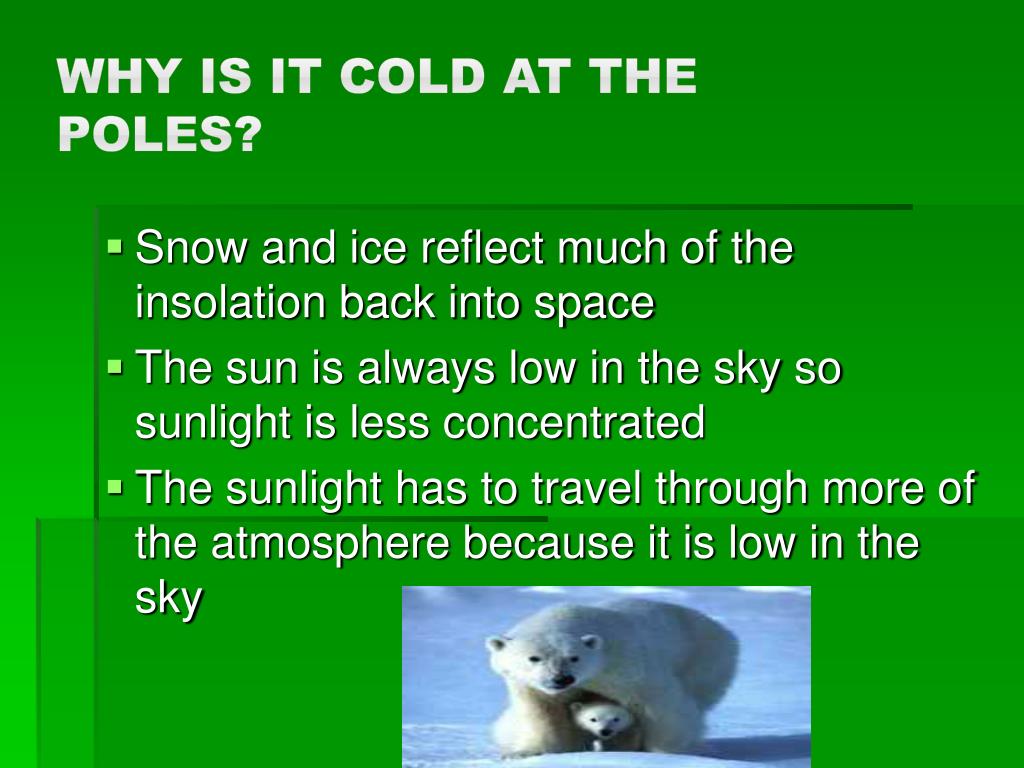
Now, let’s add another layer to this frosty cake. Once those already-slanted sunbeams manage to reach the poles, what do they encounter? Vast expanses of snow and ice!
Think about wearing a dark t-shirt versus a white t-shirt on a sunny day. The dark shirt absorbs all that lovely heat, making you feel warmer, right? But the white shirt? It reflects a lot of that sunshine, keeping you cooler.
The snow and ice at the poles are like the Earth’s giant, natural white t-shirt. They are incredibly good at reflecting sunlight back into space. This reflective power is called "albedo" (a fancy word for shininess!). So, not only do the poles get less direct sunlight, but a huge chunk of the sunlight they *do* receive just bounces right off, leaving the surface even colder. It’s like a super-efficient heat repellent!
The Long, Dark Winter & The Chilly Breeze
Another factor, especially for the very top and bottom of the world, is the sheer length of their winter. Due to that tilt we talked about, the poles experience months of continuous darkness or very low-angle sun. Imagine turning off the heater in your house for months on end – it’s bound to get pretty chilly, even if you started with a bit of warmth!
And let's not forget the wind! The cold air over the poles tends to sink, creating high-pressure systems. When this air moves, it creates powerful, freezing winds that can make already sub-zero temperatures feel even more brutal. It’s like standing in front of an open freezer door, but on a planetary scale!
So, Why Should We Care About This Icy Playground?
"Okay, cool science lesson," you might be thinking, "but why should *I*, sitting here with my warm tea, care if the poles are cold?" Good question! It's not just about appreciating the incredible fortitude of polar bears or the adorable waddle of penguins (though they are pretty compelling reasons!).
1. Our Global Air Conditioner:
The poles act like the Earth's giant refrigerator or air conditioner. That cold air and water don't just stay put; they influence weather patterns and ocean currents all over the globe. Changes at the poles can literally affect the jet stream, influencing how storms track and what kind of winters we have in places far, far away. So, if the fridge starts acting up, we all feel the ripple effect!
2. Our Planet's Storybook:
The ice at the poles holds secrets! Scientists can drill into it and extract "ice cores" – long tubes of ice that contain trapped air bubbles and dust from thousands, even hundreds of thousands of years ago. These are like ancient storybooks, telling us what the Earth’s climate was like long before humans started writing things down. It’s a phenomenal natural archive!
3. Sea Level Superstars (or Super Worries):
Most importantly, the melting ice at the poles (especially the land-based ice sheets in Greenland and Antarctica) is a major contributor to rising sea levels. While an ice cube melting in your drink doesn't overflow it (because the ice displaced the water already), land ice melting and flowing into the ocean is like adding new water to your cup. This has real consequences for coastal cities and communities worldwide, including yours truly!So, the next time you hear about the poles, remember they’re not just chilly, distant lands. They’re a crucial, fascinating, and incredibly important part of our planet's intricate system, silently working behind the scenes to affect us all. Let's appreciate their frosty magic and understand their vital role in our shared home!