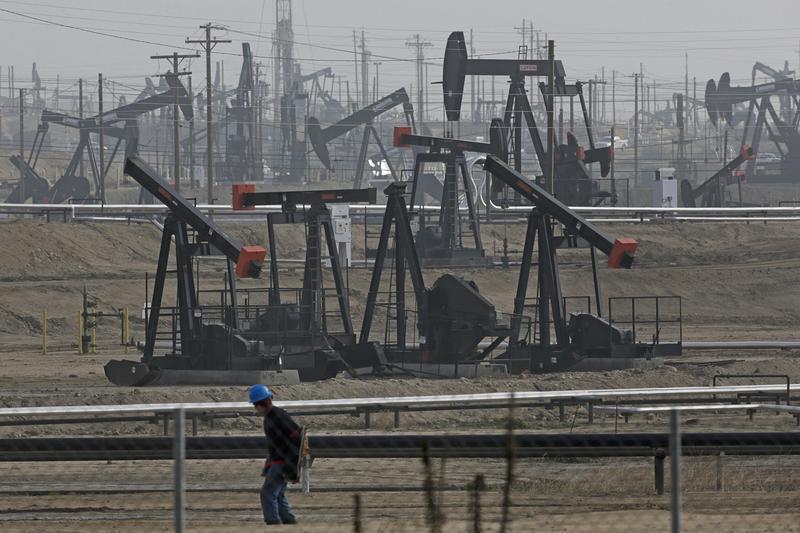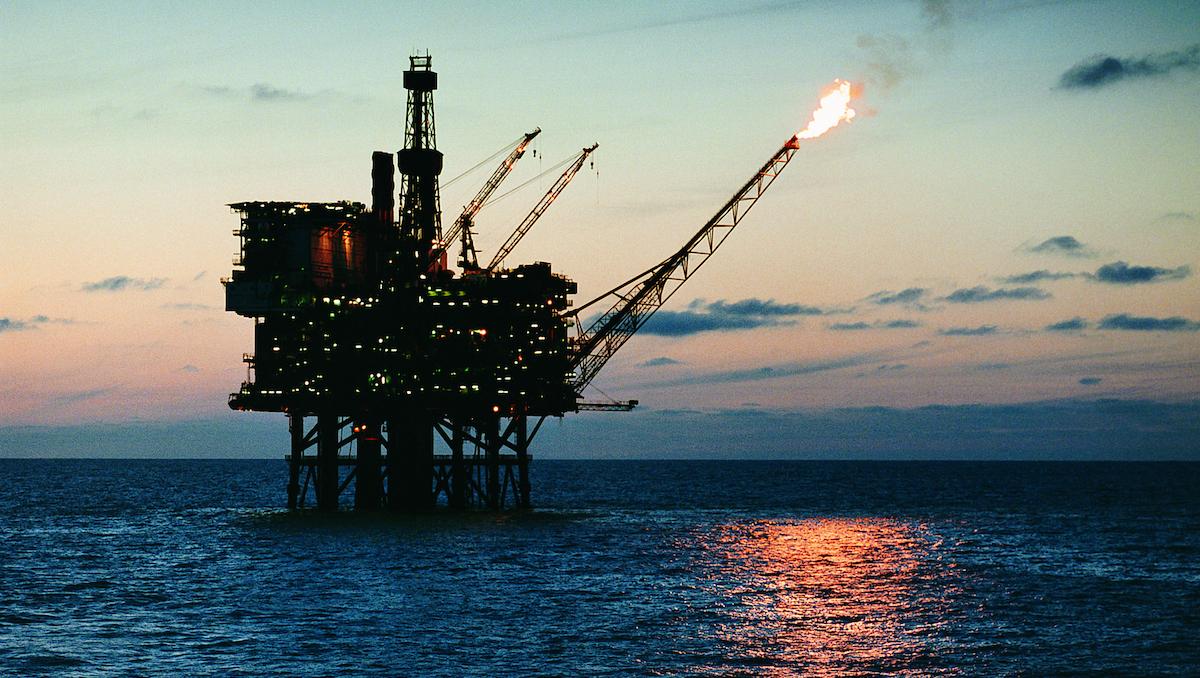
Ever stopped to ponder the incredible journey of the stuff that powers our world? We're talking about oil, that thick, dark liquid often dubbed "black gold." It’s everywhere, from the gas in our cars to the plastic in our phones, and its extraction, known as drilling, is a monumental global enterprise. But why is something so utterly foundational to modern life also seen as, well, bad? It’s a fascinating question, full of complexities, and diving into it can truly illuminate how our planet and society work.
To understand why drilling for oil has such a polarizing reputation, we first have to appreciate its undeniable utility. For over a century, oil has been the primary energy source driving industrial and technological advancement. It provides fuel for nearly all transportation – cars, planes, ships – and is a crucial component in electricity generation in many regions. Beyond energy, it's the raw material, the feedstock, for an astounding array of products. Think about the convenience and widespread benefits oil has brought us, shaping the very fabric of our contemporary world.
The applications of oil in our daily lives are almost too numerous to count. Every time you drive to work, fly for a holiday, or heat your home, you're likely relying on oil-derived fuels. But it doesn’t stop there. Plastics, from medical equipment like syringes and IV bags to the packaging that keeps our food fresh, are made from petroleum. Your smartphone casing, synthetic fibers in your clothing, tires on your car, even asphalt on the roads – all have their origins in oil. It’s hard to imagine life without these ubiquitous petroleum products, which highlights our profound dependence.
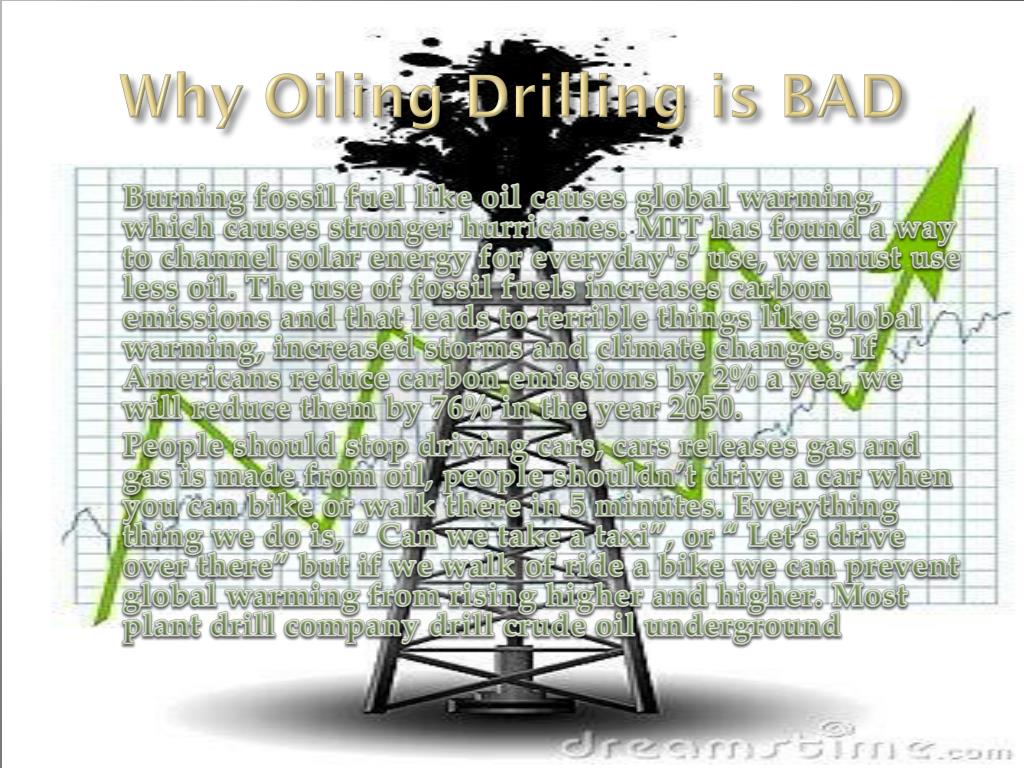
So, with all these benefits, what’s the catch? The primary concern revolves around its environmental impact. Drilling itself can disrupt ecosystems, and accidental oil spills, like the infamous Deepwater Horizon incident, can devastate marine life and coastal communities for years. More broadly, the big issue is climate change. When oil and other fossil fuels are burned, they release massive amounts of carbon dioxide (CO2) and other greenhouse gases into the atmosphere. These gases trap heat, leading to global warming, extreme weather events, rising sea levels, and a host of other ecological challenges.
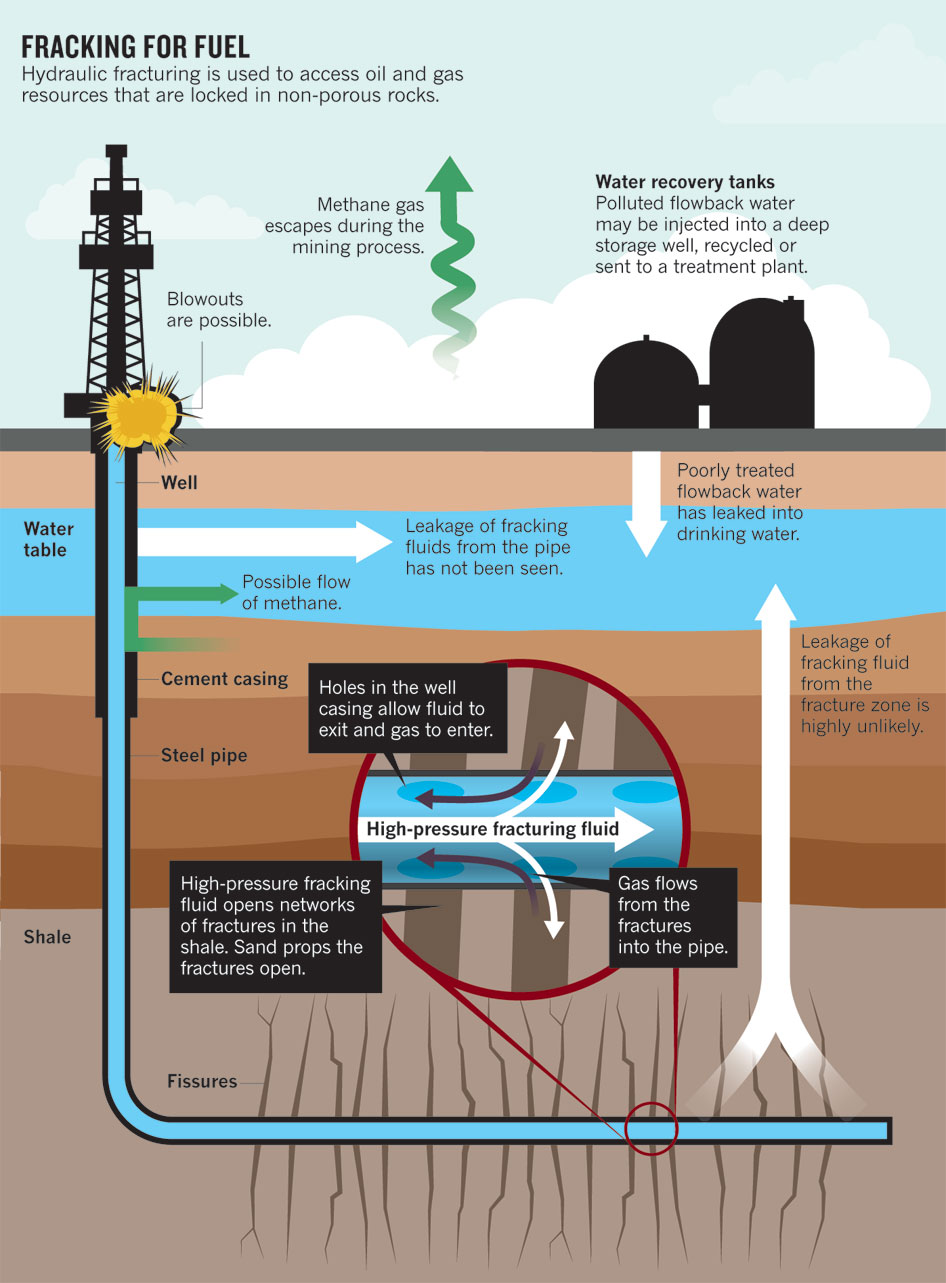
Beyond the environmental fallout, there are other downsides. Oil is a finite resource, meaning we're extracting something that took millions of years to form, at a rate that's unsustainable. This scarcity often leads to geopolitical tensions and conflicts. Furthermore, the infrastructure required for drilling, refining, and transporting oil can contribute to local air and water pollution, affecting the health of nearby communities. Recognizing these significant drawbacks has propelled a global push towards an energy transition, seeking cleaner, renewable alternatives.
If you're curious to explore this topic further, there are many simple ways to start! Begin by observing your own consumption – how much plastic do you use? How do you travel? Research renewable energy sources like solar, wind, and geothermal power to understand their potential. Look into the lifecycle of everyday products and consider how their origins might be linked to fossil fuels. Supporting sustainable practices, understanding policy initiatives around green energy, and simply being more aware of where our energy comes from can be incredibly insightful ways to engage with this vital and complex subject.