Ever flicked on your stove, taken a hot shower, or warmed your home with a cozy furnace? Chances are, you're interacting with natural gas or propane every single day. These invisible powerhouses bring immense convenience to our lives, yet they also hold a hidden potential for danger. Learning about why a gas leak is dangerous isn't about scaring ourselves; it's about empowering ourselves with knowledge. It's actually quite fascinating to peek behind the curtain of something so ubiquitous and understand the science and safety involved. Think of it as unraveling a tiny, crucial mystery that keeps us all safe and sound!
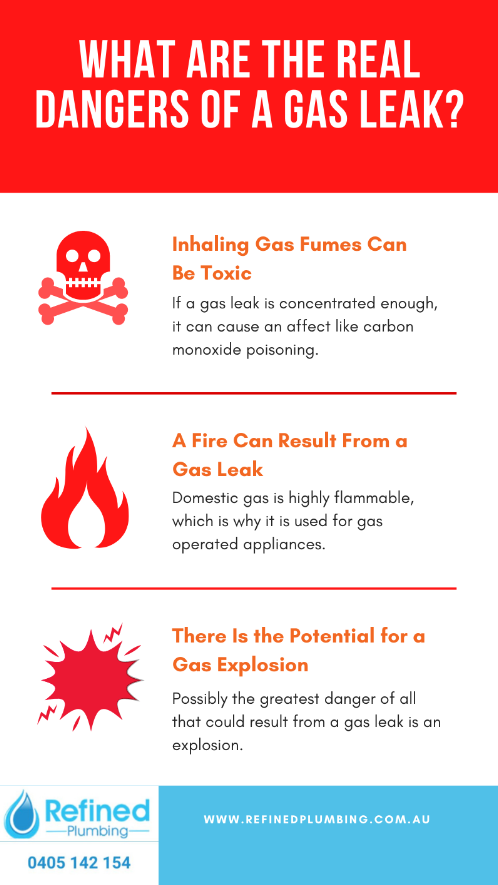
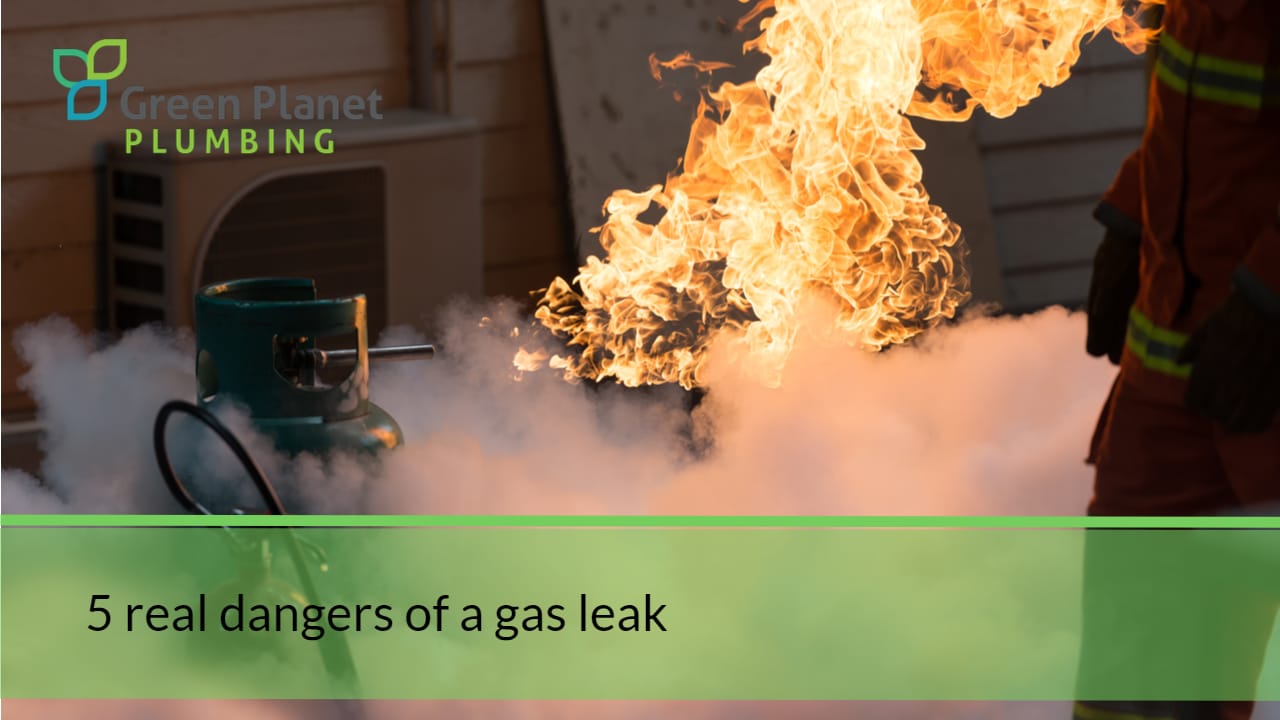
The primary purpose of understanding gas leak dangers is straightforward: safety, pure and simple. The benefit? It's immeasurable, protecting our homes, our families, and even our pets from potentially devastating accidents. When we talk about gas leaks, we're usually thinking about two main culprits: the gas used for heating and cooking (like natural gas or propane), and carbon monoxide. Natural gas and propane, while incredibly useful, are highly flammable. A leak can quickly create an explosive atmosphere, where a single spark – from a light switch, a phone, or even static electricity – could trigger a fire or explosion. Beyond flammability, these gases can also displace oxygen, leading to asphyxiation if inhaled in high concentrations in an enclosed space. Carbon monoxide, on the other hand, is a silent killer; it's odorless, colorless, and tasteless. It binds to our blood cells far more readily than oxygen, essentially suffocating us from the inside out without us even realizing it.
Understanding these dangers plays a vital role in our daily lives and even in education. In schools, chemistry classes might touch upon the properties of gases, explaining why some are so reactive or toxic. More practically, safety drills often include protocols for gas leaks, and many communities offer public safety campaigns to raise awareness. In our homes, this knowledge translates into practical habits: we learn to recognize the distinctive "rotten egg" smell that gas companies add to natural gas as a warning sign. We learn the importance of installing and regularly testing carbon monoxide detectors. It's about knowing where your main gas shut-off valve is and ensuring appliances are serviced by professionals. These aren't just rules; they're informed actions based on understanding the risks.
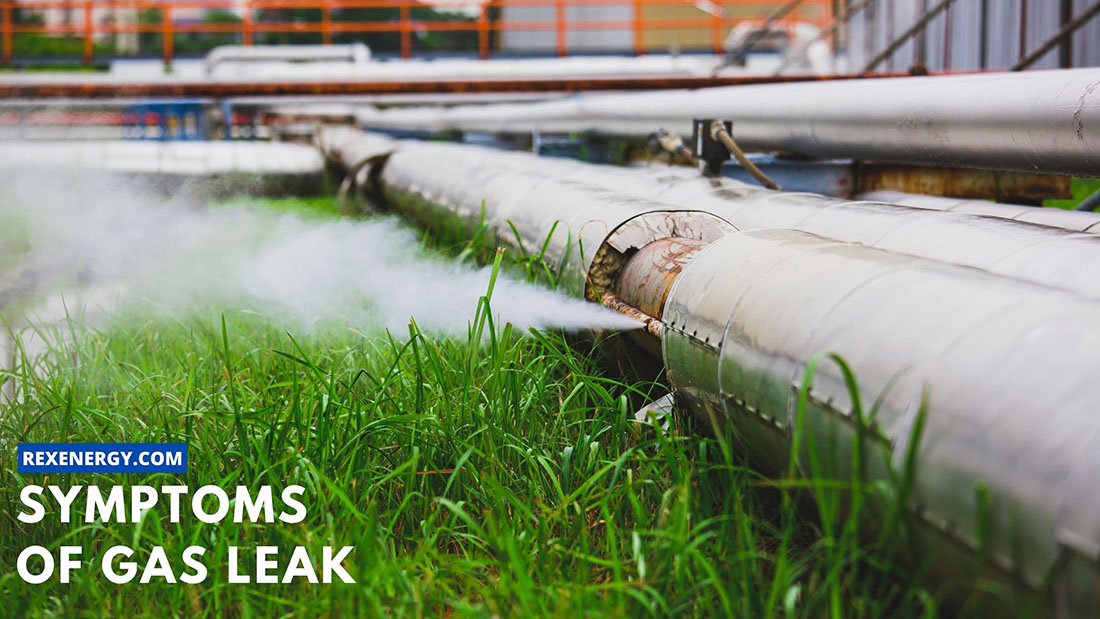
So, how can you "explore" this topic safely? It’s wonderfully easy! Start by simply trusting your senses: if you ever smell that sulfurous rotten-egg odor, that’s your first and most important warning sign. Never ignore it! Familiarize yourself with the sounds of your home; a faint hissing could indicate a leak. A practical tip: locate your main gas shut-off valve today, so you know exactly where it is in an emergency. Get into the habit of checking the batteries in your carbon monoxide and smoke detectors regularly – they are your invisible guardians. You can also visit the websites of your local gas utility company or fire department; they often have excellent resources, safety videos, and detailed instructions on what to do if you suspect a leak. Learning about gas safety isn't just a chore; it’s an empowering step towards a safer, more informed home for everyone.