One minute you're scrolling through your phone, lights blazing. The next, everything goes dark. Your fridge groans to a halt, and the Wi-Fi signal vanishes into thin air. Welcome to the mysterious world of a power outage!
It's a moment of sudden quiet, often followed by a chorus of sighs. But have you ever stopped to wonder, "Why did my house suddenly lose power?" It's a common question with many fascinating answers.
Losing power can feel a bit like a magic trick gone wrong. One moment electricity is there, powering our lives. The next, it's just gone, leaving us in the dark.
Let's peek behind the curtain. Understanding why your lights flicker out is less mysterious than it seems. It's often about a chain of events, from big storms to tiny creatures.
Your Power's Amazing Journey
First, imagine electricity as a long, invisible river. This river starts far away, at a power plant. Here, giant generators spin to create the electricity we use every day.
These plants can use many different kinds of fuel. Some burn coal or natural gas, while others harness the power of water (hydroelectric) or wind. Nuclear energy and solar panels also play a role.
From the power plant, our electric river starts its grand journey. It travels through massive transmission lines, those huge towers you see stretching across the countryside. These lines carry electricity at very high voltages.
The voltage is then reduced at big switching stations called substations. Think of these as a series of big electrical pit stops. Here, the electricity is prepared for its next leg of the journey.
Smaller distribution lines then pick up the flow. These are the poles and wires you see along your streets. They bring power closer and closer to your neighborhood.
Right before it enters your home, there's a special device. It's often a gray cylinder on a pole or a green box in your yard. This is a transformer, and it's super important.
The transformer lowers the voltage one last time. It makes the electricity safe for your home's wiring. Without it, your appliances would simply fry!
So, your power has a long and winding journey. From a distant plant, through towering lines and substations, down to your street. It’s quite the adventure even before it reaches your light switch.
The Usual Suspects: Why the Lights Go Out
Now, let's talk about why this amazing flow of electricity sometimes stops. There are a few common troublemakers.
Mother Nature's Mood Swings
Ah, the weather! It's often the biggest culprit when your lights go out. A simple storm can cause all sorts of havoc.
Strong winds love to toss branches around. Sometimes, these branches decide to land right on a power line. *Zap*! And your power takes a vacation.
Ice storms are even trickier. They coat everything in a heavy, glassy layer. This extra weight can snap branches or even entire utility poles.
Lightning is another big show-stopper. A direct strike can severely damage electrical equipment. It's like nature's very own circuit breaker trip, but on a grand scale.
Heavy snow can also be a problem. It can weigh down lines and trees, much like ice. And floods can damage underground systems or substations, too.
Extreme heat waves can also put a strain on the grid. Everyone cranks up their AC, demanding more power. Sometimes, this can lead to equipment overheating or intentional shutdowns to prevent bigger failures.
Tree Troubles
Even on a calm, sunny day, trees can cause issues. Branches can grow too close to power lines over time. A slight sway can cause contact.
Tree roots can also mess with underground power cables. It's not always above ground problems. Regular tree trimming by utility companies helps a lot, but they can't get every branch.
It's amazing how a single branch can bring down a whole neighborhood's power. It’s a testament to how sensitive the system can be.
Creature Features
Believe it or not, tiny animals can be huge headaches for the power grid. Squirrels, birds, and even snakes sometimes get into places they shouldn't.
A curious squirrel might scamper onto a transformer. If it touches two live parts, it can create a short circuit. This often trips a breaker, taking out power.
Birds nesting on power poles can also cause problems. Their nests or even their bodies can bridge connections, leading to sparks and outages. It’s an unexpected challenge for utility crews.
"Who knew a little squirrel could bring a whole block to a halt?"
Equipment Hiccups
Like anything mechanical, electrical equipment can fail. Transformers can blow, power lines can sag and break, and utility poles can weaken over time.
These failures can happen unexpectedly. Age, wear and tear, or even manufacturing defects play a role. Crews work hard to maintain the system, but perfection is tough.
Sometimes you might hear a loud *POP* or *BANG* before the power goes out. That's often a sign of a transformer failing. It's a dramatic end to its service!
Accidents Happen
Unfortunately, sometimes human accidents are to blame. A car veering off the road and hitting a utility pole is a classic example.
Construction crews digging without knowing where underground cables are buried can also cause outages. This is why you should always call before you dig!
These kinds of accidents usually cause localized outages. They affect just a small area, but they require significant repair work.
Planned Outages (The Good Kind)
Not all outages are bad news. Sometimes, the power company will intentionally shut off power. This is usually for scheduled maintenance or upgrades.
They might be replacing old equipment or upgrading lines. These are announced in advance. It's inconvenient, but it ensures more reliable power in the long run.
Think of it as a doctor doing a check-up. They might temporarily inconvenience you, but it’s for your long-term health. In this case, for the health of your power grid.
What Happens Next?
When an outage occurs, specialized equipment detects the problem. It could be a tripped circuit breaker at a substation or a sensor on a power line.
Utility companies dispatch crews to find the fault. They follow the line, looking for downed wires, damaged poles, or blown transformers. It's often a hunt in the dark.
Their goal is to safely isolate the problem area and then repair it. This can involve replacing wires, splicing cables, or installing new equipment. It's skilled, dangerous work.
Once the repair is made and safety checks are complete, power is restored. Sometimes it's a gradual process, as different sections come back online.
What Can You Do?
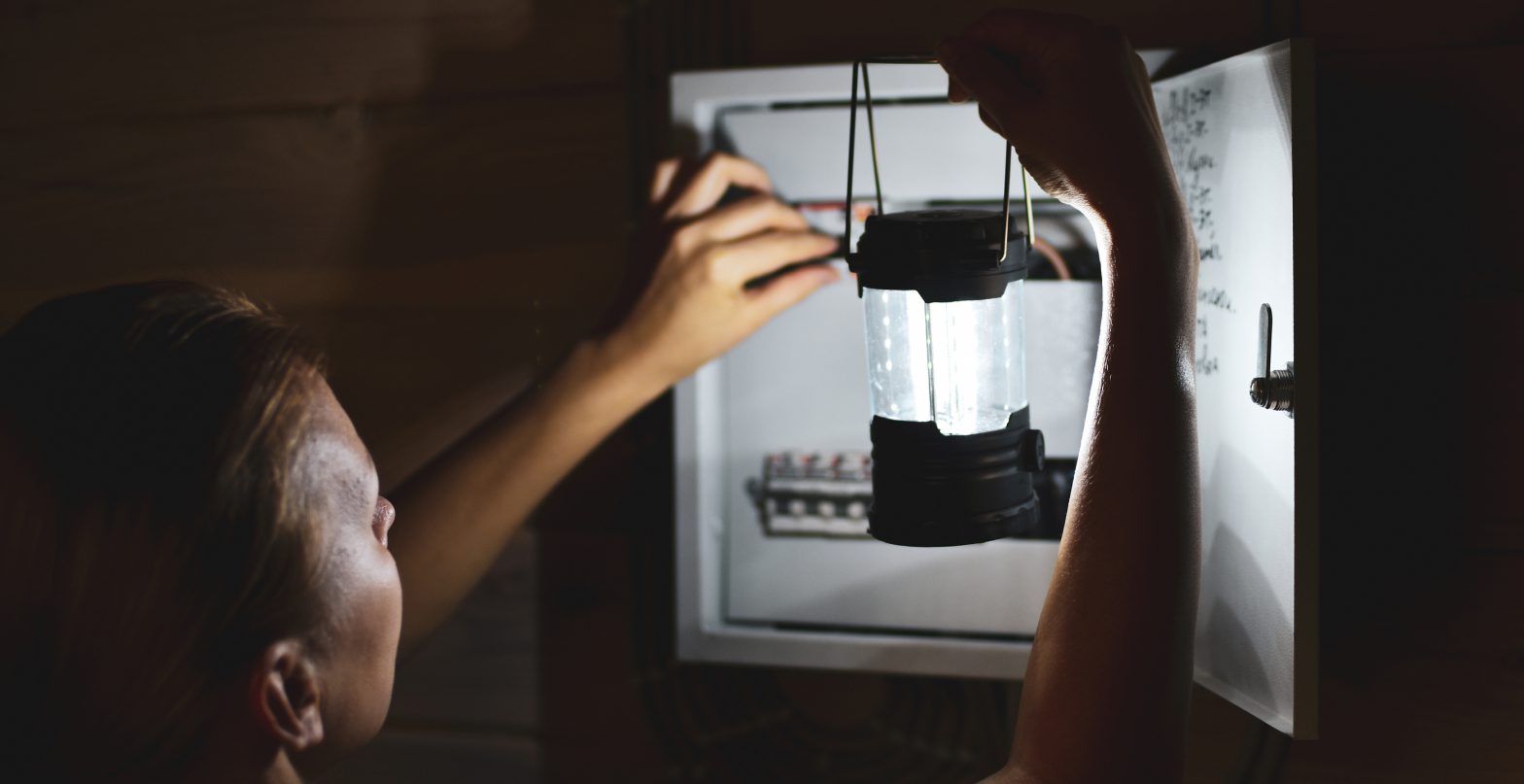
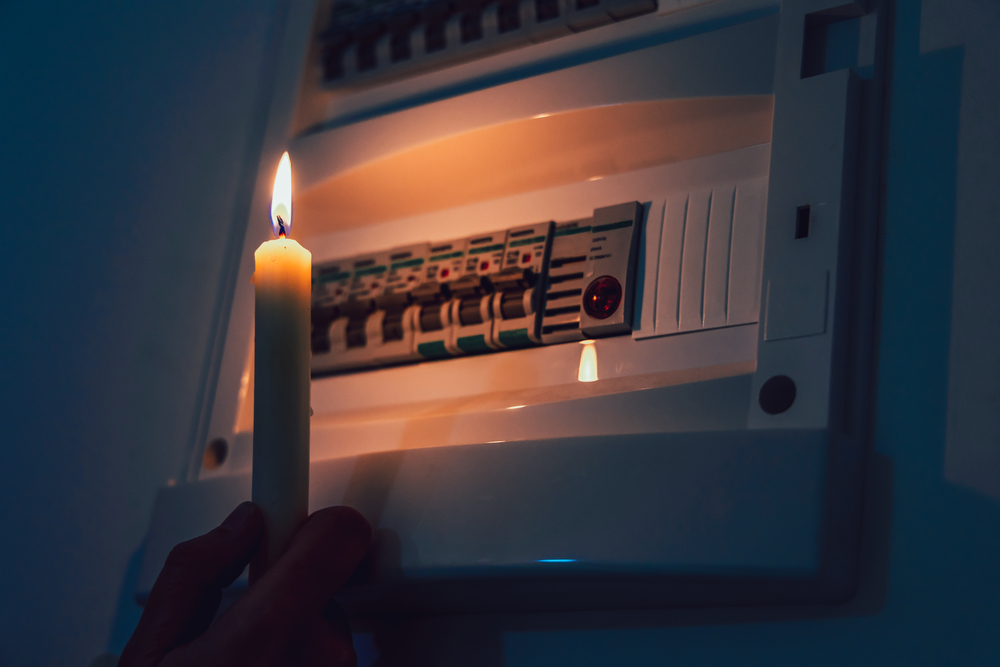
When the lights go out, first check your own circuit breakers. Sometimes, only part of your house is out. A tripped breaker might be the simple fix.
Look outside. Do you see lights on at your neighbor's house? This helps determine if it's just your home or a wider outage.
Then, report the outage to your power company. They rely on these reports to pinpoint where the problems are. Many have apps or websites now.
So, the next time your house goes dark, take a moment. Remember the incredible journey electricity makes to reach you. And ponder the many reasons why it might have taken a little break.
It's a complex system, but incredibly resilient. And the people who work to keep it running are true unsung heroes. Perhaps this little peek into the power grid makes the next outage a little less frustrating, and a little more understandable.
.jpg)