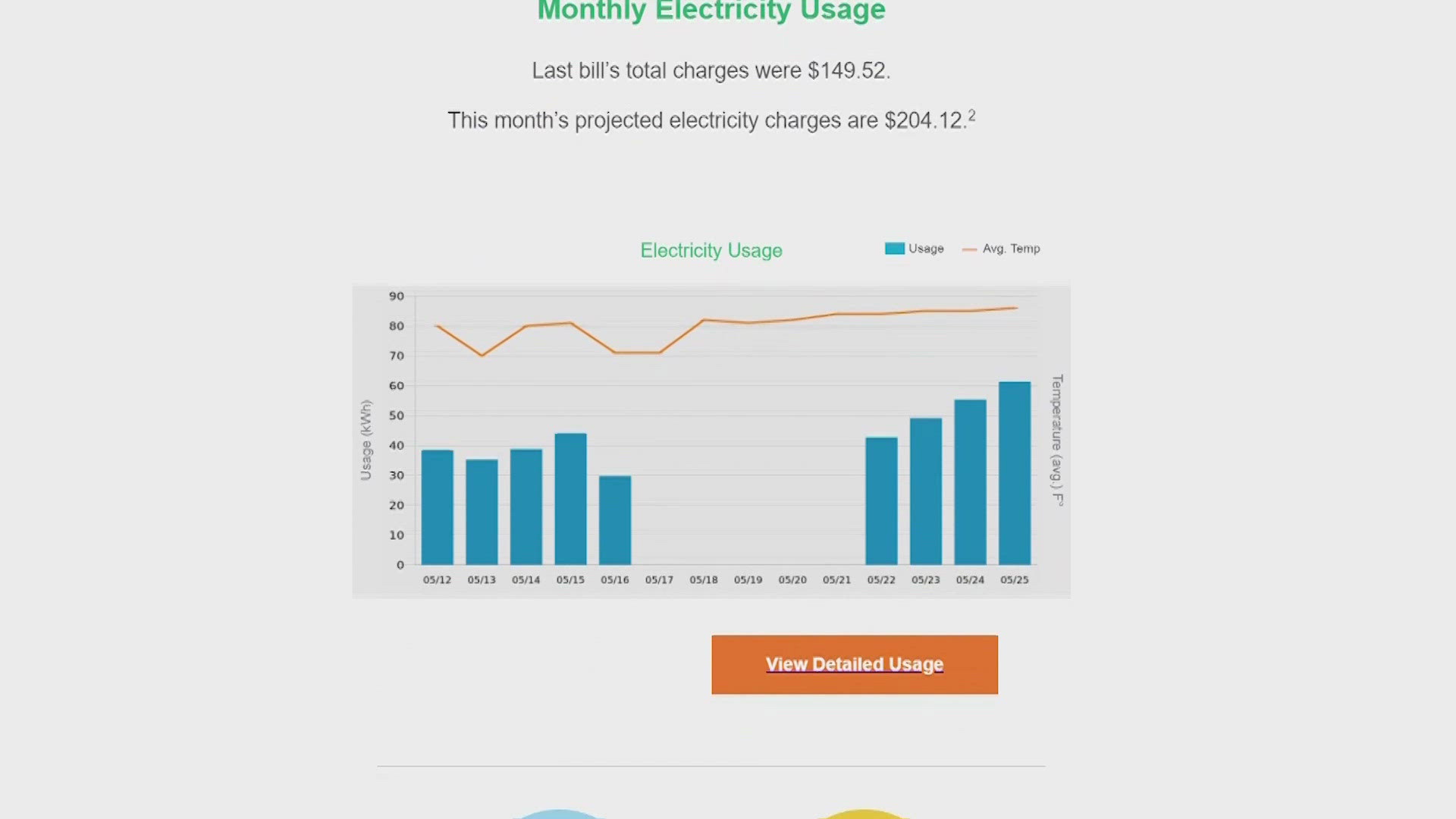
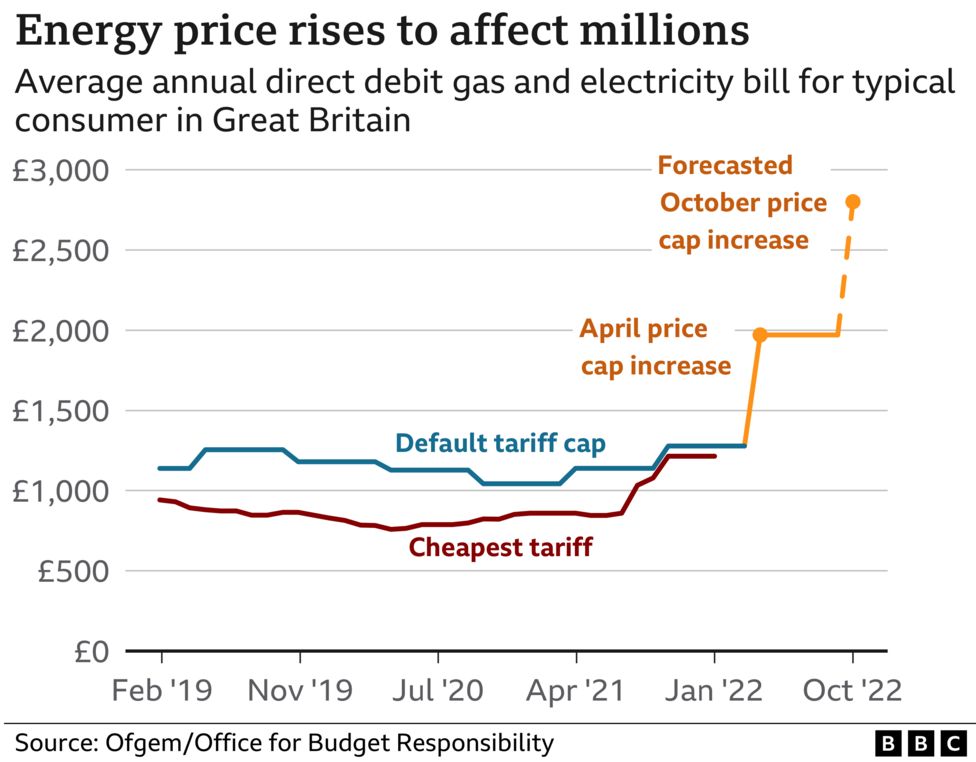
Okay, spill the beans. Did your electric bill just punch you in the face too? Because mine did. And I'm sitting here, staring at the number, wondering if I accidentally bought a small, energy-guzzling dragon without realizing it. No? Just me? Thought so. But seriously, that sudden spike? It’s enough to make you wanna unplug everything and live by candlelight, isn't it? Let’s grab a virtual coffee and figure out what in the actual wattage is going on.
The Usual Suspects: Temperature Tantrums
First things first, let’s state the obvious, shall we? Did it get really hot? Or really cold? Because if so, your air conditioning unit (or your heater) just had its big moment, baby. And it wasn't shy about it. Those things are energy hogs, pure and simple. We crank 'em up, blast 'em for hours, and then act surprised when the bill arrives looking like a phone number. "But I was melting!" you cry. Valid. Totally valid. But your wallet just took a hit for that comfort, my friend.
Think about it: every degree you nudge that thermostat, especially during extreme weather, is like adding another little engine to your personal power grid. That's why those peak summer or deep winter months always seem to hit different. Your house is basically trying to fight Mother Nature, and Mother Nature doesn't come cheap, does she? It’s the biggest, most common reason for a bill jump. Always has been, always will be.
Sneaky Energy Vampires: They're Real!
Alright, moving past the obvious. Have you heard of energy vampires? No, not sparkling dudes who suck blood, but rather your electronics that suck power even when they're "off." Yeah, it’s a thing. That TV that's plugged in, waiting patiently to be turned on? The coffee maker with the glowing clock? Your phone charger still in the wall even when your phone isn't attached? They’re all drawing power. A little trickle here, a little trickle there, and suddenly you’ve got a river of wasted electricity.
It’s called "phantom load" or "standby power," and it can add up. Especially if you've got a dozen gadgets plugged in 24/7. Your gaming console that's always ready to rumble, the modem, the router, your smart home hubs... they’re all constantly on standby, waiting for your command. It’s convenient, yes, but it’s also a sneaky little drain on your finances. You might be surprised how much those little lights and silent hums are costing you.
Lifestyle Creep: We're All Guilty
Okay, let’s get personal. Has your life changed recently? Are you working from home more? Binge-watching every single show known to man? Got a new gadget – maybe a fancy air fryer or an extra monitor? All those things add to your energy consumption. More time at home means more lights on, more computers running, more coffee being brewed, more meals cooked.
Did you host a lot? Have kids home from school for a break? Even something as simple as doing more laundry or running the dishwasher more frequently can contribute. It’s not necessarily a bad thing, it just means your energy footprint is bigger because your life is bigger (or at least, your home life is). We often don't notice these subtle shifts until that dreaded bill lands in our inbox. It’s like, "Oh, so that's why my dryer has been working overtime!"
The Invisible Hand: Utility Company Shenanigans?
Sometimes, it's not even us. I know, shocking, right? Your utility company might have quietly adjusted their rates. Fuel costs go up, infrastructure needs maintenance, or maybe they just decided to charge more because they can. It happens. Check your bill for any mentions of "rate adjustments" or "fuel surcharges." Sometimes these increases are small, but they add up, especially if your consumption is also high.
It’s worth giving your utility company's website a quick peek or even calling them. Ask about different rate plans. Maybe you're on a variable rate that spiked, or there's a time-of-use plan that could save you money if you shift your high-energy activities to off-peak hours. It’s not always glamorous detective work, but sometimes the answer is just a few clicks away. Don't be afraid to be an advocate for your own wallet!
The "Is Something Broken?" Panic
Okay, final possible culprit, and this one's a bit scarier: could something be wrong? An old, inefficient appliance, especially a fridge or freezer that's constantly running, can be a huge energy suck. Or maybe your water heater is working overtime because it's faulty or set too high. Drafty windows and doors can make your heating/AC work twice as hard, literally throwing money out the window.
If your bill jump is truly astronomical and none of the above seems to fit, it might be worth investigating if an appliance is on its last legs or if there’s an issue with your home's insulation. Sometimes, it’s not about how much you're using, but how efficiently your house is using it. A quick check for drafts or a professional appliance inspection might uncover a hidden problem that’s literally eating your cash.
So, What Now? Don't Despair!
Look, a high electric bill is a pain, but it’s also a good nudge to take a closer look at our energy habits. Start with the easy stuff: unplug those vampires, be mindful of your thermostat, and embrace natural light when you can. Maybe invest in some smart plugs to automate the "off" switch for your standby devices. Every little bit truly helps.
You’re not alone in this kilowatt conundrum. It happens to the best of us. But armed with a little knowledge, you can fight back and maybe, just maybe, bring that bill back down to a more respectable, less heart-attack-inducing number. Go forth and conquer, my energy-conscious friend!