Ever felt that exhilarating rush as a gust of wind sweeps past you, ruffling your hair and carrying whispers from afar? Or perhaps you've stood in awe, feeling the sheer, raw power of a blustery day, wondering what invisible force is pushing so hard against the world. Wind, in all its forms, is a constant companion on our planet, a natural phenomenon that delights us with a gentle breeze, pushes our sails, and occasionally, leaves us clinging to our hats!
Far from just a fleeting sensation, wind is a vital, invisible force that underpins much of our everyday life and the very functioning of Earth. It’s the planet’s great equalizer, tirelessly working to distribute heat and moisture around the globe. Without wind, our weather systems would grind to a halt, leading to extreme temperature differences and vastly altered climates. It helps pollinate plants, disperses seeds to new grounds, and even shapes landscapes, sculpting mighty sand dunes and carving fascinating rock formations over millennia.
You encounter wind's helpfulness in countless ways. Think about a sailboat gracefully gliding across the water, its sails harnessing nature's thrust. Or the vibrant spectacle of kites dancing high in the sky. On a more practical note, wind has powered human ingenuity for centuries, from ancient windmills grinding grain and pumping water to the sleek, modern wind turbines generating clean, renewable electricity that lights up our homes. Even something as simple as drying clothes on a line relies on the wind's evaporative power.
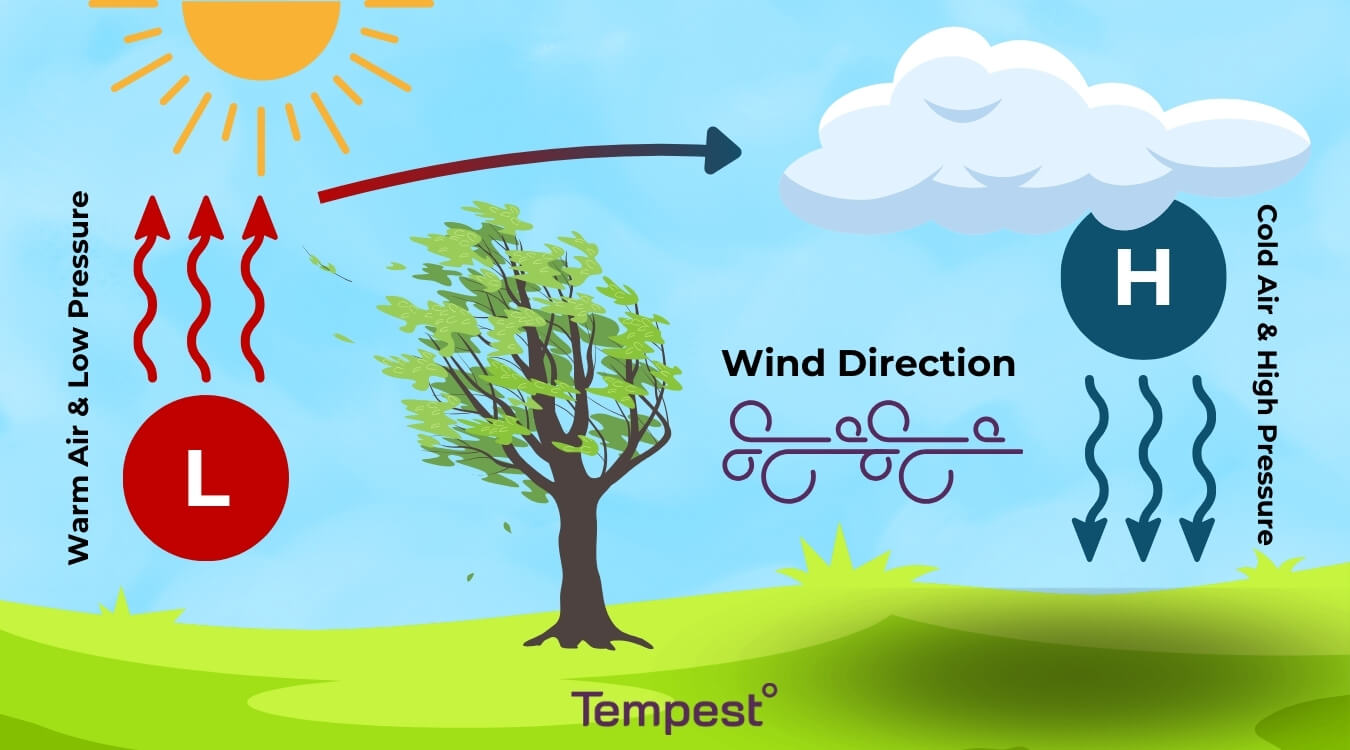
So, why does this invisible force sometimes turn into a mighty, unyielding push? Why are the winds so strong? It all boils down to pressure differences in our atmosphere. The sun heats the Earth unevenly – the equator gets more direct sunlight than the poles, and land heats up faster than water. This creates variations in air temperature. When air warms, it expands and becomes less dense, rising and creating areas of low pressure. Cooler, denser air sinks, forming areas of high pressure. Wind is simply nature's way of trying to balance things out, rushing from areas of high pressure to areas of low pressure.
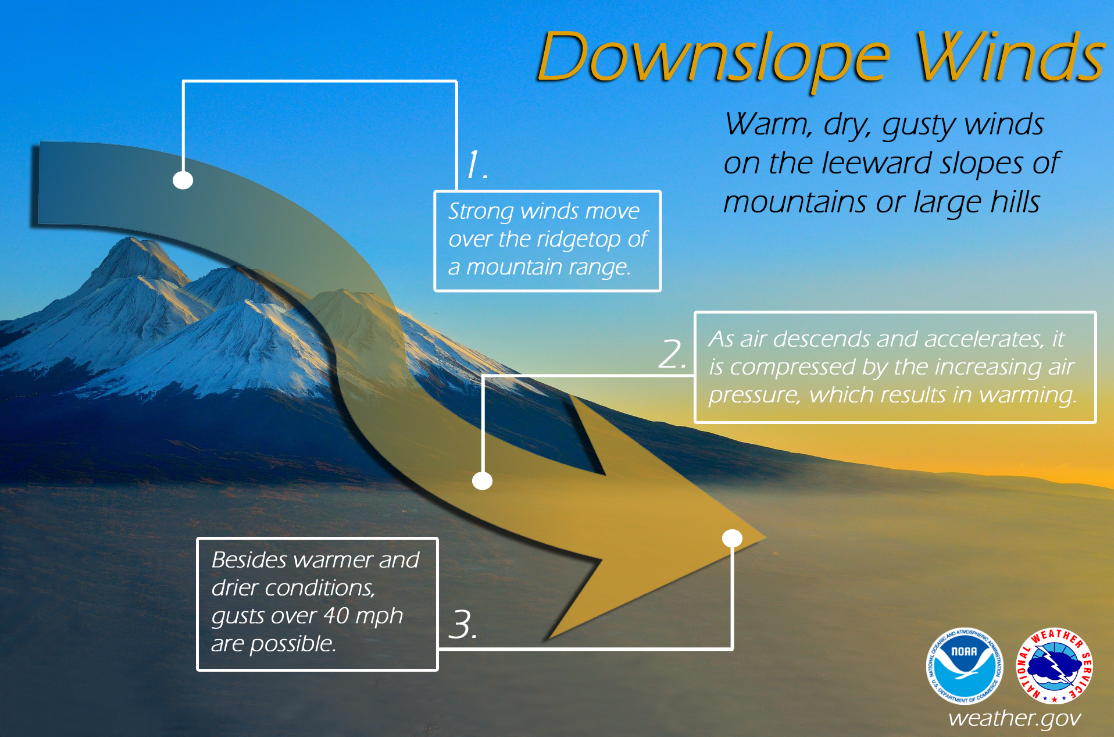
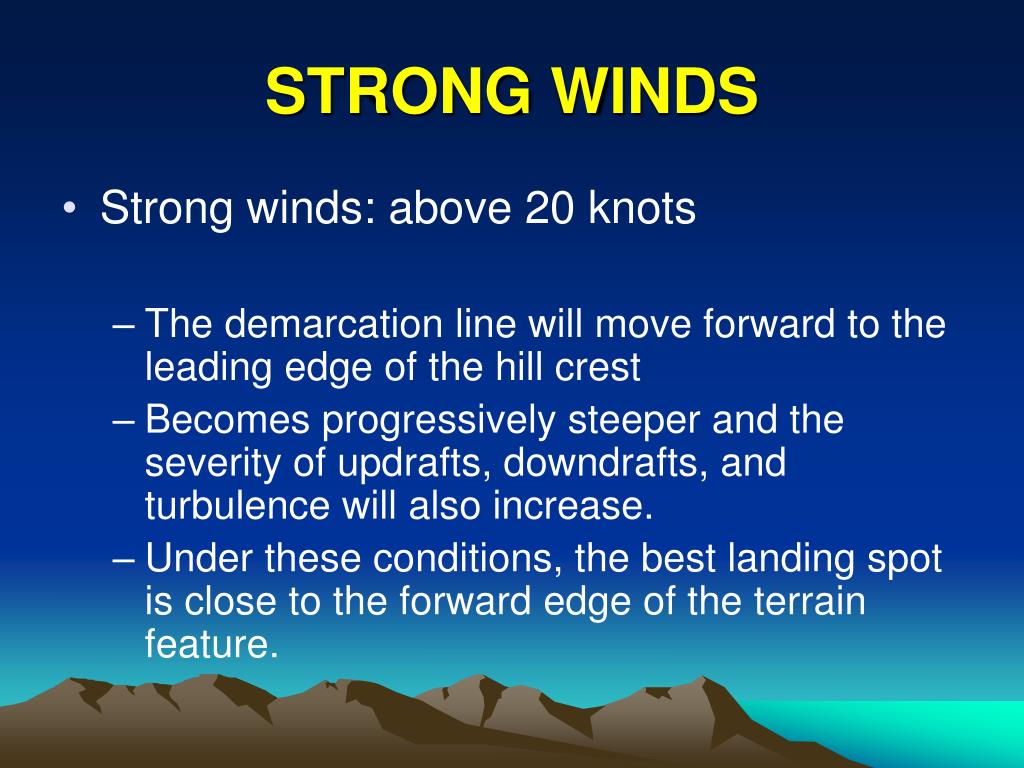
The greater the difference in pressure between two locations, the faster and stronger the wind will blow. Imagine letting go of a blown-up balloon – the air rushes out because of the high pressure inside wanting to equalize with the lower pressure outside. On a global scale, phenomena like the Coriolis effect (due to Earth's rotation) further influence these movements, creating vast, consistent wind patterns like the trade winds and jet streams. Local factors, such as mountains channeling air or the intense low-pressure systems of storms like hurricanes, can amplify these effects, leading to truly powerful gales.
While powerful winds demand respect, understanding them can enhance your appreciation for our planet's dynamic systems. To enjoy the wind more effectively, first and foremost, always be mindful of weather warnings during strong gusts for safety. Then, take a moment to observe: watch the clouds scud across the sky, feel the direction the wind is coming from, and listen to its varied sounds. You can download a simple weather app to track wind speed and direction, giving you a better sense of its current strength. Consider visiting a coastal area or a mountaintop on a blustery day to truly feel its unbridled energy. Or, if you're feeling adventurous and conditions are safe, try a wind-powered activity like flying a sturdy kite or even trying your hand at windsurfing. By learning about the forces at play, you gain not just knowledge, but a deeper connection to the living, breathing world around us.