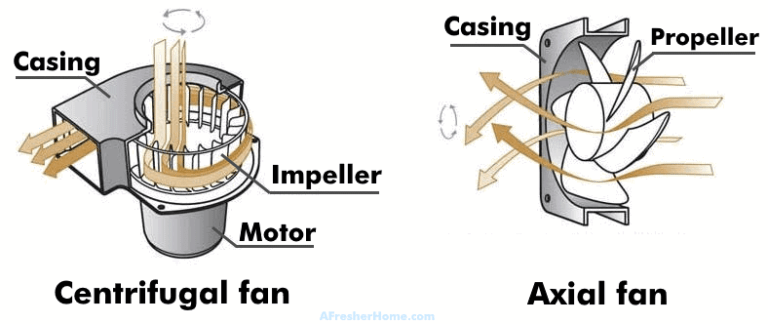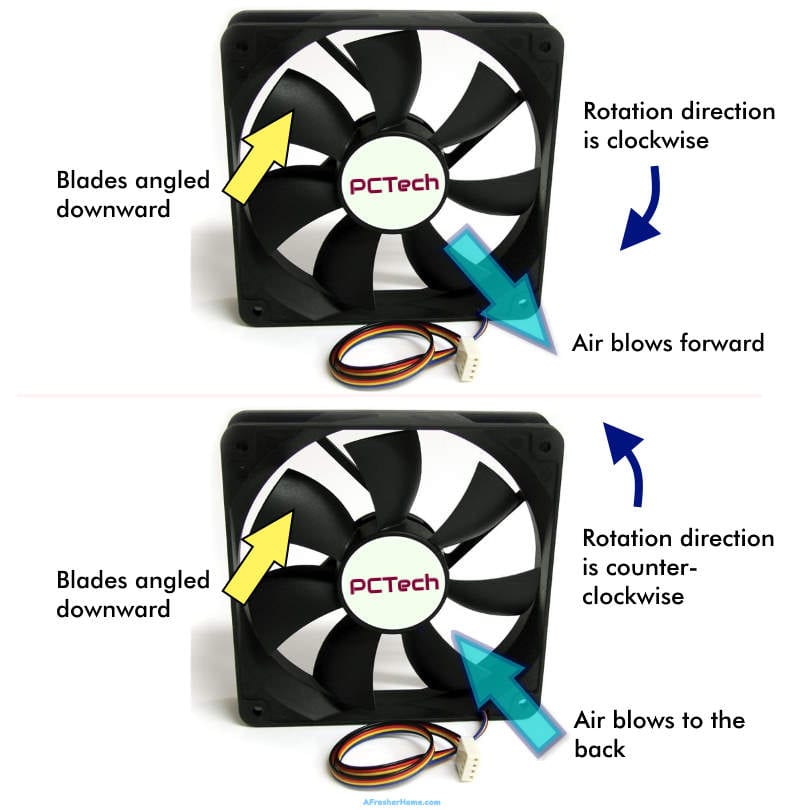
Summer’s here, and with it, the age-old dilemma: how to beat the heat without breaking the bank or wrestling with a grumpy AC unit. Enter the humble fan – our unsung hero of breezy comfort. But here’s the million-dollar question that has probably crossed your mind more than once: Which way should this magical wind machine actually blow? Let's unravel this mystery with a cool head and a touch of breeze.
The "Blow In" Strategy: Inviting the Cool
Picture this: it’s evening, and the outside air finally dips below the sauna-like temperature inside your home. This is your cue for the 'blow-in' strategy. Position your fan facing inward, near an open window or doorway. The goal? To pull that cooler, fresher evening air into your space. It’s like giving your room a much-needed breath of fresh air after a long, hot day, effectively creating a delightful cross-breeze. Think of it as inviting the night's gentle embrace inside.
This method is particularly effective for ventilation and passive cooling, helping to cycle out the stagnant, warm air that has built up during the day. It's an energy-efficient way to reset your indoor climate.
The "Blow Out" Strategy: Evicting the Stuffy
Now, what if your room feels like a stifling oven, or you just cooked up a storm and want to banish those lingering aromas? Time for the 'blow-out' maneuver. Place your fan facing outward, aiming to push the stale, hot, or smelly air out through an open window or door. This technique is fantastic for ventilation, clearing out stuffiness, or even whisking away cooking odors.
By creating a slight negative pressure, you’re effectively vacuuming the unwanted air right out of your life. It's a great strategy when the air outside isn't necessarily cooler than inside, but you need to remove hot, humid, or odorous air. Hello, fresh start!
The "Personal Breeze" Strategy: Direct Comfort
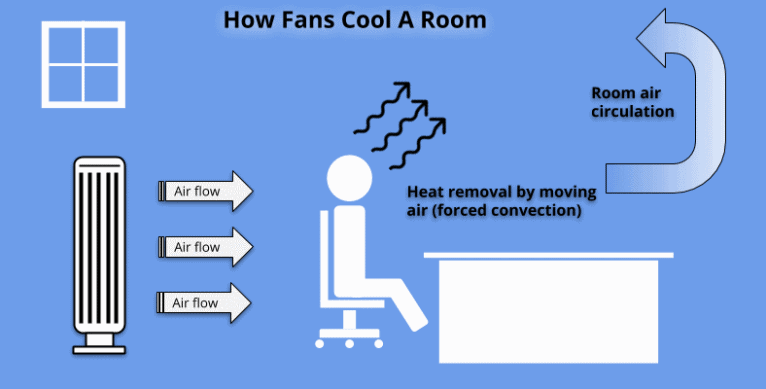
Sometimes, you just need a direct hit of coolness. This is where the 'personal breeze' comes in. Forget cooling the whole room; point that fan directly at yourself. While a fan doesn't actually lower the ambient temperature of a room, it creates a wonderful wind-chill effect on your skin by evaporating sweat. This is why you feel so much cooler when the air is moving directly over you.
Perfect for when you're working at your desk, chilling on the couch, or just need immediate relief. Remember, fans cool people, not rooms, in this scenario. It’s all about creating your own personal microclimate of comfort. Did you know that the sensation of a fan can make you feel up to 8 degrees Fahrenheit cooler?
Ceiling Fans: A Different Spin
Ah, the majestic ceiling fan! These spinning beauties have their own rhythm. In summer, you want them to spin counter-clockwise, pushing air downward to create that delightful breeze. This direct airflow mimics the personal breeze effect, making you feel cooler.
In winter, if you’re trying to redistribute warm air (which naturally rises), reverse the direction to clockwise on a low setting. This gently pulls air up and pushes warm air down the walls, helping to circulate heat without creating a draft. It's a subtle but effective trick for year-round comfort.
Fan Fun Facts & Cultural Nods
Did you know that the earliest known fan dates back to ancient Egypt, found in Tutankhamun's tomb? Talk about staying cool through the millennia! Or that modern 'bladeless' fans actually work by drawing air into their base and then pushing it out through a narrow slit, using principles of fluid dynamics? The magic of aerodynamics!
In Japan, handheld fans (sensu and uchiwa) are not just for cooling but are also significant cultural symbols, used in dance, tea ceremonies, and even as a form of communication. From ancient royalty to modern minimalist design, fans have always been about comfort and a touch of flair.
Practical Tips for Peak Performance
To supercharge your fan's cooling power, try placing a bowl of ice or a frozen water bottle in front of it – hello, makeshift AC! This trick adds a touch of humidity and significantly cools the air being pushed out. Always ensure good cross-ventilation by opening windows on opposite sides of a room. This creates a natural pathway for air to flow, maximizing your fan's efficiency.
And for safety, keep fan blades clear of curious fingers and loose fabrics. For optimal results, fans are most effective when paired with smart window management – close windows when the outside air is hotter than inside, and open them when it’s cooler.
A Breeze Through Life
Ultimately, the "right" way for your fan to blow isn't a rigid rule; it's a mindful choice based on your immediate needs and environment. Just like in life, sometimes you need to pull good things in, sometimes you need to push old things out, and sometimes you just need to focus on what brings you immediate comfort.
So, next time you switch on your fan, take a moment to consider its purpose. A small adjustment can make a big difference, not just to your comfort, but perhaps even to your approach to daily decisions. Keep it cool, stay breezy, and enjoy the flow – because sometimes, the simplest adjustments can lead to the greatest comfort, both in your home and in your everyday.