Ah, summer! That glorious time of year when the sun shines bright, the days stretch long, and we all start thinking about one thing: staying cool. Maybe you're lounging on the patio, maybe you're just trying to survive another scorching afternoon indoors. Whatever your summer scene, chances are a fan is involved. But have you ever stopped to wonder if you're using it the right way?
It sounds like a silly question, right? A fan just blows air, doesn't it? Well, yes and no! It turns out there's a little more to the breezy science of cooling than just plugging it in and hoping for the best. Let's dive into the fascinating world of summer fans and figure out which way they should really be spinning to keep you comfortable.
Ceiling Fans: The Gentle Giants of Summer
Let's start with the big one, literally: the ceiling fan. Most homes have at least one, silently whirring above, creating that lovely, almost imperceptible breeze. But here's the kicker: these aren't just one-trick ponies. They have a secret superpower – the ability to change direction!
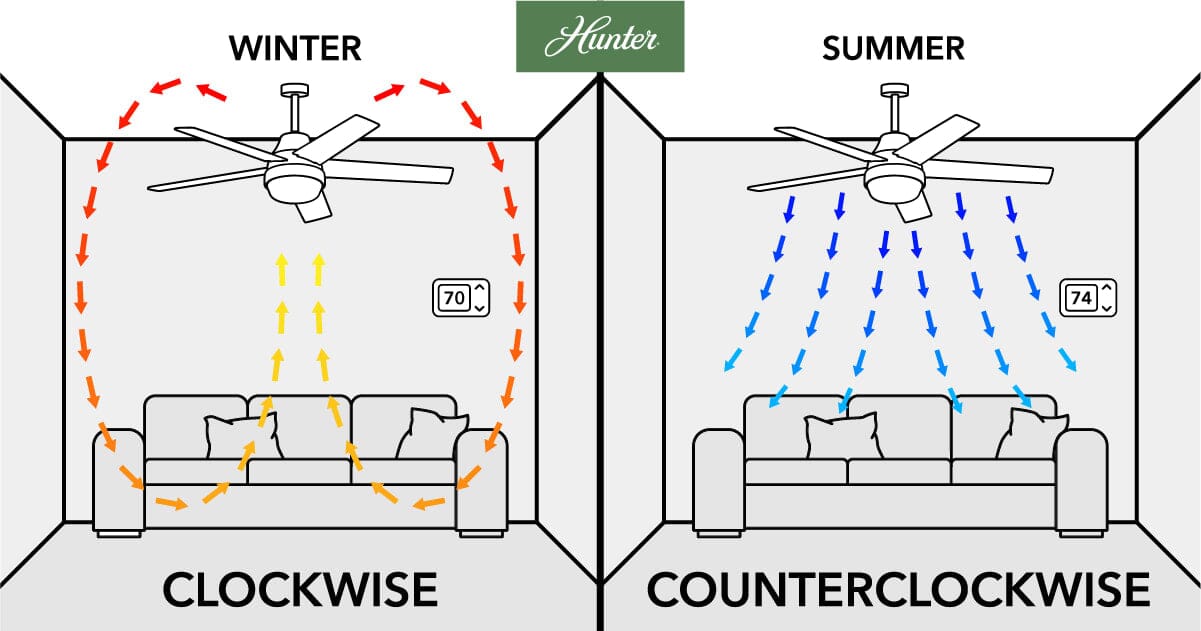
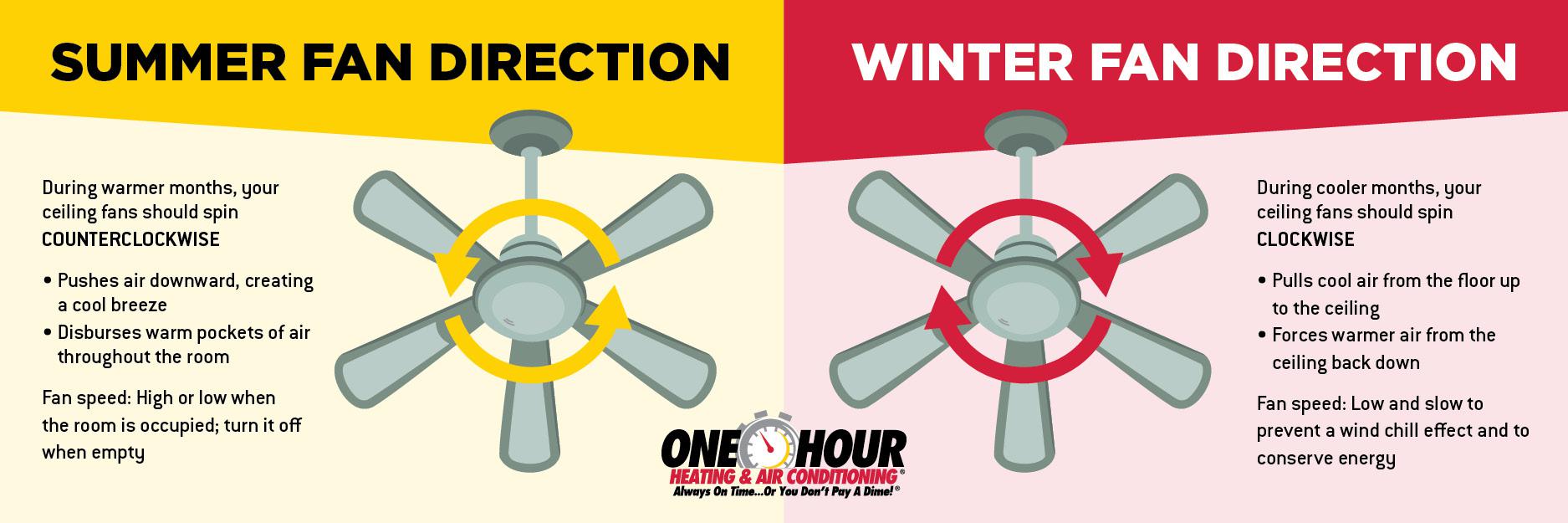
For summer, you want your ceiling fan to spin counter-clockwise. Picture yourself looking up at it: the blades should be pushing air downwards. Why? Because this creates a cooling downdraft, like your own personal, gentle summer breeze. It doesn't actually lower the room temperature, but it helps evaporate moisture from your skin, making you feel significantly cooler. Think of it like a refreshing gust of wind on a hot day – the air isn't colder, but you sure feel like it is!
This is all about the "wind chill" effect. Your body cools itself by sweating, and when that sweat evaporates, it takes heat with it. A fan speeding up that evaporation process is like giving your body's natural cooling system a little turbocharged boost. So, when it's sweltering outside, make sure those blades are pushing air down onto you. It’s a game-changer!
The Winter Trick (Just for a Moment!)
Now, just to illustrate how clever these things are, in winter, you'd actually want your ceiling fan to spin clockwise, slowly. This pulls cool air up and pushes warm air (which rises) down along the walls, recirculating it. It's a neat trick for heating, but for our summer chat, just remember: counter-clockwise is your summer friend!
Box, Tower, and Pedestal Fans: The Direct Approach
Okay, what about the more common, portable fans? Your trusty box fan, the sleek tower fan, or that classic pedestal fan humming in the corner. Do these have a "right" way to go?
Nope! These fans are much simpler in their operation. They're designed to only go one way: forward. Their main job is to create a direct airflow, a focused blast of air that moves heat away from your body or helps circulate air throughout a room. You just point 'em where you want the breeze, and they do their thing.
The trick with these isn't direction, but placement. Want to cool down quickly? Point it directly at you! Trying to air out a stuffy room? Place it strategically near a window to either push hot air out or pull cooler air in from outside. They're the workhorses of direct comfort, no fancy reverse buttons needed.
Exhaust Fans: The Air Cleaners
Now, let's talk about a different kind of fan: the exhaust fan. You know, the one in your bathroom that kicks on after a steamy shower, or the one above your stove. These aren't about making you feel a breeze. Their mission is entirely different: to remove air.
Think of them as mini vacuum cleaners for your air. In the bathroom, they suck out humid, moisture-laden air, preventing mildew and keeping things fresh. In the kitchen, they whisk away cooking odors and steam. They're crucial for indoor air quality and preventing heat and humidity buildup in specific areas. So, while they don't contribute to a direct "cooling breeze," they play a vital role in keeping your home comfortable by getting rid of the stuffy, hot, or smelly air.
HVAC Systems: The Big Chillers
Finally, we have the big kahuna: your home's central air conditioning or HVAC system. This isn't just a fan; it's a whole system that actually *cools* the air. The fan inside your HVAC unit pushes that chilled air throughout your ducts and into your rooms. You can often set your thermostat to just "fan on" which will only circulate air without engaging the cooling coils. This is great for keeping air moving without the energy cost of cooling, especially on milder days.
When your AC is running, having a ceiling fan on in the same room can actually help you feel cooler at a slightly higher thermostat setting, potentially saving you a bit on your energy bill. It's a team effort! The AC cools the air, and the ceiling fan helps distribute that cool air and enhances the feeling of coolness on your skin.
So, Which Way Are Your Fans Going?
Isn't it neat how different fans have different jobs, and even a simple ceiling fan has a clever trick up its sleeve? It just goes to show that paying a little attention to these details can make a big difference in how comfortable you feel this summer.
So, take a moment. Go check your ceiling fan. Is it spinning counter-clockwise, pushing air down? If not, give that switch a flick! Make sure your portable fans are positioned for maximum breezy effect. And appreciate those exhaust fans for silently doing their dirty work.
Knowing which way your fans go isn't just a fun fact; it's a little secret to unlocking maximum comfort and maybe even saving a bit of energy during those long, hot summer days. Stay cool out there!