There's a question that, on the surface, seems incredibly simple, yet can spark a surprising amount of debate and even a little bit of head-scratching: Which way does the fan turn? It sounds trivial, doesn't it? But think about it. When you're trying to cool down a room or just get a nice breeze going, understanding how your fan works, and which way its blades are spinning, can make a real difference to your comfort. It’s a fun, little piece of everyday science that affects us more than we realize, making our homes cozier and our energy bills potentially lighter. Plus, it’s a neat trick to know when showing off your home efficiency smarts!
So, why is this tiny detail important? For beginners and everyday users, knowing fan direction is key to maximizing comfort. Most people just plug in a fan and hope for the best, but a properly set fan can dramatically improve a room's feel. For families, it's a simple, practical way to optimize home climate control for different seasons. It’s also a fantastic, tangible science lesson for kids: demonstrating airflow, convection, and how things work right in their own living room! And for the casual hobbyist or DIY enthusiast, understanding fan direction is fundamental for basic ventilation setups or even just troubleshooting why a room feels stuffy.
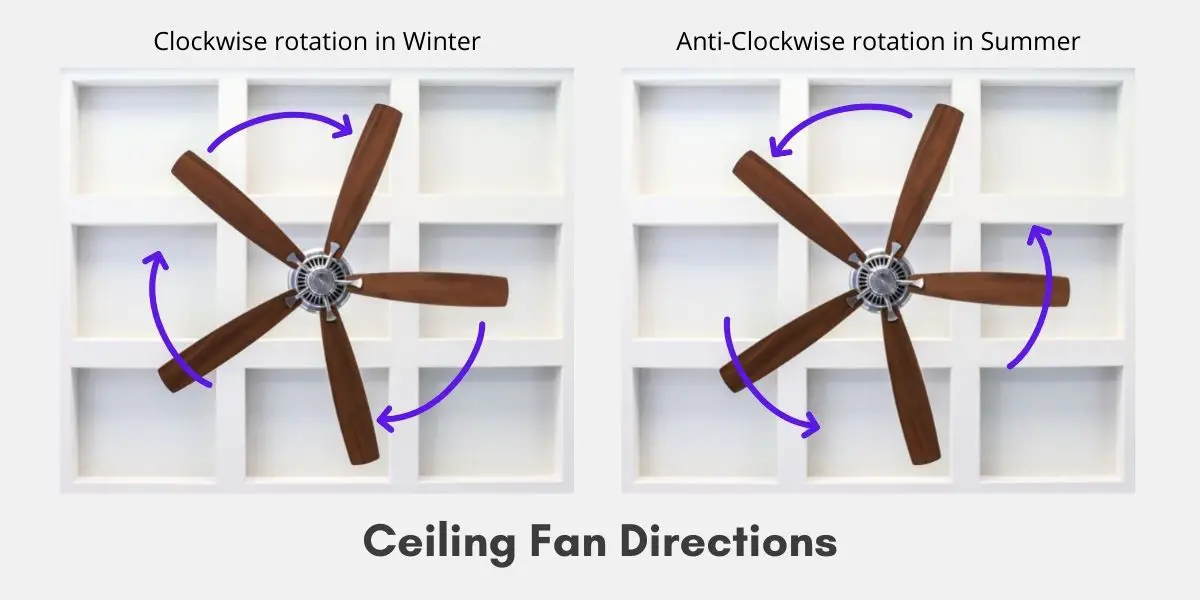
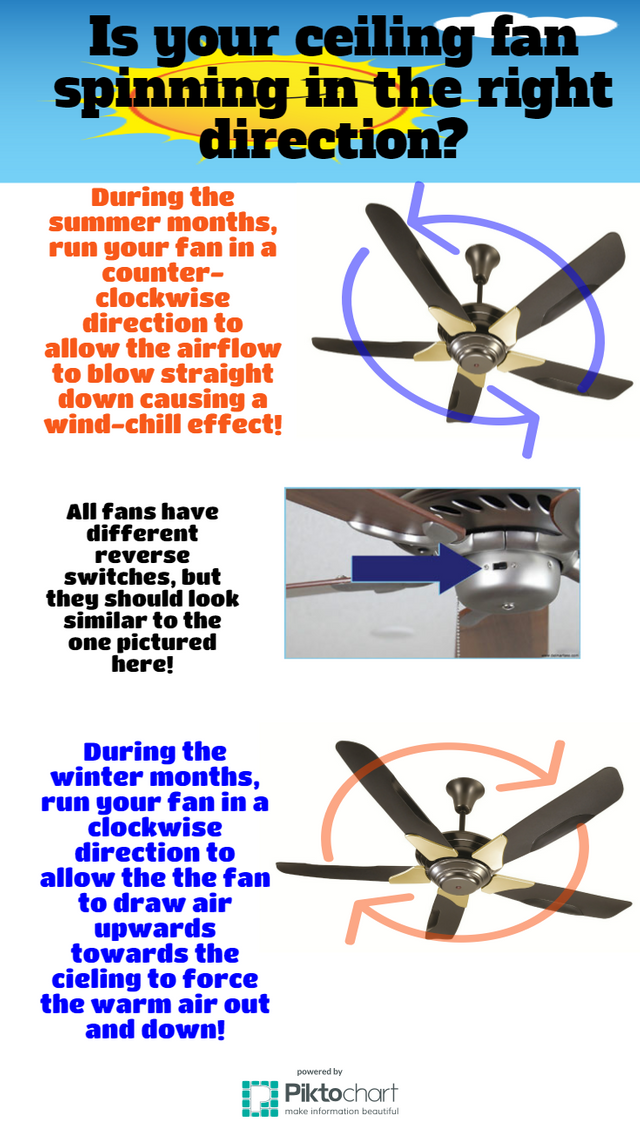
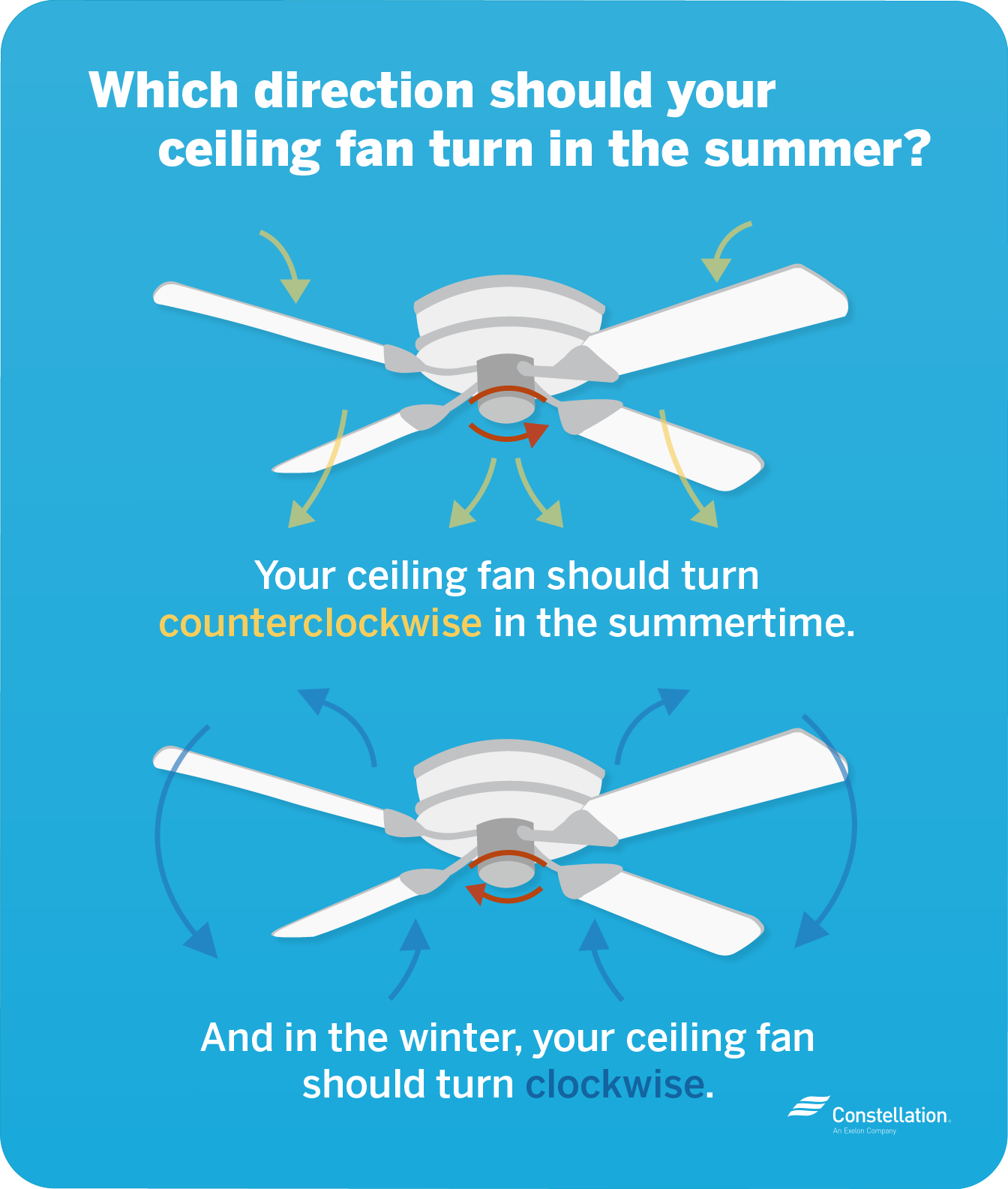
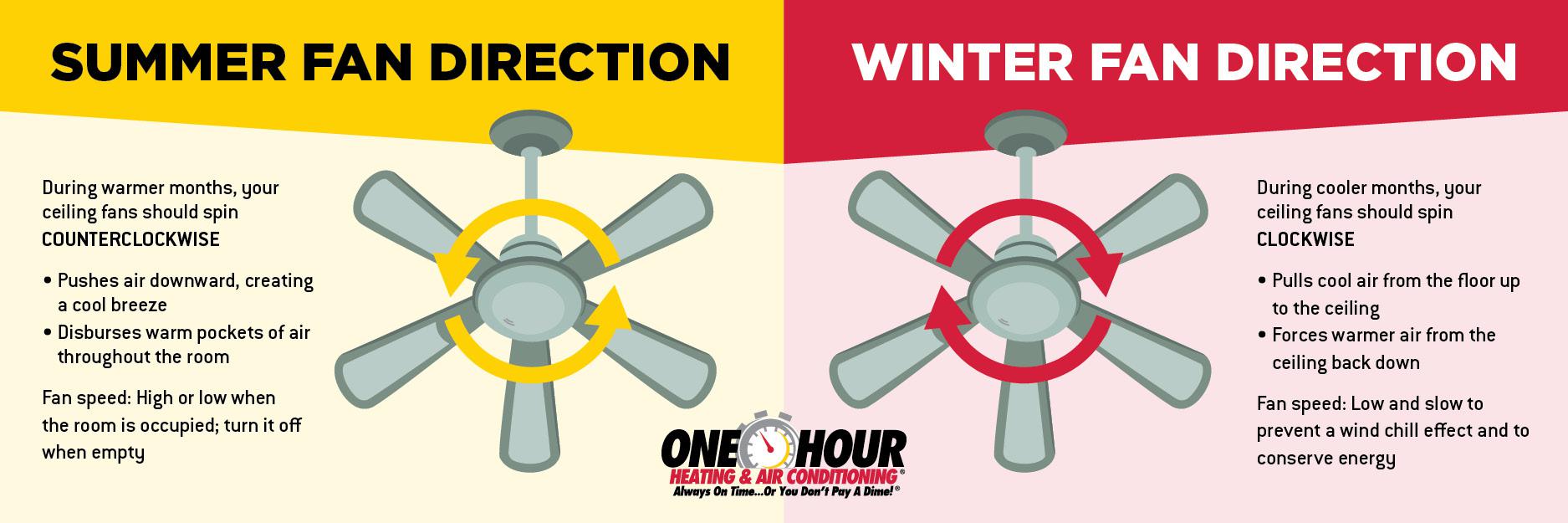
Let's dive into some examples. The most common scenario where fan direction really matters is with ceiling fans. In the summer, you want a downward breeze to create a wind-chill effect, making you feel cooler. To achieve this, the blades should be rotating counter-clockwise when viewed from below. This pushes air straight down. In winter, however, you want to redistribute warm air that rises to the ceiling. For this, your fan should spin clockwise, drawing cool air up and pushing warm air down along the walls. This creates an upward circulation, helping to destratify the air and make the room feel warmer without needing to crank up the heater. For smaller fans like desk or box fans, the purpose is usually straightforward: they blow air in one direction, creating a focused breeze to cool a specific area or to help ventilate by pushing air out of a window.
Ready to get started and master your fans? Here are some simple, practical tips. First, for ceiling fans, look for a small switch on the body of the fan housing (often near the motor). This is usually a simple toggle that changes the direction of the blade rotation. Flip it when the fan is off, then turn it back on to see the difference! You can easily test the direction by standing directly under the fan. If you feel a distinct breeze, it's set for summer (counter-clockwise). If you don't feel much of a breeze, but sense air moving up and around the room, it's set for winter (clockwise). For floor or box fans, simply orient them to push air where you need it – either directly at you for cooling or towards an open window to help draw stale air out of a room. A simple tissue or ribbon held in front of the fan can also visibly show you which way the air is moving!
So there you have it! What seemed like a quirky question about fan direction turns out to be a really useful piece of knowledge. Understanding which way your fan turns isn't just about trivia; it's about making your home more comfortable, saving a little on energy, and perhaps even enjoying a small, satisfying moment of mastering your immediate environment. Happy spinning!
:max_bytes(150000):strip_icc()/ceiling-fan-rotate-direction-1907533-v4-5ba94e6346e0fb002576cebf.png)