
Ever found yourself staring at a whirring fan on a hot day, or even a chilly winter evening, and thought, "Wait a minute, which way is that actually spinning?" It might seem like a silly question, but it's a wonderfully common and surprisingly engaging one! This simple observation opens up a whole world of everyday physics and can make you look at the mundane objects around your home with fresh, curious eyes. It's not just about a fan; it's about paying attention to the details that make our world work, and that's pretty cool.
Understanding which way a fan spins, and more importantly, why it matters, offers benefits for everyone. For beginners and children, it's a fantastic introduction to basic science – teaching observation, cause and effect, and how simple machines manipulate air. Families can turn it into a fun mini-science project, prompting discussions about how air moves and how we keep our homes comfortable. Even hobbyists and DIY enthusiasts can gain from this knowledge, especially when optimizing home climate control. Knowing which way your ceiling fan should spin in summer versus winter can lead to significant energy savings and a much more comfortable living space.
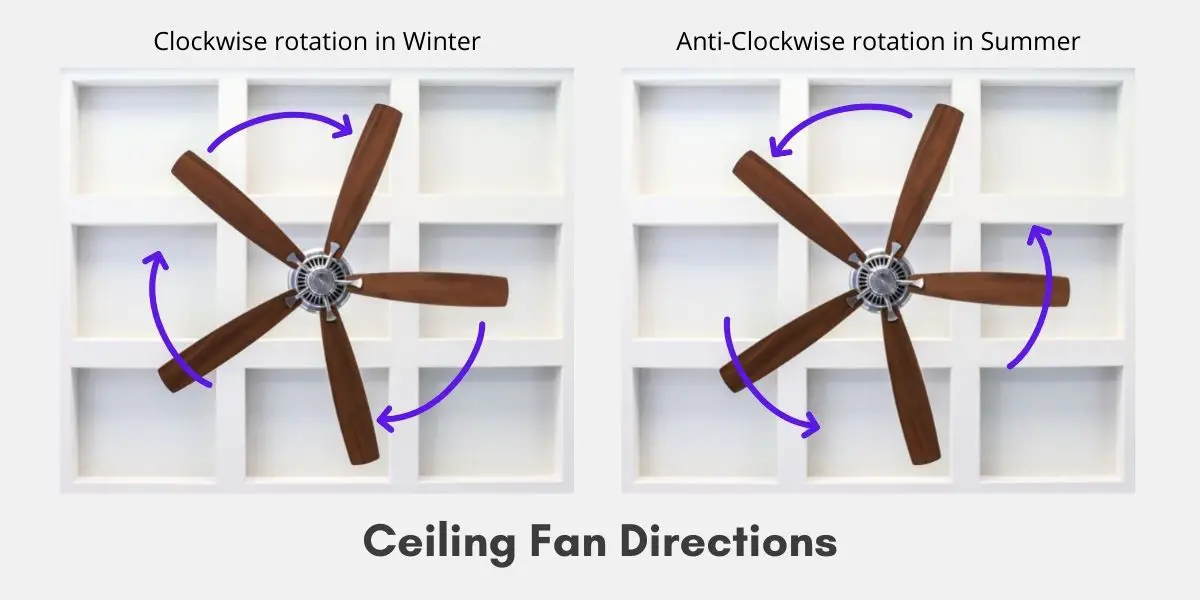
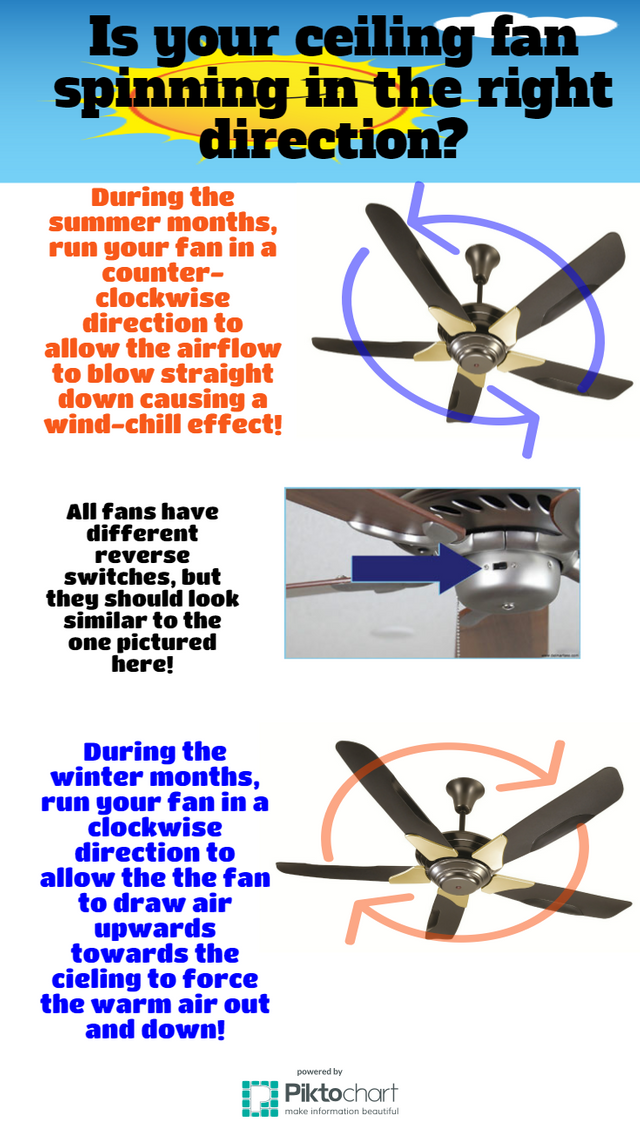
The beauty of fans is their variety! A standard box fan typically spins in one direction, pulling air from behind and pushing it forward. This creates a direct breeze, perfect for personal cooling or ventilating a stuffy room. Ceiling fans are where things get really interesting. Most have a switch on the motor housing that allows you to reverse their direction. In the summer, you want the blades to spin counter-clockwise (when looking up at it), pushing air down to create a cooling wind-chill effect. In winter, you reverse it to spin clockwise, gently drawing cool air up and pushing warm air (which rises) down along the walls. This recirculates warm air more effectively without creating a direct draft. Even smaller computer fans or bathroom exhaust fans demonstrate this principle, either pushing air onto components or pulling stale air out of a room.
So, how do you figure out which way your fan is spinning and what it’s doing? It’s easier than you think! First, simply observe the blades while the fan is on. For a ceiling fan, stand directly underneath and note the direction the leading edge of the blade is moving. To verify the airflow, hold a lightweight piece of tissue paper or a ribbon near the fan. If it’s a ceiling fan in summer mode, you’ll feel a strong breeze and see the paper flutter downwards. In winter mode, you’ll feel less of a direct breeze, but the paper might gently waft upwards or along the walls, indicating the air is being drawn up. For box or desk fans, simply feel the airflow with your hand – is it blowing towards you or pulling air away? Many ceiling fans also have a small switch on the main body; flipping this will change the direction of the spin. Don't be afraid to experiment!
There’s a quiet satisfaction in understanding the little mechanisms that make up our daily lives. From a simple fan to complex machinery, recognizing the direction of its spin isn't just a trivial observation; it's a stepping stone to appreciating the cleverness of engineering and the physics all around us. So go ahead, take a moment to really look at your fan. You might just find a new appreciation for the simple, effective ways we keep cool, or warm, and spark a little bit of scientific curiosity along the way!


:max_bytes(150000):strip_icc()/ceiling-fan-rotate-direction-1907533-v4-5ba94e6346e0fb002576cebf.png)