

Ah, the mighty ceiling fan! It hangs above us, a silent sentinel of comfort, yet often shrouded in a veil of mystery. Does it spin *this* way, or *that* way? Is it helping, or just dramatically swirling dust around like a tiny, airborne villain?
Fear not, fellow seeker of blissful air! Today, we’re cracking the code, demystifying the spin, and turning you into a certified fan-tastic airflow guru. Get ready to feel good and understand your fan like never before!
Summer Bliss: The Downward Dive
Imagine this: the sun is blazing, your ice cream is melting, and you’re just trying to survive the great indoors. This is when your fan needs to become your personal hero, a veritable wind-god showering you with a glorious, cooling breeze.
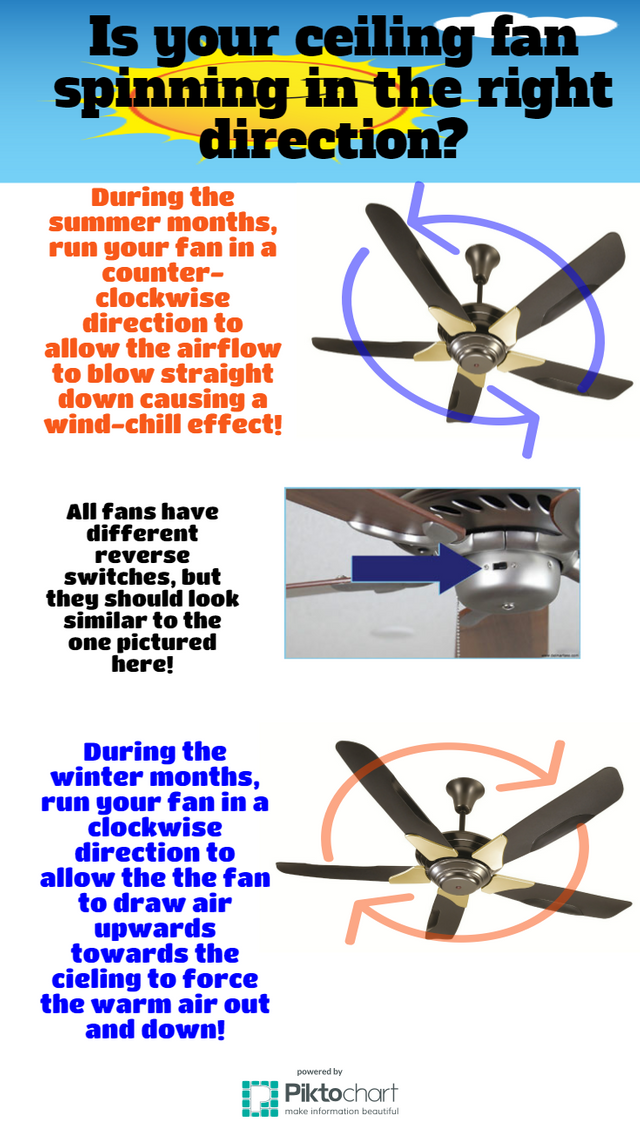
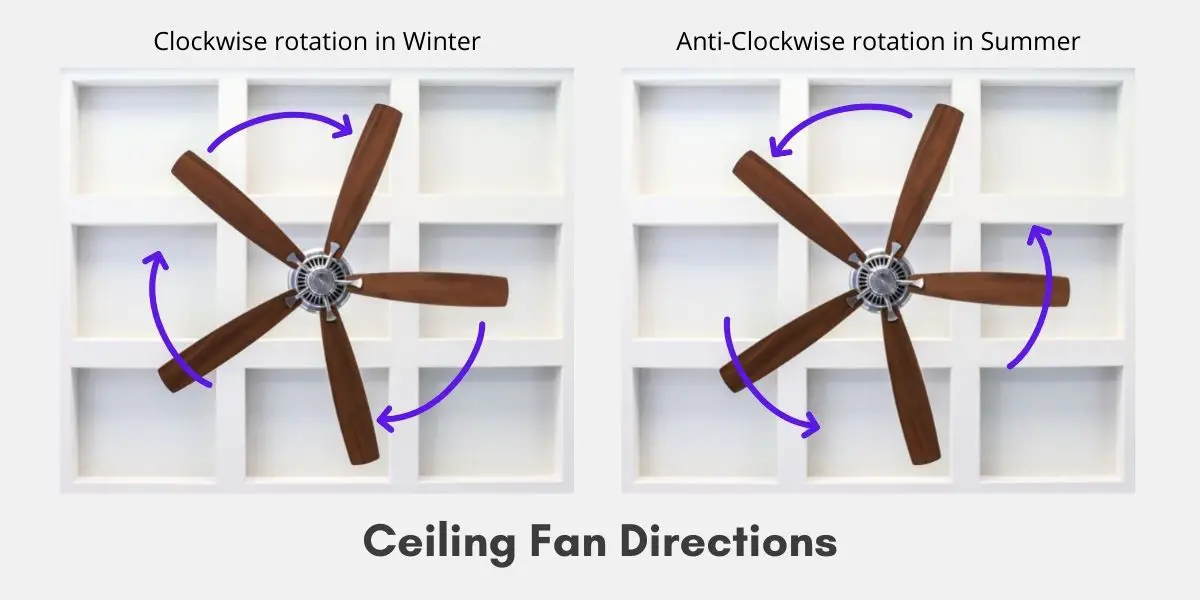
For summer, you want your fan blades to spin counter-clockwise. Picture the blades moving so that the leading edge (the one facing the direction of rotation) is higher than the trailing edge. This motion pushes air straight down, right onto you!
In summer, your fan should spin counter-clockwise, creating a delightful downward breeze. It’s like a tiny personal tornado of relief, but in a good way!
When your fan is in its summer groove, you’ll feel a distinct, invigorating current of air directly beneath it. It’s not just moving the air; it’s making you feel genuinely cooler by accelerating the evaporation of moisture from your skin. Think of it as your own personal arctic blast, right in your living room.
The Superhero Cape Test
Want to be absolutely sure your fan is on Team Summer? Stand directly under it. Do you feel a strong, noticeable whoosh of air? If a tissue held below it flies straight down, you’ve hit the jackpot!
This powerful downdraft can make you feel up to eight degrees cooler without even touching your thermostat. That’s not just comfort; that’s smart savings, making your home a sanctuary from the heat without breaking the bank. It's like having a mini-vacation in your own chair!
Winter Warmth: The Upward Ascent
Now, let’s talk cozy. When the days get shorter, and the chill starts to creep in, your fan transforms from a cooling champion into a circulation wizard. In winter, a direct draft would be the absolute worst – nobody wants a cold breeze when they're trying to get toasty!
For winter, you want your fan blades to spin clockwise. This means the leading edge of the blade is now lower than the trailing edge. The fan pulls the cooler air up towards the ceiling, which then gently pushes the warmer air—which naturally rises—down along the walls and back into your living space.
In winter, your fan should spin clockwise, gently pulling cool air up and redistributing warmth throughout the room. It’s a subtle dance of comfort!
The beauty of the winter spin is its subtlety. You won’t feel a direct breeze beneath the fan; in fact, if you do, it’s probably still in summer mode! Instead, you’ll experience an overall feeling of warmth and comfort throughout the room, like a gentle, invisible hand pushing coziness your way.
The Gentle Whisper Test
How do you confirm your fan is working its winter magic? Stand under it. If you feel little to no direct airflow, but instead notice a general, ambient warmth circulating, then your fan is doing its job beautifully. A tissue held below it might flutter upwards, or just gently sway.
This clever trick helps recapture that precious heat that always seems to float away towards the ceiling. By redistributing it, your fan can make you feel warmer, potentially allowing you to lower your thermostat a few degrees. It’s like giving your heating system a little helper, making your home feel like a big, warm hug.
Decoding the Mystery Switch
“Okay, I get it!” you might be thinking, “But how on earth do I change the direction?” Ah, the sacred switch! For many, this is the most elusive part of the fan experience, often hidden in plain sight.
Most ceiling fans have a small, discreet switch located on the motor housing itself. It’s usually a little black or brass toggle, a tiny button, or a slider. You might need a step stool and a good flashlight to find it, especially if your fan is high up or has ornate detailing. Think of it as a little treasure hunt!
Before you embark on your quest, remember this crucial mantra: Safety First! Always turn off the fan (and ideally the light switch to it) before reaching up to flip that magical lever. We want you to be comfortable, not clumsy!
Once you locate it, simply push or slide the switch to the opposite position. Then, turn your fan back on and perform your "superhero cape test" or "gentle whisper test" to confirm its new spin direction. You might even hear a little click of satisfaction.
Your Fan, Your Power!
Congratulations, you are now officially a master of atmospheric control! No longer will you suffer through a chilly breeze in winter or a stagnant sauna in summer. You hold the power to dictate your comfort, all with a simple flip of a switch.
Don’t forget to give your fan blades a quick wipe-down while you’re up there – dust bunnies swirling around are not part of the dream scenario! A clean fan is a happy, efficient fan.
So go forth, adjust your fans with confidence, and revel in the perfectly optimized comfort of your home. Your fan isn't just a decoration; it's a vital, energy-saving tool when used correctly. Enjoy your perfectly tuned climate, all year round!
:max_bytes(150000):strip_icc()/ceiling-fan-rotate-direction-1907533-v4-5ba94e6346e0fb002576cebf.png)
