Ever wondered what keeps electricity from going completely bonkers? What stops it from becoming a wild, untamed surge? It's all about resistance! But how do we actually *measure* this invisible force?
Think of electricity flowing like water. Resistance is like a narrow pipe, slowing down the flow.
The Mighty Ohmmeter: Resistance Ruler
There's a handy gadget specifically designed for this task: the ohmmeter. Pretty cool name, right?
An ohmmeter is like a detective, sniffing out how much opposition the electrical current faces.
It measures resistance in, you guessed it, ohms! Named after Georg Ohm, a brilliant scientist. This little meter is a game-changer when trying to understand electrical circuits.
How Does This Magic Box Work?
An ohmmeter works by sending a tiny electrical current through the component being tested. Then, it measures the voltage drop across that component.
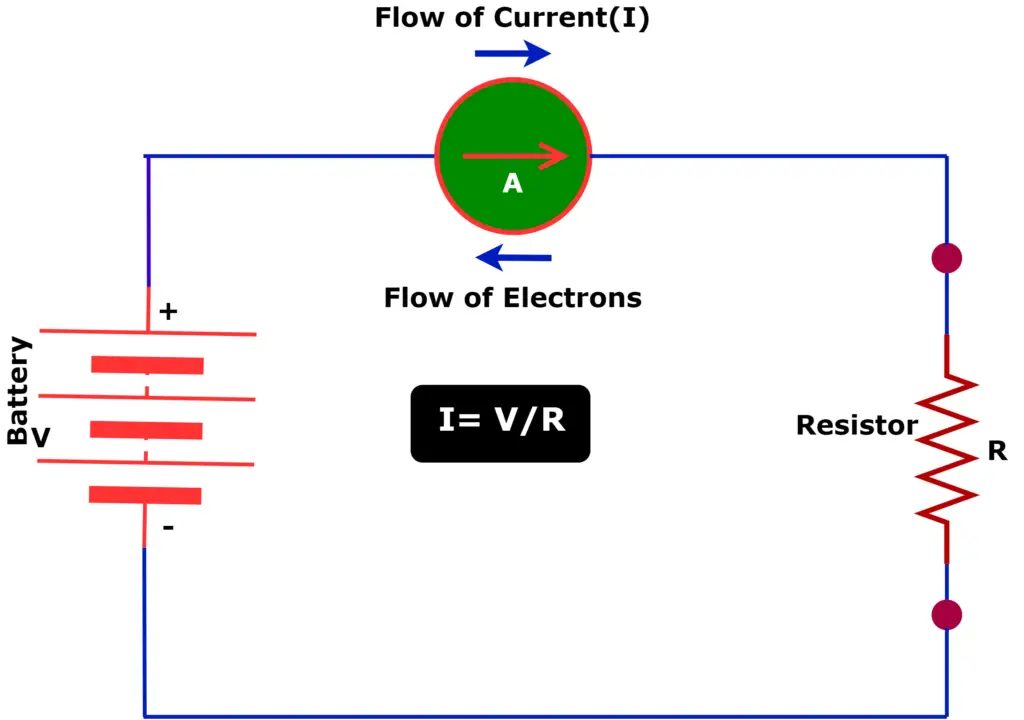
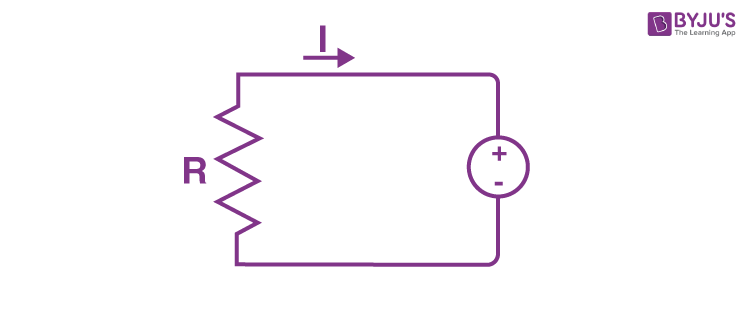
Using Ohm's Law (Voltage = Current x Resistance), it calculates the resistance.
Don't worry, you don't need to memorize the formula! The ohmmeter does all the math for you.
Why Is Measuring Resistance Important?
Knowing the resistance is super useful! It's like knowing the size of the pipe in our water analogy.
It helps us diagnose problems in electrical circuits and make sure everything is working as it should. Imagine trying to fix a broken lamp without knowing if the filament is intact!
From checking light bulbs to troubleshooting complex electronics, the ohmmeter is a must-have tool. It helps prevent overheating, short circuits, and other electrical gremlins.
Other Tools in the Electrical Toolbox
While the ohmmeter is the star for measuring resistance, let's not forget its friends in the electrical toolbox.
There's the ammeter, which measures current (the flow of electricity). Think of it as measuring the speed of the water.
And the voltmeter, which measures voltage (electrical potential difference). This is like measuring the water pressure.
Multimeters: The All-in-One Gadget
Feeling overwhelmed by all these meters? No problem!
Enter the multimeter, a superhero device that combines the functions of an ohmmeter, ammeter, and voltmeter into one handy tool. It's like a Swiss Army knife for electrical work!
With a multimeter, you can measure resistance, current, and voltage all with the same device. Talk about convenience!
Why Ohmmeters Are So Fascinating
Let's face it: electricity can seem mysterious. But the ohmmeter makes it a little less intimidating.
It allows us to "see" something invisible and understand how electrical circuits work.
It's like having a superpower to detect hidden problems. Discovering issues before they cause bigger problems is pretty awesome, right?
Everyday Examples of Resistance in Action
Resistance isn't just some abstract concept. It's all around us!
Think about a light bulb. The filament has a specific resistance that causes it to heat up and glow when electricity flows through it.
Or a heater. The heating element has a high resistance to generate heat. Without resistance, those things wouldn't work! It also stops the current from overloading the system.
Safety First! Important Tips
Working with electricity can be dangerous if you're not careful.
Always disconnect power before measuring resistance in a circuit. Otherwise, you could damage the ohmmeter or get a nasty shock.
Make sure you know what you're doing before you start poking around with electrical circuits. If in doubt, consult a qualified electrician. Electrical safety is no joke!
More Than Just Numbers: Understanding What You're Measuring
The ohmmeter spits out a number, but what does that number actually *mean*?
A low resistance means that electricity can flow easily. Think of a wide pipe with little obstruction.
A high resistance means that electricity is having a hard time getting through. That's like a very narrow, clogged pipe.
Resistance in Different Materials
Different materials offer different levels of resistance to electrical current.
Conductors, like copper and aluminum, have low resistance. That's why they're used in wires.
Insulators, like rubber and plastic, have high resistance. They are there to protect us from shocks!
Troubleshooting with an Ohmmeter
An ohmmeter is your best friend when it comes to troubleshooting electrical problems.
Checking for a broken wire? An ohmmeter can tell you if the circuit is complete (low resistance) or open (infinite resistance).
Testing a fuse? The ohmmeter can confirm if it's blown (infinite resistance) or still good (low resistance).
The Future of Resistance Measurement
Technology is always evolving, and so are ohmmeters!
Modern multimeters are more accurate, reliable, and user-friendly than ever before.
Some even have fancy features like auto-ranging and Bluetooth connectivity. Who knows what the future holds for this humble but powerful tool?
Get Curious!
Hopefully, this has shed some light on the wonderful world of resistance and ohmmeters.
It's not just a tool; it's a key to understanding how electricity works and a valuable asset for anyone interested in electronics.
So, grab an ohmmeter, explore some circuits (safely, of course!), and discover the power of resistance!
Ohm's Law - A Quick Recap
Let's quickly review Ohm's Law again. It's the fundamental principle behind how ohmmeters work.
The law states that Voltage (V) equals Current (I) multiplied by Resistance (R): V = I x R.
By knowing two of these values, we can always calculate the third. The ohmmeter uses this relationship to determine resistance.
Experimenting with Resistance: A Simple Project
Want to get hands-on with resistance? Try this simple project.
Connect different resistors in series and parallel and measure the total resistance with an ohmmeter.
See how the total resistance changes depending on how the resistors are connected. It's a fun way to learn about series and parallel circuits!
The Art of Measuring Resistance
Measuring resistance isn't just about getting a number. It's about understanding what that number means in the context of the circuit.
It's about diagnosing problems, finding solutions, and ensuring that everything is working safely and efficiently.
It's an art form that combines knowledge, skill, and a little bit of electrical intuition.
Resistance is Everywhere: Final Thoughts
From the smallest microchip to the largest power grid, resistance is an essential part of our electrical world.
It's what allows us to control electricity, harness its power, and use it to make our lives easier.
So, the next time you flip a switch or plug in a device, remember the mighty ohmmeter and the crucial role it plays in measuring this fundamental property.