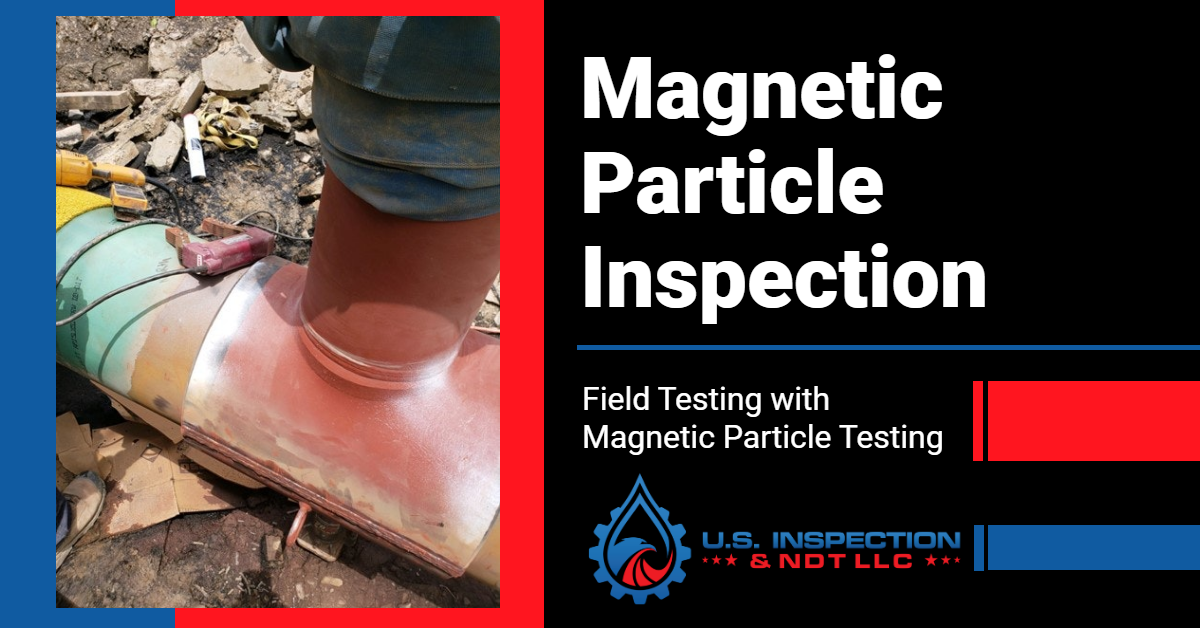
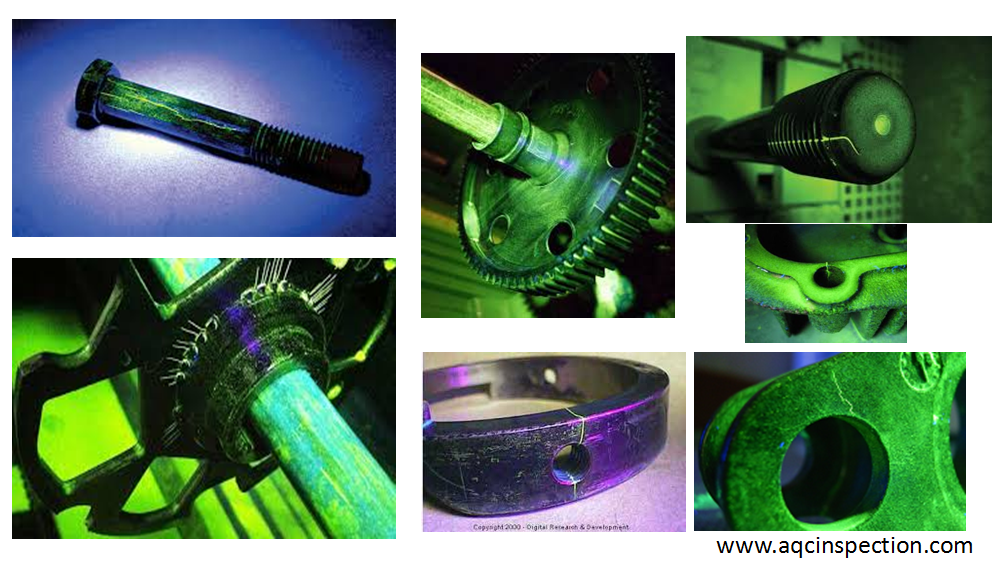
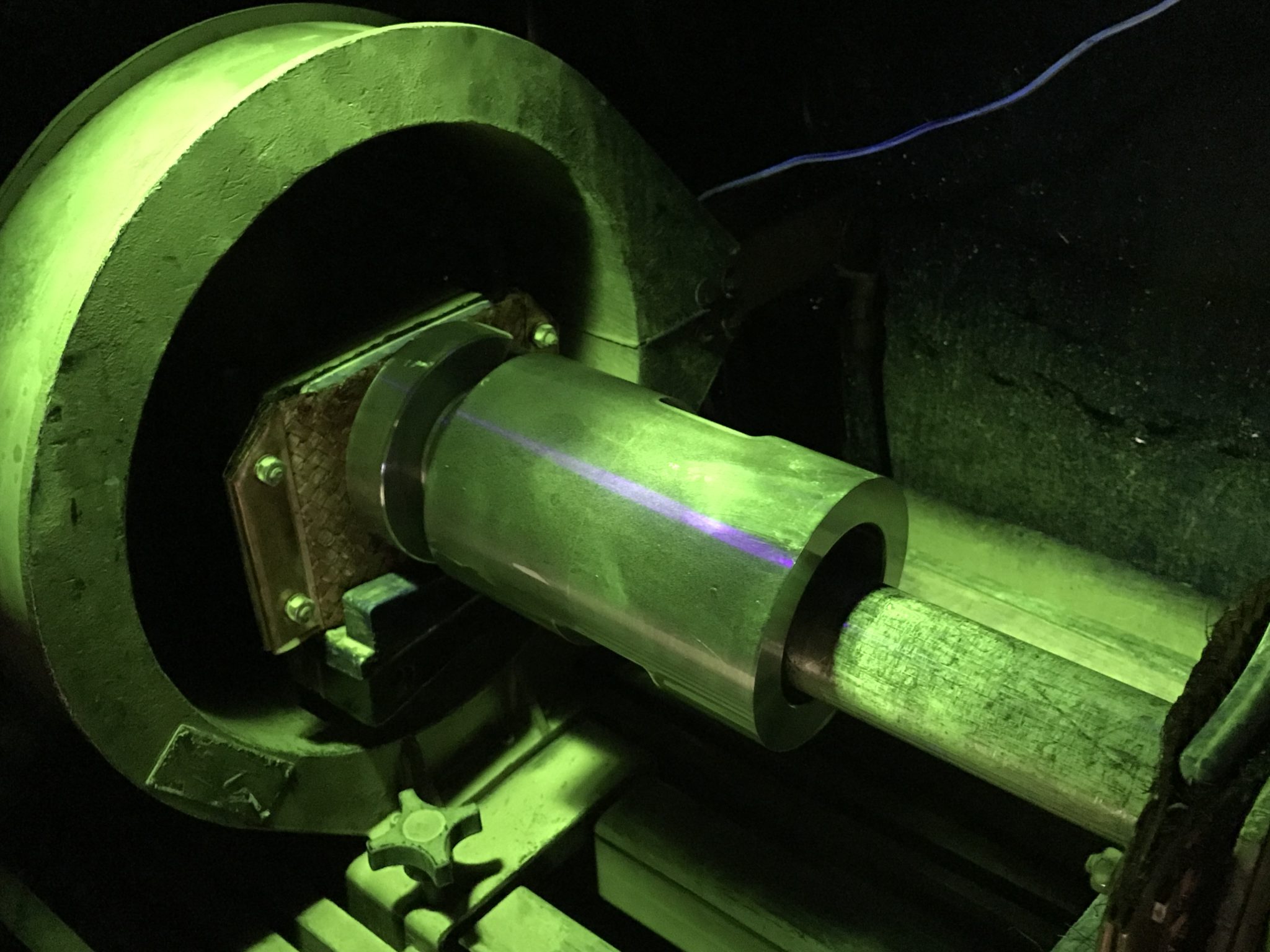
Ever noticed how a magician can seemingly see through objects? Well, in a way, Magnetic Particle Inspection (MPI) is like having a similar superpower, but for metal! It's a widely used, and surprisingly fascinating, method for detecting surface and near-surface imperfections in ferromagnetic materials. While its primary role is in industry, ensuring the safety and integrity of everything from bridges to airplane parts, it also holds a unique, almost artistic, appeal for hobbyists and those curious about the hidden world around them.
So, which of the following is true of Magnetic Particle Inspection? The answer is: It reveals hidden cracks and flaws in metal! But the beauty of MPI extends beyond simple fault detection. For artists and hobbyists, it offers a chance to experiment with magnetism and visualization. Imagine creating abstract art by deliberately inducing flaws in metal and then revealing them with MPI. Or perhaps using the technique to authenticate antique tools, revealing repair work done centuries ago.
The benefits are plentiful. For aspiring metalworkers, MPI provides invaluable feedback on the quality of their welds or castings. It's a powerful learning tool, allowing them to immediately see the results of their efforts and adjust their techniques accordingly. For collectors of vintage machinery, MPI can unveil hidden damage that isn't visible to the naked eye, helping them to make informed decisions about restoration and preservation. And for anyone interested in science and technology, MPI offers a tangible demonstration of the principles of magnetism and non-destructive testing.
Examples of MPI applications are diverse. Think of inspecting the crankshaft of a classic car, revealing stress fractures that could lead to failure. Or examining the welds on a wrought iron gate, uncovering weaknesses before they become safety hazards. Artists could explore creating intricate patterns on metal surfaces, using controlled flaws and MPI to bring these hidden designs to life. You could even use it to analyze the structure of meteorites!
While professional MPI requires specialized equipment, basic principles can be explored at home with relatively simple tools. A strong magnet (like a neodymium magnet), iron filings, and a method for applying a magnetic field are the essentials. You can even use a battery and some wire to create a temporary electromagnet! Sprinkle the iron filings onto the magnetized surface. Any cracks or flaws will disrupt the magnetic field, causing the filings to cluster around them, making the imperfections visible. Remember to always take safety precautions when working with electricity and magnets.
Important tips for trying it at home: ensure the surface is clean and free of debris. Use a fine grade of iron filings for best results. And most importantly, have fun experimenting!
The real joy of MPI lies in its ability to unveil the unseen. It's a blend of science, art, and detective work. It provides a unique perspective on the materials we use every day, revealing the hidden complexities within. So, dive in, explore the magnetic world, and uncover the secrets that lie beneath the surface!